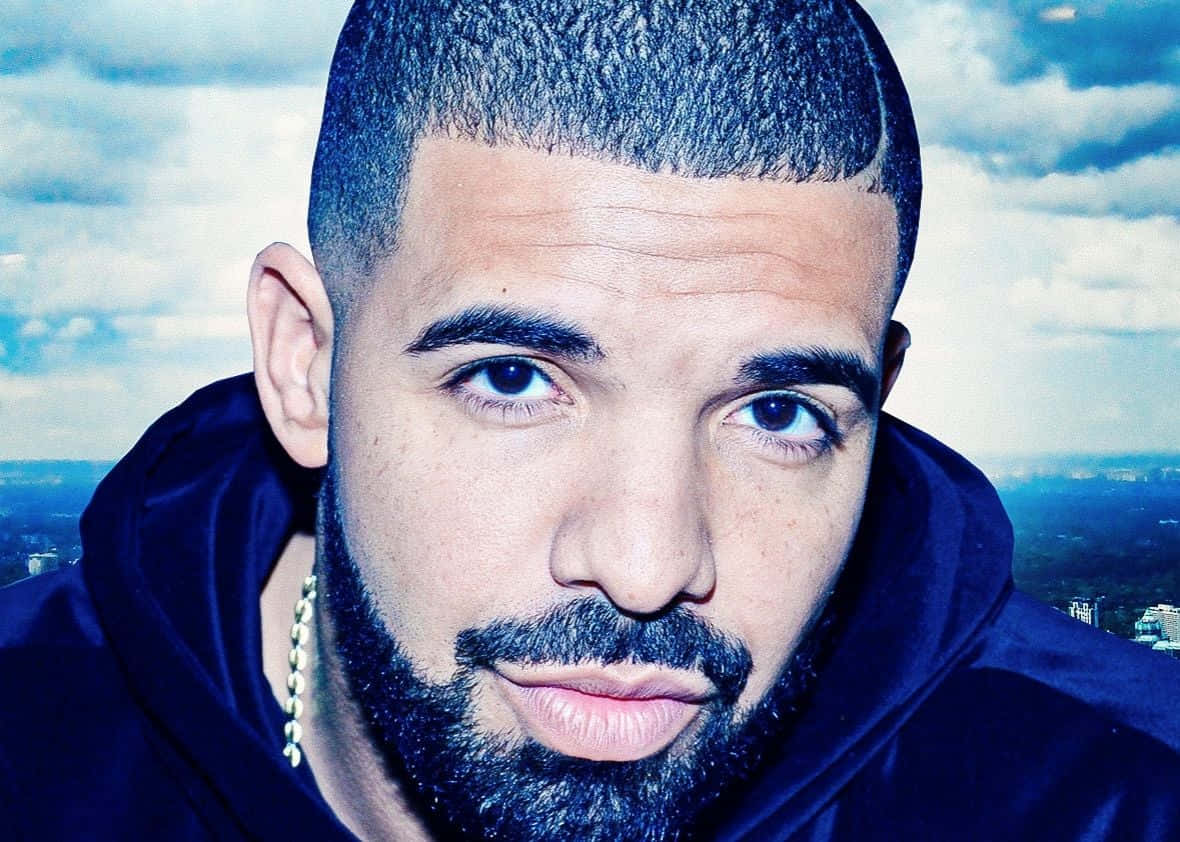
Commercial longevity in modern entertainment requires more than selling records or streaming tracks. For over a decade, Aubrey "Drake" Graham has systematically built a sprawling portfolio across digital media, fashion, lifestyle goods, and high-growth competitive gaming. While pop culture commentary often hyper-focuses on rap beefs and tabloid drama, his financial footprint in the tech and esports sectors reveals a calculated masterclass in modern brand stewardship.
Long before competitive gaming became a default marketing playground for mainstream musicians, Drake understood that traditional music royalties alone couldn't guarantee permanent wealth insulation. By positioning himself as an early-stage investor and cultural validator in the digital landscape, he turned casual consumer loyalty into structural equity. Let's break down how his corporate maneuvers, lifestyle brands, and strategic digital partnerships redefined what it means for an artist to control their commercial destiny.
Early Moves Into Competitive Gaming and Esports
The intersection of hip-hop and competitive gaming shifted dramatically in October 2018 when Drake, alongside music manager Scooter Braun, made a high-profile multi-million dollar investment into 100 Thieves, a premier lifestyle brand and esports organization founded by former Call of Duty professional Matthew "Nadeshot" Haag.
This partnership wasn't a passive celebrity endorsement deal where a famous face appears on a promotional poster for a quick paycheck. Drake took an active co-owner stake, helping inject capital that valuation metrics pegged as a major catalyst for the organization's explosive growth. At the time, esports organizations were struggling to bridge the gap between niche competitive gaming communities and high-fashion streetwear culture.
By tying his personal brand directly to 100 Thieves, Drake achieved three core strategic objectives:
- Cultural Legitimacy: He validated competitive gaming as a core pillar of modern youth culture, signaling to his millions of fans that esports deserved the same cultural respect as traditional sports leagues like the NBA or Premier League.
- Apparel Monetization: 100 Thieves operated as much as a luxury apparel drop-line as it did a gaming team. Drake's expertise in limited-run merchandise synergy helped transform gaming jerseys into coveted streetwear pieces that sold out within minutes.
- Demographic Capture: He secured direct access to Gen Z and millennial digital natives who spend significantly more time consuming interactive streaming content on Twitch and YouTube than traditional linear television.
The Streaming Ecosystem and Live Engagement Strategy
Beyond direct ownership stakes, brand dominance in the modern era requires total command of the live streaming ecosystem. When Drake famously hopped onto a Twitch stream playing Fortnite alongside streamer Tyler "Ninja" Blevins in early 2018, it shattered concurrent viewership records and triggered a massive cultural inflection point for mainstream celebrity crossover into gaming.
That single streaming appearance did more for his direct-to-consumer digital equity than traditional press junkets ever could. It proved that he could bypass traditional media gatekeepers entirely and speak directly to digital audiences in real time.
Why Interactive Media Trumps Traditional Press
Traditional music promotion relies on radio syndication and scheduled television appearances. Drake flipped this model by treating interactive platforms as his primary distribution channels. Instead of doing a standard magazine interview to discuss a new album release, he leveraged digital ecosystems where his target audience already spent their leisure time. This direct engagement loop creates an illusion of intimacy and accessibility while retaining absolute control over the narrative and visual presentation of his brand.
Diversification Beyond Gaming: Fashion and Lifestyle Ventures
An elite brand cannot survive on gaming alone. Drake's commercial ecosystem relies on a web of interconnected lifestyle ventures designed to capture consumer spend across multiple verticals.
- OVO (October's Very Own): What started as a lifestyle blog and clothing line evolved into a globally recognized luxury streetwear label with flagship retail locations in major cities like Toronto, New York, London, and Los Angeles.
- NOCTA: A long-term collaborative sub-label with Nike, NOCTA merges elite sportswear functionality with subcultural aesthetic design. This partnership ensures that his brand identity is permanently stitched into the fabric of global athletic giants.
- Spike MacPhee and Media Ventures: Investments in boutique production houses, whiskey brands (Virginia Black), and high-end real estate anchor his portfolio in tangible assets that insulate him against digital volatility.
Common Mistakes in Celebrity Brand Building
Many mainstream figures attempt to replicate this level of multi-industry dominance and fail. Analyzing these missteps clarifies why Drake's playbook has proven resilient.
- Treating Partnerships as Check-Casher Deals: Celebrities often sign hollow endorsement deals where they don't own equity. When the brand fades, the celebrity gets nothing. Drake consistently prioritizes ownership and co-founding stakes over simple appearance fees.
- Ignoring Authentic Alignment: Consumers instantly reject forced sponsorships. Entering the esports ecosystem worked because gaming culture and hip-hop culture share deep digital roots; it didn't feel like an out-of-touch corporate boardroom decision.
- Failing to Control Distribution: Relying solely on third-party distribution channels leaves creators vulnerable to shifting platform algorithms and corporate policy changes. Owning distinct physical and digital storefronts creates a permanent moat around revenue.
Frequently Asked Questions
Does Drake still own a stake in 100 Thieves?
Yes, his initial investment and co-ownership stake in 100 Thieves established a long-standing footprint in the esports and lifestyle merchandise sector, helping pave the way for other celebrity-backed gaming investments.
How does Drake's brand strategy differ from traditional musicians?
While traditional artists focus primarily on music sales and touring revenue, Drake operates much like a venture capitalist and lifestyle conglomerate, diversifying his income across fashion collaborations with Nike, esports ownership, and direct-to-consumer apparel lines like OVO.
Why is gaming a core focus for modern music artists?
Gaming communities represent the most highly engaged, digitally native demographic on earth. Platforms like Twitch, YouTube Gaming, and competitive esports leagues offer direct access to millions of daily active users who spend significant money on digital goods, apparel, and lifestyle products.
What is the long-term goal of the OVO brand ecosystem?
The overarching objective is self-sustainability and cultural independence. By owning the manufacturing, retail, and design pipelines for his merchandise and lifestyle products, he retains complete creative control and maximizes profit margins without relying on traditional corporate music labels.


