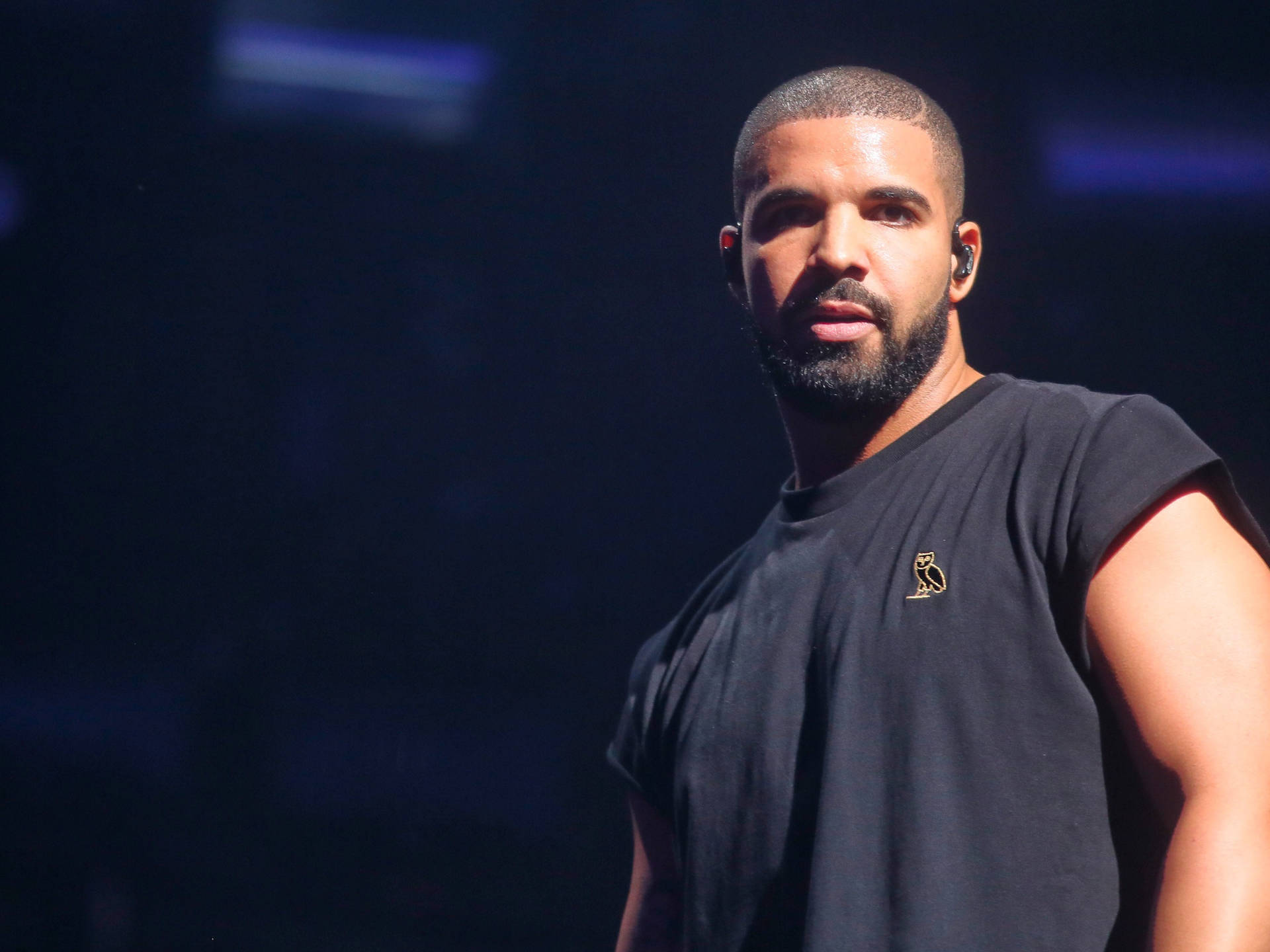
Commercial rap cycles change fast, but few shifts command as much immediate industry analysis as the structural movements surrounding Drake's major rollouts. When major artists alter how they distribute music, market analysts, independent creators, and streaming platforms scramble to adjust. Understanding these strategic plays requires looking past surface-level chart data to examine how modern distribution ecosystems operate under high-stakes visibility.
Deconstructing the Drake Movement
At its core, the strategic momentum generated by Aubrey Drake Graham centers on hyper-saturation, multi-platform storytelling, and psychological anticipation. Rather than relying on traditional three-month promotional cycles with predictable single rollouts, modern high-level hip-hop campaigns increasingly utilize sudden drops, cross-genre collaborations, and immersive physical activations.
This movement relies on turning an album release into a temporary cultural environment rather than a passive listening experience. Fans don't just consume audio files; they participate in decoding cryptic social media breadcrumbs, tracking sudden visual short films, and navigating coordinated real-world spectacles.
- Attention Engineering: Generating intense curiosity through deliberate information gaps before an official release date.
- Ecosystem Saturation: Releasing high-volume tracklists that occupy multiple genre playlists simultaneously on streaming services.
- Interactive Fandom: Fostering online theorycrafting and viral community dialogue that outpaces traditional PR.
Economic Aftershocks in the Streaming Era
The market impact of these large-scale rollout tactics reverberates directly across digital service providers and independent labels. When an artist commands dozens of chart positions in a single week, it fundamentally shifts how streaming algorithms handle recommendation queues and algorithmic real estate.
Traditional Rollout: Single -> EP -> Album (3 to 6 Months)
Modern High-Impact Play: Cryptic Teasers -> Massive Multi-Project Drop -> Global Playlist Domination
Platform economics reward continuous user retention. By packing tracklists with varied sonic styles—spanning rap, R&B, and global dance rhythms—artists capture diverse listening segments under one master banner. This minimizes listener churn and maximizes total playback hours during the critical first week of release.
Algorithm Manipulation vs. Natural Demand
Critics often label high-volume album drops as aggressive catalog flooding designed strictly to game streaming algorithms. However, market data indicates that sustained consumer appetite remains the primary variable. If the audience isn't actively looping the content, platform recommendation filters naturally depress long-term visibility. The financial reality of modern distribution dictates that only artists with massive baseline engagement can sustain profitability through high-volume drops without tanking per-stream averages.
Shifting Power Dynamics Between Artists and Gatekeepers
Traditional music gatekeepers—including terrestrial radio program directors, physical retail buyers, and traditional print critics—wield far less influence over contemporary hip-hop success than they did two decades ago. Direct-to-consumer digital channels allow major acts to bypass conventional media tours entirely.
- Direct Broadcast: Utilizing proprietary video channels and social feeds to announce projects removes the editorial filter of third-party publications.
- Algorithmic Autonomy: Fan bases conditioned to check streaming apps at midnight replace morning radio syndication as the primary launchpad.
- Legal and Cultural Control: Recent industry friction demonstrates that top-tier artists increasingly rely on direct legal frameworks and social media control to shape their public narrative, bypassing traditional media intermediaries.
Common Misconceptions About High-Volume Releases
Casual observers frequently misinterpret the mechanics behind modern blockbuster rap rollouts. Clearing up these misconceptions helps explain why independent up-and-comers cannot simply replicate these strategies without capital.
First, flooding a digital storefront does not guarantee commercial success for lesser-known acts. Without a deeply entrenched global audience willing to invest hours into a new body of work, massive tracklists simply result in low completion rates, which signals disinterest to platform algorithms.
Second, these movements aren't accidental bursts of creativity. Every teaser, visual installation, and unannounced drop is scheduled around fiscal quarters, touring calendars, and merchandising windows.
Frequently Asked Questions
What defines a major hip-hop market movement?
It refers to a coordinated shift in how music is marketed, distributed, and consumed, often initiated by top-tier acts who possess the leverage to rewrite standard industry release calendars.
How do massive tracklists affect streaming revenue?
Larger tracklists increase the total volume of potential touchpoints for listeners, driving up aggregate stream counts and securing placement across multiple genre-specific editorial playlists.
Why do artists move away from traditional single rollouts?
Traditional rollouts leave too much room for momentum to stall. Sudden, high-impact drops capitalize on the modern attention economy by forcing immediate, concentrated cultural engagement.
Can independent artists use these same strategies?
While independent creators can utilize sudden drops and cryptic social media teasers, the sheer scale of physical activations and multi-genre playlist domination typically requires substantial financial backing and an established global fan base.



