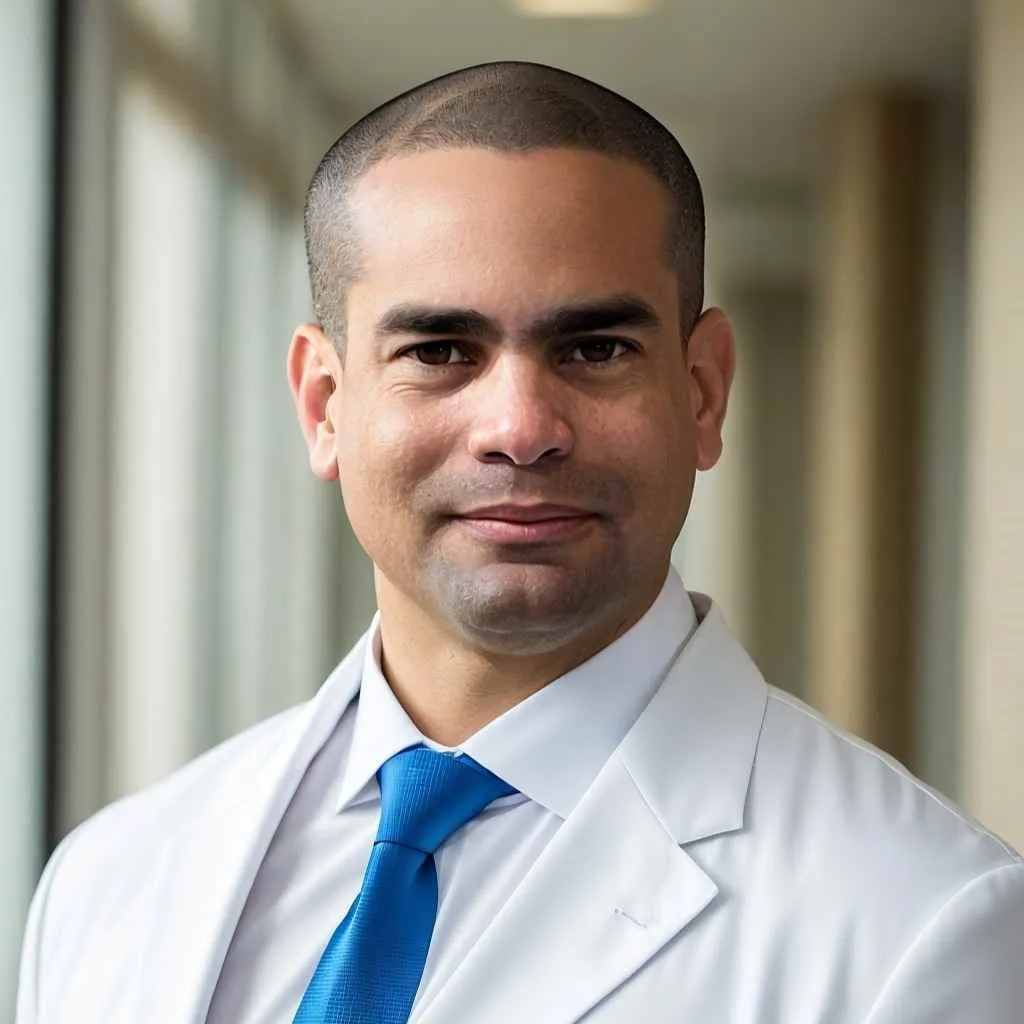
When television cameras roll inside a busy rural animal clinic, the focus usually lands on high-stakes bovine emergencies or dramatic canine surgeries. Behind the scenes, however, the heartbeat of daily practice often relies on a steady, quieter kind of dedication. For decades, veterinary professional Dr Elizabeth Pol has shaped how rural animal medicine is practiced, blending clinical precision with deep empathy for both livestock and household pets.
While her husband, Dr. Jan-Harm Pol, became a household name through the long-running television series The Incredible Dr. Pol on Nat Geo Wild, Elizabeth has remained a foundational pillar of their practice in Michigan. Understanding her career, her philosophy of care, and her impact on rural veterinary medicine offers a clear window into what it takes to sustain a lifetime of service in animal health.
The Early Roots of a Veterinary Life
Long before managing a high-volume rural clinic, Elizabeth grew up surrounded by animals, developing an instinctive understanding of animal behavior and welfare. This early exposure wasn't just about affection; it taught her the rhythms of farm life, the fragility of livestock, and the heavy responsibilities carried by animal owners.
When she entered the veterinary field in the 1970s, the profession looked very different than it does today. Diagnostic technology was primitive compared to modern digital X-rays and point-of-care blood analyzers. Practitioners relied heavily on physical exams, auscultation, and hands-on observation.
This grounding shaped a clinical style that prioritizes sensory awareness and patient comfort. If an animal is trembling on an examination table, rushing straight into an invasive procedure escalates stress and complicates treatment. Elizabeth's approach focuses on slowing down enough to read the subtle behavioral cues that tell an experienced practitioner where pain or fear resides.
Inside the Rural Veterinary Clinic
Operating a mixed-animal practice in a rural community means treating everything from a day-old calf with scours to an aging domestic cat with feline hyperthyroidism. The American Veterinary Medical Association notes that rural practitioners face unique logistical challenges, including vast service radii, unpredictable emergency hours, and limited immediate access to specialist referral centers.
At their clinic in Michigan, the daily routine is rarely predictable. A typical morning might start with routine canine and feline vaccinations, shift mid-day to emergency bovine obstetrics, and finish with complex soft-tissue surgeries.
Navigating this variety requires sharp organizational discipline. You have to switch mental gears instantly between small animal medicine—where client communication and gentle handling are paramount—and large animal medicine, where physical safety and herd economics dictate the treatment path.
Core Pillars of Elizabeth Pol's Approach
- Patient-First Comfort: Minimizing physical stress through calm handling and thoughtful positioning during examinations.
- Clear Client Education: Translating complex diagnoses into straightforward terms so owners can make informed decisions about care and treatment costs.
- Pragmatic Rural Solutions: Balancing optimal medical standards with the practical realities and budgets of working farms and families.
- Collaborative Teamwork: Working seamlessly alongside veterinary technicians and family members to manage high caseloads without sacrificing attention to detail.
The Evolution of Rural Veterinary Practice
Veterinary medicine has transformed significantly over the last forty years. When Elizabeth started her career, pharmaceuticals were less targeted, diagnostic turnaround times took days, and surgical monitoring equipment was basic.
Today, modern clinics utilize advanced ultrasound technology, precise inhalant anesthetics, and instant blood chemistry panels. Yet, technological upgrades haven't replaced the core need for human empathy. In fact, as clinics become more high-tech, clients often feel more anxious about the sterile environment.
Veterinary professionals who bridge the gap—those who pair modern diagnostic capability with old-school bedside manner—build the most resilient client trust. When an owner faces a terminal diagnosis for a beloved pet or a valuable livestock animal, they don't just want test results; they want a clinician who understands what that animal means to their family or livelihood.
Common Misconceptions About Reality vs. Television
Reality television has done wonders for public awareness of veterinary medicine, but it also creates specific misconceptions. Viewers often see dramatic, miraculous recoveries packed into a neat forty-two-minute episode, omitting the long hours of post-operative monitoring, difficult financial conversations with clients, and emotional burnout.
In a real clinic, success is measured in steady, unglamorous metrics: clean surgical margins, proper pain management protocols, well-healed fractures, and educated owners who know how to manage chronic conditions at home. Behind every memorable TV moment lies decades of routine preventive care, endless sanitation protocols, and difficult management decisions.
Elizabeth's career underscores the reality that veterinary medicine is an endurance sport. It demands physical stamina, emotional resilience, and an unwavering commitment to animal welfare, even when the hours stretch late into the night.
Frequently Asked Questions
What is Dr. Elizabeth Pol's educational and professional background?
Elizabeth met Dr. Jan Pol while he was studying veterinary medicine, and the two built their lives and practice together. She has spent decades working hands-on in the veterinary field, managing clinical operations, assisting in surgeries, and caring for both large and small animals.
Is Dr. Elizabeth Pol still practicing veterinary medicine?
Yes, she remains active in supporting animal care and operations at their clinic, though the day-to-day workload has evolved alongside their growing family and the demands of their television visibility.
How does rural veterinary care differ from urban veterinary care?
Rural practice typically involves a mixed-animal caseload—treating livestock, horses, and pets—often across large geographic areas with limited immediate access to 24-hour emergency referral hospitals. Urban practices tend to specialize strictly in small companion animals with advanced specialty facilities nearby.
What lessons can aspiring veterinarians learn from Elizabeth Pol's career?
Aspiring practitioners can learn the value of patience, adaptability, and clear communication. Technical skill is only part of the equation; long-term success in veterinary medicine requires earning the trust of both the animal patient and the human owner.



