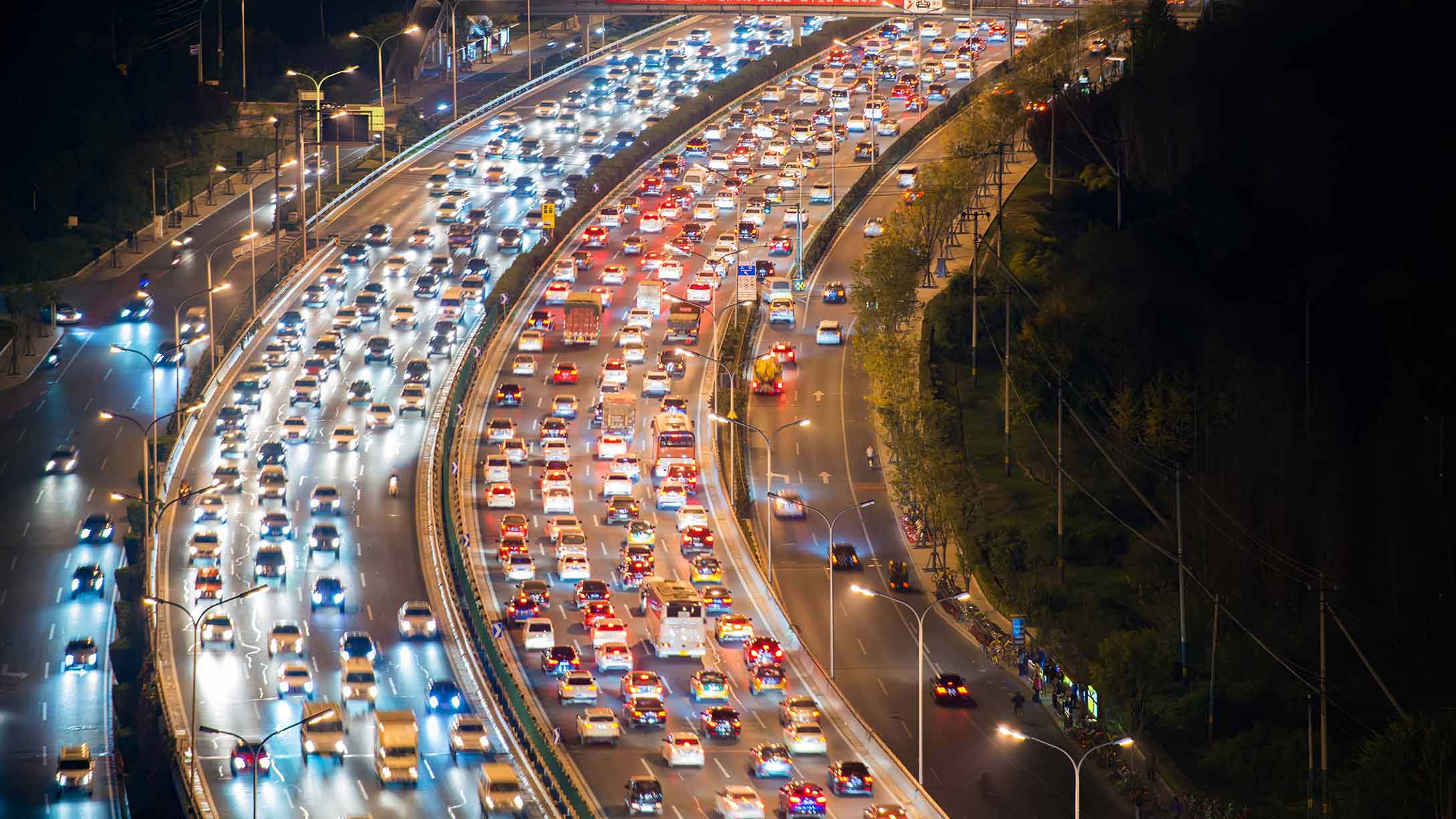
Navigating downtown Seattle requires understanding shifting urban layouts, ongoing infrastructure projects, and peak congestion bottlenecks. Whether you're commuting across the I-5 corridor or trying to move through core arterials like Denny Way, driving demands real-time strategy and local awareness. Modern traffic patterns are shaped by a mix of high commuter volumes, public transit expansion, and continuous right-of-way updates managed by the Seattle Department of Transportation.
To beat the gridlock, drivers must look beyond standard GPS routes. Successful navigation means understanding regional choke points, leveraging express lanes, and timing trips around major transit shifts. This guide breaks down how traffic patterns operate in downtown Seattle, where the primary delays occur, and how to adapt your commute for maximum efficiency.
Understanding Core Seattle Traffic Patterns
Urban mobility through downtown Seattle shifts dramatically between morning and evening rush hours. According to regional transit data, average congestion levels hover near 45 percent, with peak afternoon delays spiking significantly during rainy days or major events.
The primary corridors handling the heaviest volumes include Interstate 5, State Route 99, and surface streets like Stewart Street and Mercer Street. Bottlenecks frequently form where freeway off-ramps dump high volumes of vehicles directly onto tight grid street networks. When arterial backups cascade, downtown surface transit and personal vehicles crawl at speeds dropping below 15 miles per hour.
The Role of Express Lanes
The I-5 express lanes serve as a critical tool for managing daily directional flow. Operating on a dynamic schedule that shifts between northbound and southbound directions, these lanes help bypass standard mainline congestion during peak periods.
- Morning Commute: Typically configured southbound from 5:00 a.m. to 11:00 a.m. to funnel incoming workers into the core.
- Evening Commute: Switched to northbound starting at 11:15 a.m. to clear outbound traffic.
- Weekend Adjustments: Schedules shift to accommodate midday leisure travel and sports events, though unexpected maintenance can alter standard closures.
Checking the Washington State Department of Transportation WSDOT updates before heading out prevents unexpected detours, as entering these lanes at the wrong time leads to forced exits or long delays.
Navigating Construction and Infrastructure Changes
Downtown Seattle is in a perpetual state of physical evolution. Infrastructure upgrades, transit lane installations, and utility work continually alter how drivers interact with city streets.
Projects like the Route 8 corridor updates introduce dedicated bus-only lanes on crucial connectors like Denny Way. While these additions improve overall person-throughput by speeding up public transit, they frequently reduce general-purpose vehicle lanes. Drivers must watch for sudden lane shifts, newly restricted turns, and priority signaling meant to give buses a head start.
How to Track Active Work Zones
Relying entirely on static navigation apps can lead drivers straight into unmapped construction zones. To stay ahead of shifting right-of-way layouts, monitor local municipal resources directly:
- Consult the Seattle Department of Transportation Project and Construction Coordination Map to view active right-of-way restrictions.
- Factor in extra travel time if your route crosses major development hubs, particularly around South Lake Union and the central waterfront.
- Obey temporary signage immediately; enforcement and lane configurations change overnight as crews complete phased milestones.
Smart Strategies for Commuters
Driving alone into the heart of the city during peak hours is rarely the fastest choice. Shifting habits or combining modes of transportation drastically cuts down commute times.
Many regional workers utilize park-and-ride facilities on the outskirts, transitioning to high-capacity light rail or commuter buses for the final leg through downtown. This hybrid approach bypasses the most intense freeway bottlenecks entirely. For those who must drive, targeting off-peak windows—such as arriving before 7:00 a.m. or after 9:30 a.m.—avoids the worst of the morning crush.
Common Commuter Mistakes to Avoid
Drivers new to the area often fall into predictable traps that exacerbate downtown gridlock:
- Ignoring Bus-Only Lanes: Driving or stopping in designated transit lanes invites steep fines and blocks high-capacity vehicles carrying dozens of passengers.
- Over-Relying on Fixed Routes: Sticking to a single highway route without checking live traffic indices guarantees getting stuck behind stalled incidents.
- Underestimating Event Traffic: Major Mariners, Seahawks, or Sounders games create sudden gridlock waves across Pioneer Square and SoDo that disrupt normal rush hour timelines.
Frequently Asked Questions
What are the absolute worst times to drive through downtown Seattle?
Weekday rush hours between 7:30 a.m. and 9:30 a.m. in the morning, and from 4:00 p.m. to 6:30 p.m. in the evening, experience the heaviest congestion. Fridays tend to see earlier afternoon surges as weekend travel begins.
How do I know if the I-5 express lanes are running my direction?
You can verify real-time direction status via overhead electronic signs, local traffic radio updates, or the official WSDOT portal before merging onto the interstate.
Are there free parking options near downtown for commuters?
Free parking is virtually nonexistent in the urban core. Most drivers opt for paid commercial garages or utilize outlying transit station parking lots, which often require a nominal fee or transit card validation.
How are transit priority lanes changing surface street driving?
Cities are increasingly converting general traffic lanes into bus-only corridors to speed up public transit. This means fewer lanes for personal automobiles, requiring drivers to stay alert to turning restrictions and avoid marked red or painted transit lanes.


