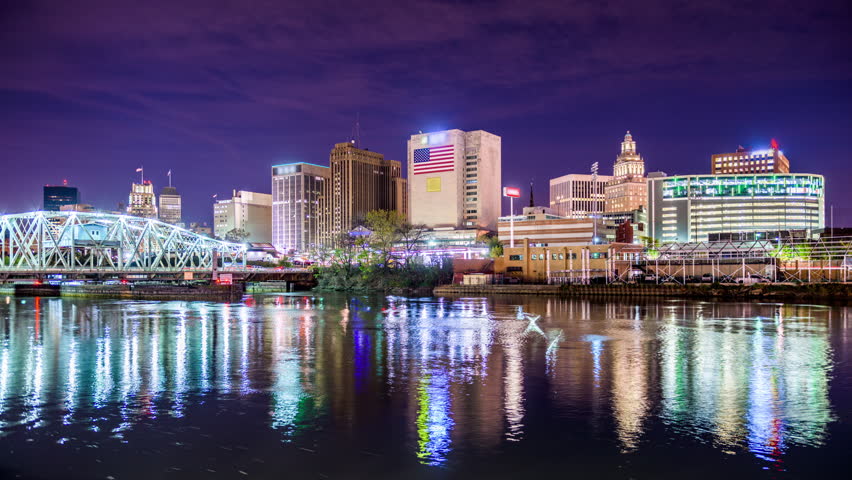
Revitalizing historic urban centers requires more than a fresh coat of paint on main street storefronts. Modern municipal leaders face shifting retail habits, vacant commercial spaces, and changing transportation demands that require strategic planning rather than surface-level fixes. Successful renewal initiatives combine private investment, historic preservation, and adaptive zoning to bring residents back into city cores.
Transforming a stagnant commercial district demands a clear understanding of financial mechanisms, zoning flexibilities, and community engagement. Cities that successfully revive their central business districts typically rely on targeted public-private partnerships, historic tax credits, and infrastructure updates that prioritize pedestrians over automobiles.
Understanding the Core Drivers of Urban Decline
Before planning a turnaround, municipal agencies must diagnose why commercial activity left the core. Common factors include suburban retail migration, outdated building codes that prevent modern businesses from opening, and a lack of residential density downtown.
- Outdated Infrastructure: Aging water lines, poor electrical capacity, and narrow sidewalks discourage modern retail tenants.
- Rigid Zoning Laws: Single-use zoning prevents mixed-use developments that blend apartments with ground-floor retail.
- Parking Deficits: Real or perceived parking shortages keep visitors from exploring core shopping districts.
Without addressing these structural issues, cosmetic upgrades yield temporary results. Real progress starts when city planners inventory vacant properties and identify adaptive reuse opportunities.
Funding Models and Public-Private Partnerships
Revitalizing urban cores requires substantial capital that municipal budgets alone rarely cover. Successful projects leverage a mix of federal grants, private equity, and state tax incentives.
Historic tax credits play a major role in rehabilitating century-old commercial blocks. For example, the comprehensive restoration of historic structures relies heavily on pairing private developer funding with federal preservation incentives. Non-profit development groups often step in to purchase abandoned or neglected properties, stabilizing the real estate before selling or leasing them to local entrepreneurs.
Municipalities also use specialized financing districts, such as tax increment financing (TIF), to fund public improvements like streetscaping, lighting, and pedestrian plazas. These improvements increase surrounding property values, which in turn generates revenue to pay off the initial infrastructure bonds.
Implementing Mixed-Use Zoning and Housing Density
A downtown area cannot survive on daytime office workers and daytime retail alone. Bringing residents into the immediate core creates a 24-hour economy that sustains restaurants, entertainment venues, and grocery stores.
City councils often update master plans to permit upper-floor residential conversions. Transforming vacant office buildings or empty manufacturing spaces into apartments introduces affordable and market-rate housing directly above commercial storefronts.
- Inventory Vacant Upper Stories: Assess fire safety compliance, structural load limits, and egress requirements for multi-story buildings.
- Streamline Permitting: Reduce bureaucratic friction for developers willing to convert commercial real estate into residential units.
- Encourage Diverse Tenancy: Balance national chains with unique local restaurants, craft beverage makers, and boutique retail stores.
Enhancing Public Spaces and Pedestrian Access
People gravitate toward walkable, attractive environments. Upgrading streetscapes with wide sidewalks, native trees, public art, and outdoor seating transforms an intimidating asphalt corridor into a welcoming gathering space.
Planners frequently introduce pedestrian-friendly features like mid-block paseos, protected bike lanes, and pocket parks. These features encourage visitors to park once and explore multiple businesses on foot rather than driving from strip mall to strip mall.
Common Pitfalls in Urban Redevelopment
Municipalities attempting downtown revivals often stumble into predictable traps that stall momentum or alienate long-term residents.
- Ignoring Existing Small Businesses: Focusing entirely on outside developers while pricing out legacy merchants damages community trust and local character.
- Neglecting Maintenance Plans: Installing expensive street furniture or public art without allocating funds for ongoing upkeep leads to rapid deterioration.
- Overestimating Parking Demand: Paving historic footprints for surface parking lots destroys the architectural density that makes downtown areas appealing in the first place.
Frequently Asked Questions
How long do downtown revitalization projects typically take?
Most comprehensive urban renewal initiatives take anywhere from five to fifteen years from initial planning to full economic stabilization. Initial policy changes and zoning updates happen within the first year, while major construction and residential conversions unfold gradually.
What is adaptive reuse in urban planning?
Adaptive reuse involves taking existing historic or industrial buildings—such as old textile mills, arcades, or warehouses—and modernizing their interiors for new residential or commercial uses while preserving their architectural exterior.
How do cities fund these projects without raising local taxes?
Cities utilize state grants, federal economic development funds, private venture capital, historic preservation tax credits, and tax increment financing districts that capture future tax revenue growth resulting from the improvements.
Why is residential housing critical for a successful downtown?
Adding residents directly to the commercial core ensures consistent foot traffic outside of standard business hours, supporting evening dining, weekend retail, and local service providers.



