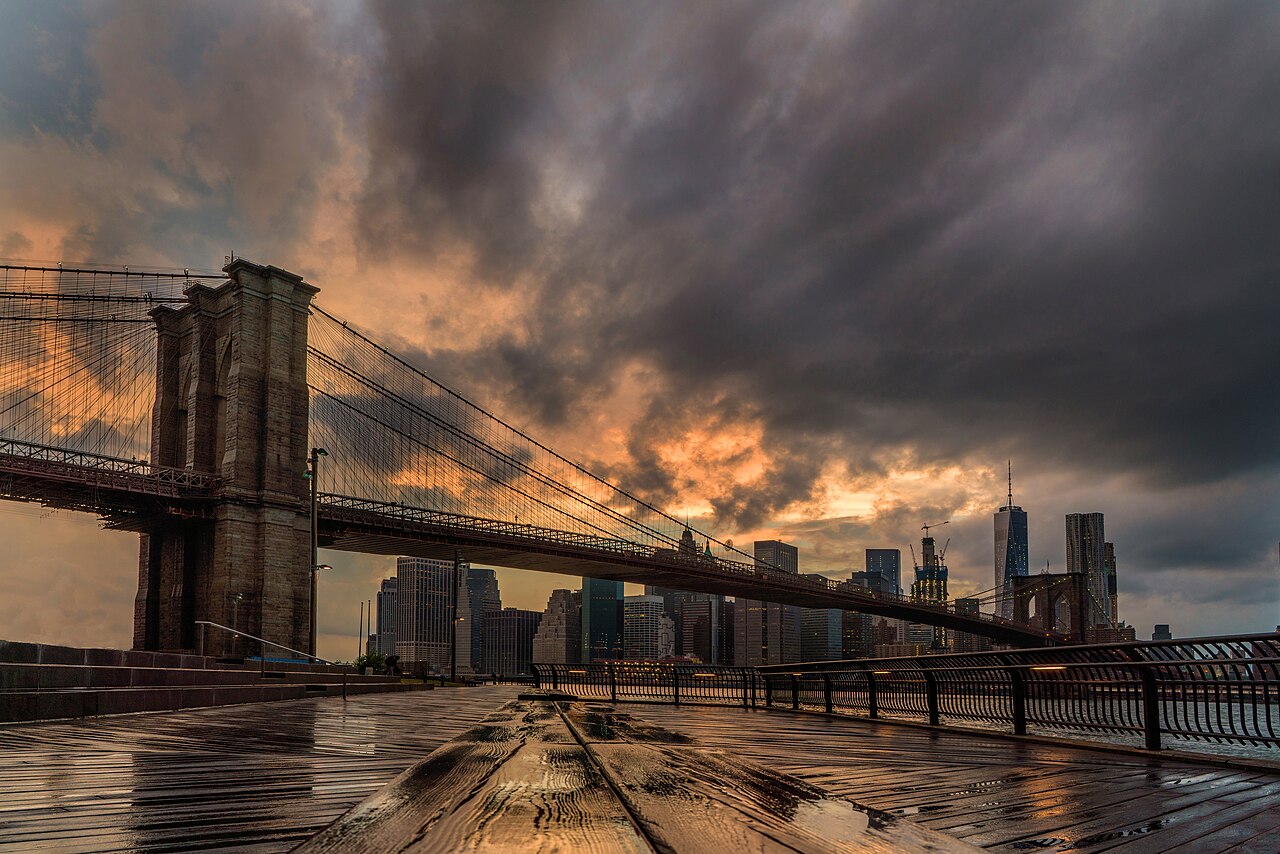
Downtown Brooklyn zip codes cover a dense, rapidly transforming urban core where historic civic centers meet high-rise residential towers and waterfront enclaves. The primary postal zones spanning this territory include 11201, 11217, and 11231, each representing distinct commercial corridors, architectural styles, and residential dynamics. Whether you're relocating to the borough, mapping out a delivery logistics strategy, or analyzing local real estate markets, understanding these specific boundary lines cuts through the confusion of overlapping neighborhood names.
Navigating Brooklyn's core requires looking past borough-wide generalizations. Postal boundaries here group together distinct sub-neighborhoods like DUMBO, Boerum Hill, Cobble Hill, Carroll Gardens, and Red Hook. Each zone operates with its own housing inventory, commercial rhythm, and demographic footprint, making precise geographic knowledge essential.
Core Postal Zones of Downtown Brooklyn
The United States Postal Service assigns specific routing numbers that do more than just speed up mail delivery; they dictate hyper-local property markets and community identities.
11201: The Civic and Commercial Center
The 11201 postal code serves as the primary administrative and commercial nucleus of the borough. It stretches from the East River waterfront up through the Fulton Street retail strip and around Borough Hall.
- Key Neighborhoods: Downtown Brooklyn core, DUMBO, Vinegar Hill, Brooklyn Heights, and parts of Boerum Hill.
- Housing Inventory: A striking juxtaposition of historic brownstones in Brooklyn Heights alongside glass-and-steel luxury high-rises like Brooklyn Point and Toren.
- Commercial Profile: High foot traffic, heavy concentration of legal and financial offices, and major transit intersections like the Borough Hall and Jay Street-MetroTech subway stations.
Residential rents and property purchase prices here rank among the highest in the borough due to immediate Manhattan accessibility and premier waterfront views.
11217: The Brownstone and Cultural Corridor
Moving southeast from the immediate commercial core, 11217 captures a vibrant mix of historic architecture, independent retail, and major entertainment venues.
- Key Neighborhoods: Boerum Hill, Park Slope (northern sections), Prospect Heights, and Gowanus borders.
- Housing Inventory: Predominantly late 19th-century brownstones, low-rise brick apartment buildings, and converted industrial loft spaces.
- Commercial Profile: Independent bookstores, artisanal coffee shops, and destination spots centered around the Barclays Center and the BAM cultural district.
This zone attracts professionals, families, and long-term residents seeking a neighborhood feel with robust cultural amenities within walking distance.
11231: The Waterfront and Maritime Enclaves
The 11231 zip code shifts toward the southwestern waterfront, encompassing areas with deep maritime roots and tight-knit residential blocks.
- Key Neighborhoods: Carroll Gardens, Red Hook, and Columbia Street Waterfront District.
- Housing Inventory: Brownstone-lined streets in Carroll Gardens contrasted with low-density industrial warehouses, detached homes, and newer waterfront developments in Red Hook.
- Commercial Profile: Waterfront dining, artisanal food production, local maritime businesses, and unique retail hubs that feel isolated from the rest of the borough's grid.
Because Red Hook lacks direct subway service, 11231 maintains a distinct, independent community vibe that separates it from the bustling transit hubs of 11201.
Real Estate and Market Dynamics
Property values and rental markets across these three codes vary significantly based on transit access, historic preservation rules, and proximity to green spaces like Prospect Park.
- Price Per Square Foot: 11201 commands the highest price per square foot due to luxury new construction towers and immediate proximity to the Brooklyn Bridge.
- Rental Volatility: 11217 experiences rapid turnover driven by commuters seeking quick access to Atlantic Terminal's multiple subway lines and the Long Island Rail Road.
- Inventory Constraints: Historic districts within 11201 and 11231 face strict landmark preservation guidelines, limiting new large-scale developments and keeping existing housing stock scarce.
Common Mistakes When Navigating Brooklyn Zip Codes
Out-of-towners and newcomers frequently miscalculate neighborhood boundaries and logistics based on broad assumptions.
- Assuming uniform transit access: Assigning the same commute times across 11231 fails to account for Red Hook's distance from major subway lines, where residents rely heavily on buses, bikes, or the NYC Ferry.
- Confusing mailing addresses with neighborhood names: The USPS postal name doesn't always match the historic neighborhood moniker. Properties listed under a 11201 address might span across Brooklyn Heights, DUMBO, or Downtown Brooklyn proper, each carrying very different local vibes and school zoning rules.
- Ignoring micro-zoning restrictions: Commercial operators often secure retail space in 11217 or 11231 without checking local zoning overlays, which can restrict nightlife operations or heavy manufacturing uses in transitioning industrial pockets.
Frequently Asked Questions
Do Brooklyn zip codes determine public school assignments?
No. While school district zones overlap with postal boundaries, public school enrollment operates under Department of Education districts rather than USPS zip codes. Always verify specific school zones with the NYC Department of Education before purchasing or renting property.
Why does Red Hook feel so different from Downtown Brooklyn if they share a zip code edge?
Red Hook shares 11231 with Carroll Gardens, but physical barriers like the Brooklyn-Queens Expressway, the Hugh L. Carey Tunnel approach, and the absence of a heavy rail subway station isolate Red Hook, preserving its maritime, village-like character.
Which downtown zip code has the most new residential development?
The 11201 code has experienced the heaviest concentration of vertical high-rise development over the last decade, particularly along the borders of Downtown Brooklyn and the Tech Triangle.


