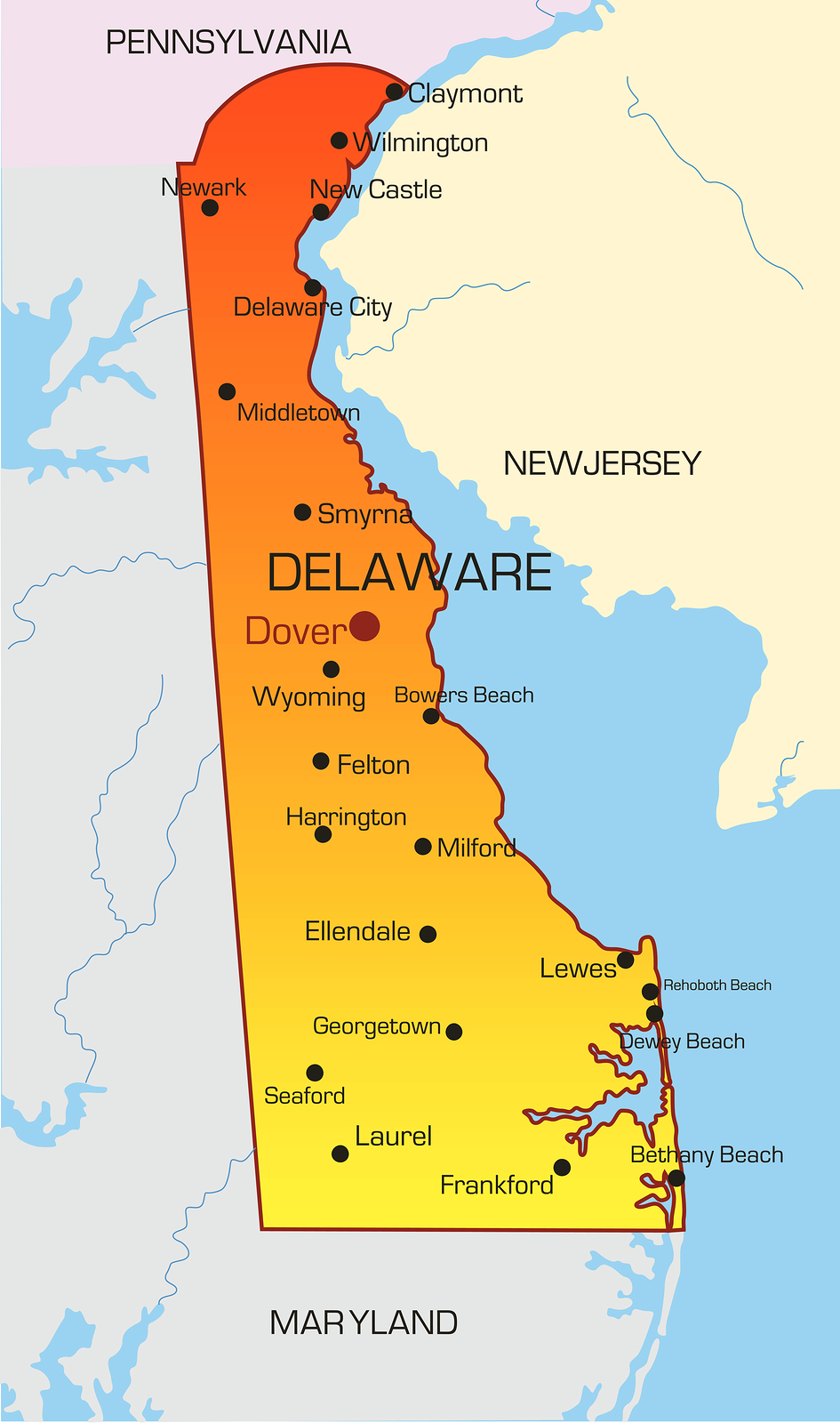
Dover balances strict historic preservation with a stable, government-anchored economy that avoids the frantic boom-and-bust cycles seen in larger Mid-Atlantic urban centers. As the seat of state power in Kent County, the municipality manages the rare challenge of keeping 18th-century colonial landmarks intact while supporting modern aerospace, healthcare, and higher education sectors.
Unlike northern commercial hubs driven by corporate law and banking, Dover relies on public sector stability, military integration, and regional agriculture to sustain its population of roughly 40,000 residents. This quiet economic drive protects property values and maintains small-town character, but it also creates unique municipal hurdles in infrastructure funding and commercial expansion.
The Foundation of Governance and Public Sector Anchor
Public administration drives the local market. State government offices, Kent County operations, and municipal agencies form the bedrock of local employment. When private industries fluctuate, state employment acts as a financial shock absorber.
State Capital Infrastructure Management
Managing a historic capital requires specialized municipal zoning. City planners must balance high-density commercial needs with historical conservation districts surrounding The Green.
- Historic District Oversight: Exterior modifications on commercial buildings near state properties face strict architectural reviews to preserve colonial-era aesthetics.
- Public Land Use: State-owned complexes occupy significant acreage within municipal limits, removing those parcels from local property tax rolls and creating unique municipal budget constraints.
- Intergovernmental Coordination: City leaders coordinate constantly with state legislators to fund infrastructure upgrades, water treatment plants, and downtown transportation hubs.
The Military Factor
Dover Air Force Base anchors the local economy beyond traditional state governance. As a primary global cargo hub for the Air Mobility Command, the base injects federal stability, housing demand, and high-earning defense personnel into the local housing market. Military families require specialized civic services, driving local public school investments and community healthcare expansions.
Navigating the Quiet Economic Drive
Dover's economy operates without the skyscraper density of Wilmington or Philadelphia. Instead, growth happens incrementally through healthcare, higher education, and light manufacturing.
Major Employment Pillars
Diversification keeps local commerce resilient. The primary institutional employers include:
- Bayhealth Medical Center: Providing regional healthcare networks and specialized medical jobs.
- Delaware State University: A prominent public land-grant institution driving student population growth and research initiatives.
- Kraft Foods and Light Manufacturing: Industrial facilities supplying steady blue-collar and logistics employment.
- Tourism and Entertainment: Events at the Dover Motor Speedway and gaming resorts bring intermittent spikes in regional spending without straining year-round municipal services.
Commercial Redevelopment Challenges
Downtown Loockerman Street represents both the success and the struggle of local revitalization. While small businesses benefit from Delaware's lack of a state sales tax, older commercial footprints often require costly interior retrofits to meet modern ADA and energy codes. Local leaders use targeted grants to offset these renovation costs, encouraging independent merchants to open storefronts in historic buildings.
Preservation Versus Modernization Realities
Preserving 18th-century architecture while accommodating modern commerce requires deliberate policy choices. City planners don't rely on luck; they enforce specific design guidelines that prevent modern sprawl from swallowing colonial landmarks like the Old State House.
- Zoning Compromises: Mixed-use zoning permits upper-floor residential conversions in historic downtown blocks, bringing foot traffic to restaurants and retail shops after government offices close.
- Traffic Calming and Walkability: Narrow historic streets necessitate deliberate traffic management to support pedestrian tourism while maintaining commercial delivery routes.
- Environmental Constraints: Situated within the Delaware River coastal plain, local infrastructure projects must account for strict stormwater management rules to protect the St. Jones River watershed.
Frequently Asked Questions
How does Dover fund municipal services with so much tax-exempt state land?
The city relies on a combination of property taxes from residential and non-exempt commercial parcels, utility revenue funds, and state-allocated grants designed to offset the operational costs associated with hosting the capital.
What industries are driving job growth in Dover?
Healthcare, higher education, logistics, and federal defense contracting lead current employment expansion, supported by a lower cost of living compared to nearby northern metropolitan areas.
How do historic preservation rules affect local business owners?
Business owners operating within designated historic zones must obtain design approval for exterior signage, paint colors, and structural changes, which preserves neighborhood character but can add time and expense to storefront setup.
Is Dover expanding its residential housing market?
Yes, suburban expansion toward Kent County edges and multi-family downtown infill projects continue to grow steadily to accommodate healthcare workers, military personnel, and retirees drawn by tax advantages.


