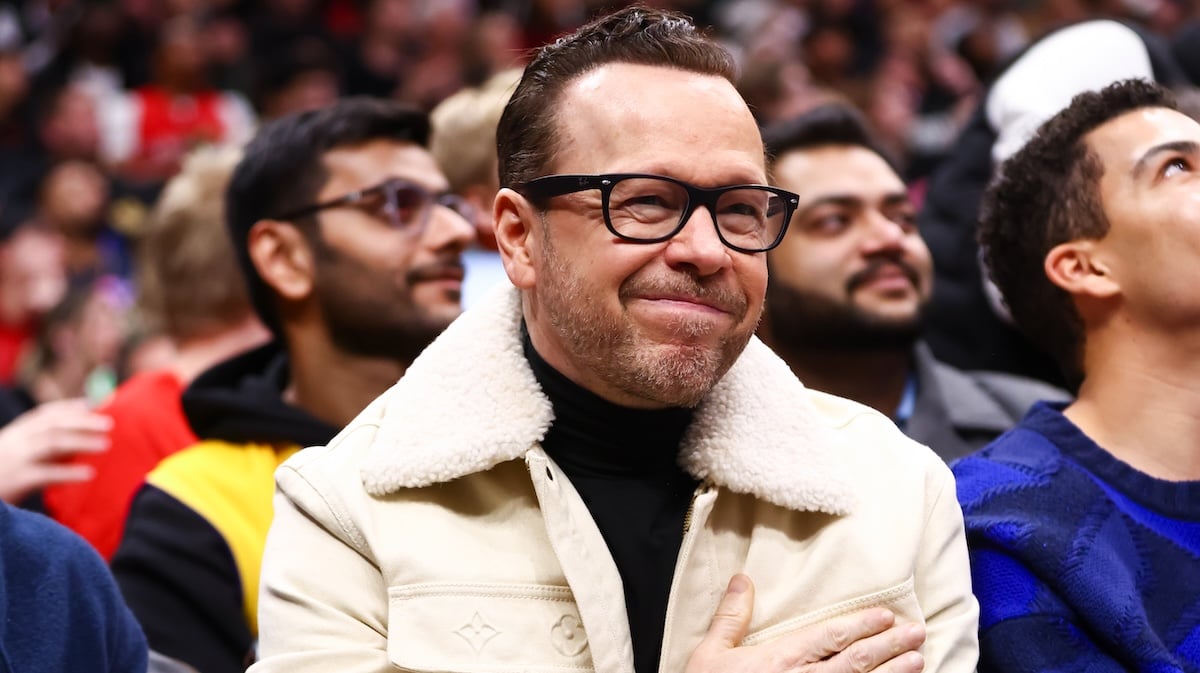
Long before Mark Wahlberg became a fixture on Hollywood calling sheets, he was Marky Mark, shaking up the early 1990s charts. Behind that explosive hip-hop persona stood a crucial architect: his older brother, Donnie Wahlberg. While Donnie was already scaling global arenas as a core member of New Kids on the Block, he spent his spare time writing, producing, and structuring the sound that launched his younger brother into superstardom. This creative partnership transformed a turbulent teen into a platinum-selling artist, yet Donnie's foundational contribution remains deeply underrated in pop culture histories.
The trajectory of Marky Mark and the Funky Bunch wasn't just a lucky break or an overnight studio creation. It was a calculated rehabilitation project born out of family loyalty and raw musical instinct. Donnie stepped in when Mark needed a definitive pivot away from legal troubles and a chaotic youth in Boston. By analyzing the inner workings of Donnie's production style, the formation of the Funky Bunch, and the creation of hits like Good Vibrations, we uncover how one brother's pop stardom engineered another's second chance.
The Boston Backdrop and Early Musical Roots
To understand how Donnie shaped Mark's career, we have to look back at the tight-knit, crowded Wahlberg household in Dorchester, Massachusetts. Donnie was the breakout star of the family, recruited early by producer Maurice Starr to form New Kids on the Block. Mark had actually been part of the earliest iterations of the boy band before walking away to chase a different lifestyle.
When Mark's path led to a brief incarceration and a stark realization about his future, Donnie made a promise. He told Mark that if he cleaned up his act, he would help him break into the music industry. Donnie didn't just offer moral support; he brought technical industry muscle. Having spent years inside professional recording studios learning arrangement, vocal production, and hook writing from Starr, Donnie possessed the exact roadmap needed to launch a fresh act.
Crafting Music for the People
By 1990, Donnie took the lead in shaping Mark's musical identity. He styled him as Marky Mark, blending energetic rap verses with infectious dance-pop hooks. Donnie co-wrote and produced the bulk of the debut album, Music for the People, released in 1991.
The production approach relied heavily on a formula that Donnie mastered during his New Kids era: massive, stadium-ready chorus hooks paired with heavy, danceable drum breaks. Donnie recruited background dancers and musicians to form the Funky Bunch—featuring personnel like Terry "DJ-T" Yancey and Anthony "Ace" Thomas—giving Mark the visual and performance weight of a full band rather than a solo rapper.
The Breakthrough of Good Vibrations
The crown jewel of Donnie's production work with his brother was the smash hit Good Vibrations. Featuring a distinct piano sample and vocals from Loleatta Holloway, the track hit number one on the Billboard Hot 100. Donnie's arrangement fused rap cadence with soaring R&B vocal textures, a signature move of early 90s crossover pop.
- Production Discipline: Donnie enforced strict studio hours to ensure Mark delivered his vocal takes cleanly.
- Sample Clearance & Integration: Navigating the legalities and blending classic soul samples with fresh drum programming was a skill Donnie picked up observing major label production teams.
- Image Alignment: Donnie understood how media perception worked, ensuring the music balanced a gritty hip-hop edge with undeniable pop radio appeal.
You can read more about the broader scope of Donnie's career on Britannica's Donnie Wahlberg Biography.
Navigating the Transition to Acting
The explosive success of Music for the People and its follow-up album established Mark as a pop culture phenomenon, highlighted further by his iconic Calvin Klein underwear campaigns. However, the "bad boy" rap persona had limitations. As public scrutiny shifted, Mark wanted to shed the Marky Mark moniker entirely to pursue serious dramatic acting.
Donnie's guidance didn't stop at rap. Having navigated intense teen-idol fatigue with New Kids on the Block, Donnie understood how vital a reinvention strategy was. When Mark transitioned into films like Renaissance Man and later earned critical acclaim in movies like Boogie Nights, the foundational media training and discipline he learned during his time with Donnie played an understated role in keeping him grounded.
Frequently Asked Questions
Was Mark Wahlberg originally in New Kids on the Block?
Yes. Mark was briefly part of the group's early lineup before leaving due to personal conflicts and run-ins with the law, which paved the way for Donnie to take center stage before later returning the favor.
What exact songs did Donnie Wahlberg produce for Marky Mark?
Donnie co-wrote and produced tracks across the Music for the People album, most notably contributing heavily to the writing and arrangement of the chart-topping single Good Vibrations.
Why did Marky Mark and the Funky Bunch disband?
After releasing their second album, You Gotta Believe, the group's commercial momentum slowed down as the 90s hip-hop landscape shifted toward gangsta rap and grunge. Mark subsequently shifted his career focus toward modeling and full-time acting.
How did Donnie balance New Kids on the Block and producing for Mark?
Donnie juggled overlapping studio sessions and touring schedules by carving out late-night hours in the recording studio, utilizing the production knowledge he gained working under Maurice Starr. Explore more historical context regarding the group's formation on Wikipedia's New Kids on the Block Page.


