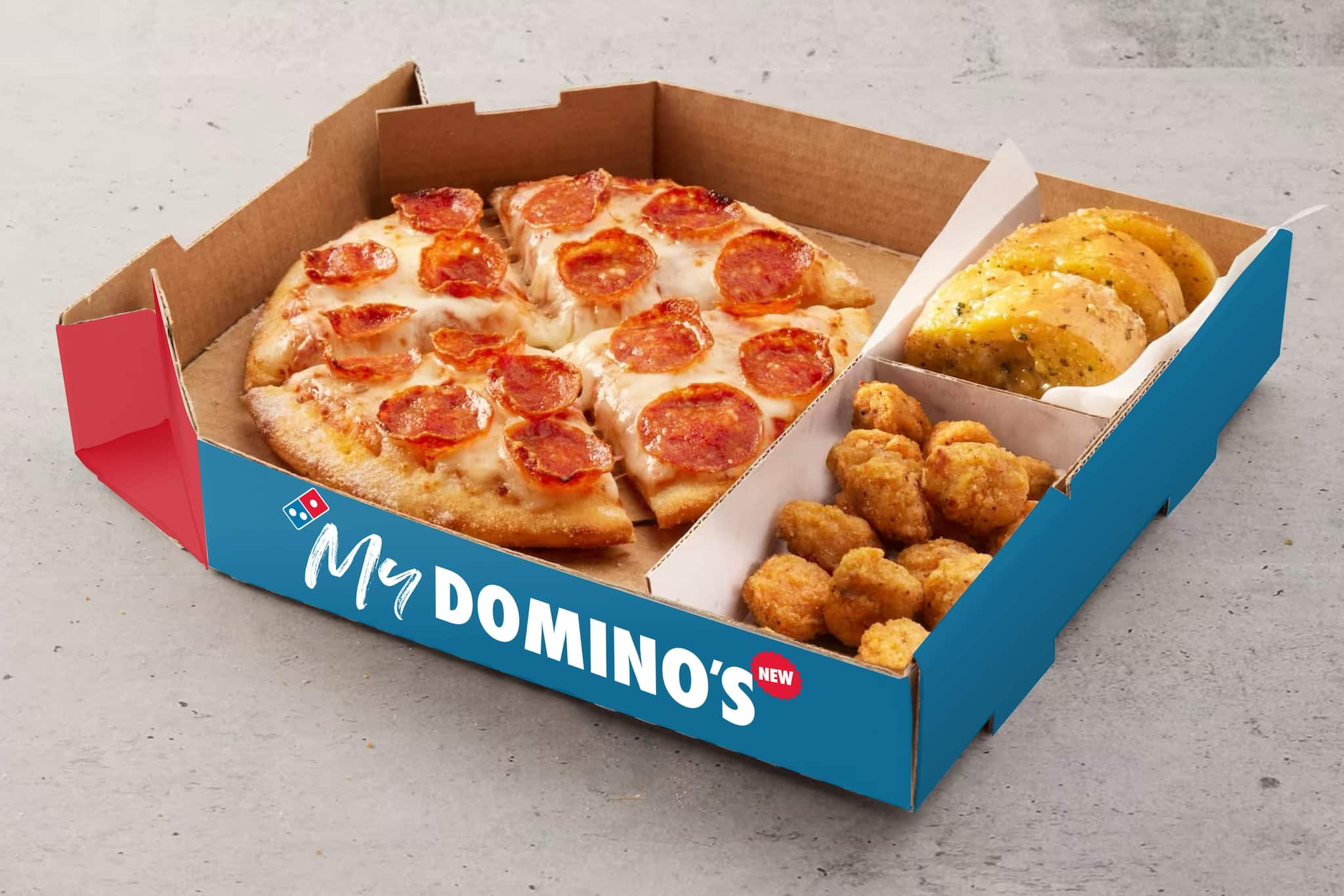
When you open a delivery box, you aren't thinking about macronutrients. You're smelling hot cheese, yeast, and seasoned meats. But knowing what's actually inside your meal helps you balance your intake without giving up your favorite Saturday night routine. Fast food gets a bad reputation, yet understanding the exact numbers changes how you order.
A single medium slice of hand-tossed cheese pizza sits around 200 calories, while a heavily loaded specialty option can double that. Across crusts, toppings, and sides, the variance is massive. Let's break down the actual data behind Domino's nutrition facts so you can make informed choices.
Crust Choices and Their Impact on Calories
The foundation of any slice dictates its overall energy load. Many eaters assume toppings drive most of the calorie count, but the crust often plays a bigger role than you think.
Thin Crust vs. Hand Tossed
If you want to cut down on carbs and total energy density, thin crust is your primary option. A medium thin-crust cheese slice drops to roughly 130 to 150 calories, whereas a hand-tossed cheese slice sits closer to 200 calories. Brooklyn style and handmade pan crusts push those numbers even higher due to added oil and denser dough. To explore the complete picture, check out the detailed analysis by Mayo Clinic.
- Thin Crust: Lowest calorie and carbohydrate profile per slice.
- Hand Tossed: Standard baseline, moderate thickness, balanced chew.
- Handmade Pan: Richer, buttery flavor profile with significantly higher fat content.
- Gluten Free: Helpful for dietary restrictions, though calorie counts remain comparable to traditional thin crusts due to dense alternative flours.
Toppings and Meat vs. Veggie Profiles
Toppings transform a simple bread-and-cheese base into a heavy meal. Swapping ingredients changes your sodium and fat intake drastically.
The Meat Penalty
Meats like pepperoni, sausage, and bacon bring high amounts of saturated fat and sodium. A single medium slice of pepperoni on a hand-tossed crust jumps to about 220–230 calories, packing roughly 10 grams of fat. If you order an ExtravaganZZa, which stacks multiple meats and extra cheese, a single medium slice climbs to 280 calories and 14 grams of fat. Eating half that medium pie means consuming over 1,100 calories in just four slices.
Vegetable Additions
Vegetables add volume, fiber, and micronutrients without destroying your daily targets. A Pacific Veggie or a mushroom-and-onion combination keeps slice counts leaner while offering a satisfying bite. Keep an eye on extra cheese layers, which quickly offset the benefits of choosing plant-based toppings.
Beyond Pizza: Sides, Pastas, and Desserts
People rarely order pizza in isolation. Wings, breads, and pastas frequently accompany the main box, adding hidden calories that accumulate fast.
Pasta and Sandwiches
Domino's offers hearty pasta bowls like Chicken Alfredo, which packs up to 650 calories per tin. Sandwiches such as the Chicken Parm hover around 600 calories. These items compete directly with a large portion of pizza, meaning combining them into a single meal easily exceeds an entire day's recommended energy intake for many individuals.
Breads and Sweets
Garlic bread twists and parmesan bread bites range from 290 calories for small portions up to nearly 600 calories for full breadstick orders. Desserts like the Chocolate Lava Crunch Cake or Marbled Cookie Brownie add 350 to 480 calories per serving. Sharing these items is the simplest way to enjoy them without overdoing your sugar and fat intake.
Smart Ordering Strategies for Regulars
You don't have to quit fast food to maintain a balanced lifestyle. Small adjustments at checkout alter the nutritional outcome of your meal entirely.
- Watch your portions: Box out two or three slices on a separate plate rather than eating straight from the cardboard container. Visual boundaries stop accidental overeating.
- Pair with a side salad: Adding a light garden salad provides volume and fiber, helping you feel full faster on fewer pizza slices.
- Opt for water or zero-sugar beverages: Sugary sodas add hundreds of empty calories to a meal that is already energy-dense. Choosing zero-sugar alternatives saves room for an extra slice if you want it.
- Build a custom half-and-half: Order half your pizza with heavy meat and extra cheese, and the other half with thin crust and vegetables. This satisfies cravings while keeping overall intake manageable.
To check exact, real-time nutritional values for regional menu variations, you can consult the official Domino's Nutrition Guide. For broader fast food comparisons, review data compiled by the U.S. Department of Agriculture.
Frequently Asked Questions
How many calories are in a whole large Domino's pizza?
A whole 14-inch large hand-tossed cheese pizza contains roughly 2,320 calories. If you add heavy meats like pepperoni and sausage, that total climbs past 2,800 calories for the entire box.
Which Domino's crust has the lowest carbs?
The thin crust option contains the lowest carbohydrate and calorie count per slice. It uses an un-risen dough rolled flat, minimizing the amount of flour per serving compared to hand-tossed or pan styles.
Are Domino's chicken wings fried or baked?
Domino's bakes its chicken wings and boneless chicken in high-temperature commercial ovens rather than submerging them in deep fryers. This cuts down on some oil absorption, though they still contain notable fat and sodium from marinades and sauces.
How can I lower the sodium in my Domino's order?
Choose thin crust, limit processed cured meats like pepperoni and bacon, and go easy on extra cheese. Sauces and cured toppings contribute the vast majority of the sodium found in fast food pizza.



