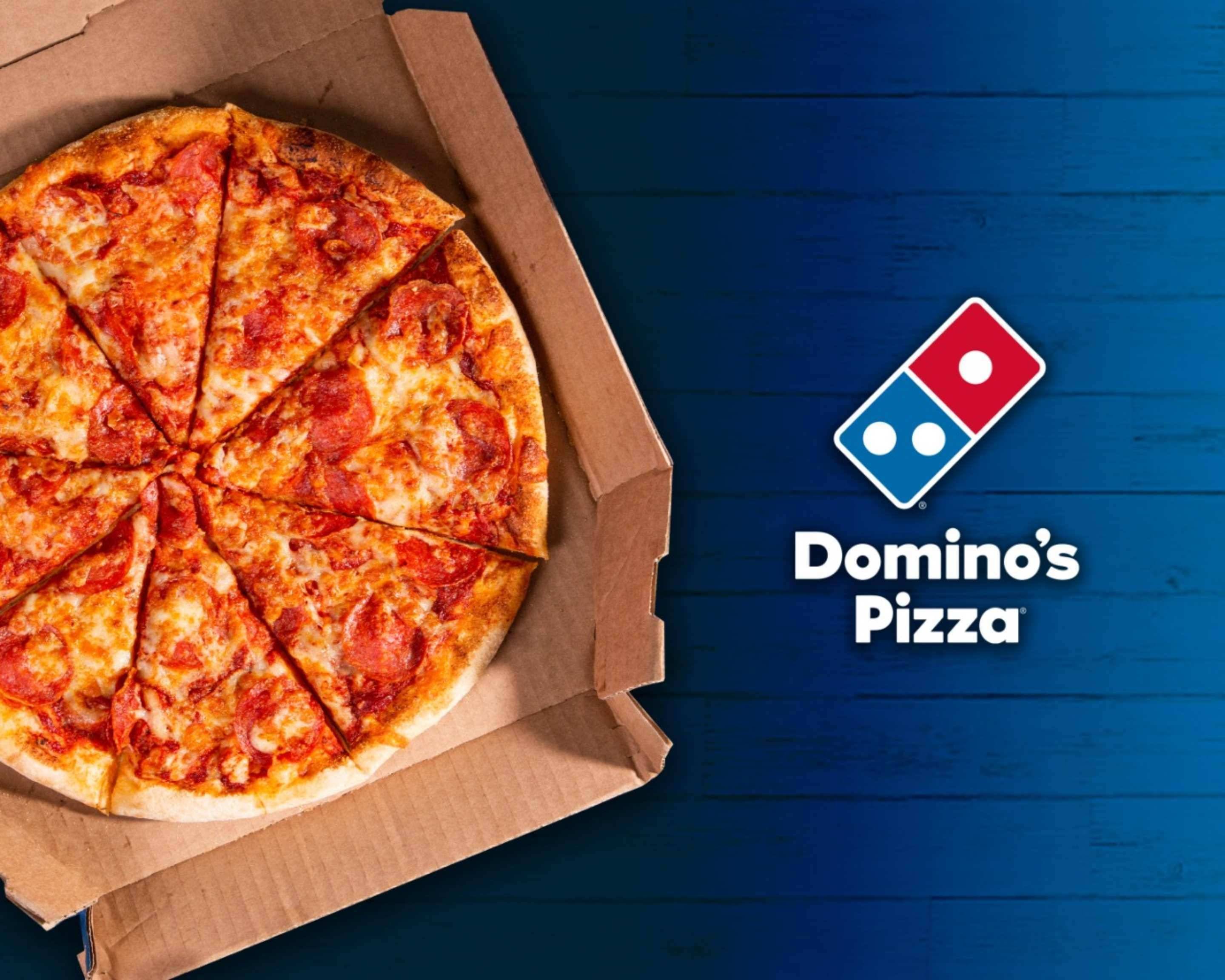
When you order a standard Domino's large pizza in the United States, it measures 14 inches in diameter and is cut into 8 standard triangular slices. However, depending on your crust choice and regional variations, that slice count can change dramatically. Knowing how many pieces you actually get helps you plan group orders, calculate nutritional intake, and avoid running out of food during game nights or family gatherings.
Beyond the default 8-slice cut, factors like crust style, regional store standards, and custom slicing instructions alter the final presentation. Let's break down everything you need to know about Domino's sizing mechanics so you can order with total confidence.
Standard Slice Count by Crust Type
Not all crusts at Domino's are sliced the same way. While the traditional Hand-Tossed and Handmade Pan options follow the classic 8-piece pattern, other styles use alternative cutting methods.
- Hand-Tossed Crust: The baseline 14-inch large pizza comes with 8 traditional triangular slices. This style suits standard party planning and feeds roughly three to five people depending on individual appetites.
- Brooklyn Style Crust: A large Brooklyn style pizza measures 16 inches rather than 14 inches. Because the dough is stretched paper-thin and oversized, it's typically cut into 6 giant, foldable slices, though some locations cut it into 8.
- Gluten-Free Crust: Available only in a 10-inch small size, this crust is cut into 6 square or triangular pieces depending on store preference, but it is not offered in a large size.
- Thin Crust (Party Cut): If you order a large Thin Crust pizza, it doesn't come in triangles at all. Domino's cuts thin crust pizzas into a grid of square pieces (often 16 squares), making them easy to grab as finger food for parties.
Dimensions and Surface Area Math
Understanding slice count requires looking at the actual geometry of the pie. A 14-inch circle has a total surface area of roughly 153.9 square inches. When divided into 8 standard slices, each piece gives you about 19.2 square inches of crust, sauce, cheese, and toppings. Similar analysis on the subject has been provided by BBC.
Compare this to a medium 12-inch pizza, which also comes with 8 slices by default. Even though both pizzas share the same slice count, the medium pie only has about 113.1 total square inches of surface area. That means each medium slice gives you roughly 14.1 square inches—making large slices significantly larger and heavier per piece.
How to Customize Your Slice Count
If the default 8 slices don't fit your event, you aren't stuck with them. Domino's kitchens can adjust cutting instructions upon request.
- Order online or via app: Use the special instructions or delivery notes section if available, though calling the store directly is often more reliable for precise cutting requests.
- Request party cuts: Ask for a square cut instead of radial triangles if you're serving children or hosting a casual gathering where smaller bites work better.
- Specify slice numbers: You can ask for a large pizza to be cut into 10 or 12 slices for finger foods, or fewer slices if you want massive portions. Keep in mind that extremely thin crusts might crumble if cut into too many triangular pieces.
Estimating How Many Pizzas to Order
Planning food for a group requires calculating average consumption rates. As a dependable rule of thumb, adults typically eat between 2 and 3 slices of a large pizza, while children usually consume 1 to 2 slices.
- 2 Adults: One large pizza (8 slices) provides enough food for dinner plus a few leftovers.
- 4 Adults: Two large pizzas (16 slices) comfortably feed the group with room for heavier eaters.
- 6 to 8 Adults: Plan for three large pizzas (24 slices) to ensure everyone gets 3 slices each without running short.
For official dietary tracking and allergen guidelines, you can cross-reference the Domino's Official Website to check exact nutritional values per slice based on your chosen toppings.
Common Ordering Mistakes to Avoid
Ordering pizza for a crowd often leads to predictable errors that leave guests hungry or waste money.
- Ignoring crust variations: Assuming all large pizzas come in 8 triangles will surprise you if you order a thin crust and receive a grid of squares.
- Confusing medium and large slice value: Assuming two medium pizzas equal one large pizza often results in miscalculating food volume. Two 12-inch mediums yield roughly 226 square inches of food, whereas one 14-inch large provides about 154 square inches. Two mediums actually yield significantly more food than one large, despite having the same nominal slice count on paper.
- Failing to account for dietary preferences: Ordering only meat-heavy large pizzas without a plain cheese or veggie alternative leaves vegetarian guests with nothing to eat.
Frequently Asked Questions
Does Domino's charge extra for custom slice cuts?
No, requesting a square cut or a specific number of slices is a free customization service at most corporate and franchise locations.
Are international Domino's large sizes the same?
No. For example, a large Domino's pizza in the UK measures 13.5 inches and comes with 10 slices, while US stores use a 14-inch standard cut into 8 slices. Always check local regional menus.
Why do thin crust pizzas use square cuts?
Thin crust dough lacks the structural gluten chew and thickness of hand-tossed dough. Cutting it into squares prevents the center from flopping and makes sharing easier for appetizers.
How many calories are in a single large Domino's slice?
A standard hand-tossed cheese slice contains roughly 250 to 285 calories. Adding heavy meats like pepperoni or sausage increases each slice to 300 calories or more.



