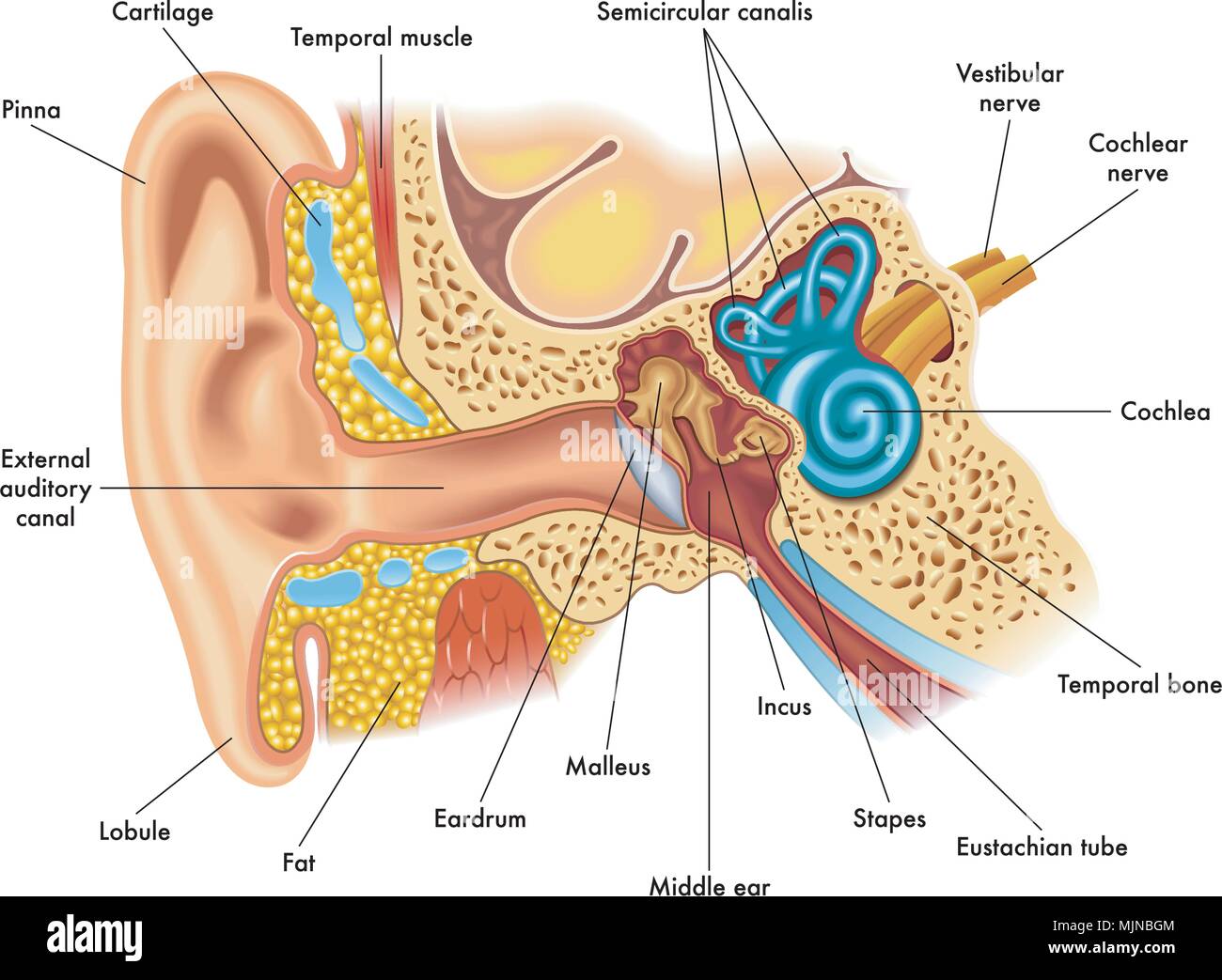
When a stubborn ear clog hits, sounds muffle and everyday conversations feel like they're underwater. If you're standing in an aisle trying to fix it fast, you'll find affordable over-the-counter options on budget retail shelves. Dollar General carries basic earwax removal drops—usually generic or brand-name carbamide peroxide formulas—priced under five dollars. These treatments bubble away compacted wax to restore hearing quickly without an immediate doctor's bill.
Understanding what you're buying prevents wasted time and potential eardrum irritation. Over-the-counter ear drops don't work instantly for every type of blockage, and using the wrong product can make symptoms worse. Here's a practical breakdown of how these budget-friendly drops work, when they're safe to use, and when you need to skip the store aisle and call a physician.
What's in Dollar General Ear Drops?
Most budget ear drops rely on a single active ingredient: carbamide peroxide (typically 6.5%). When you tilt your head and squeeze the drops into your ear canal, this compound mixes with cerumen (earwax) and releases microscopic oxygen bubbles.
That fizzy micro-action softens, loosens, and breaks apart hardened plugs of wax so they can drain out naturally or be gently rinsed away.
- Carbamide peroxide drops: The standard fizzy option found in discount stores, designed for active wax removal.
- Oil-based drops: Sometimes stocked as mineral oil or sweet oil, these lubricate dry canals and soften hard wax before removal, though they don't fizz or dissolve buildup on their own.
- Saline solutions: Gentle water-based options meant primarily for rinsing debris after a softening agent has done the heavy lifting.
If you're browsing the health aisle at a discount retailer, check the active ingredients box carefully. You want a carbamide peroxide solution if you're dealing with a hard, established wax impaction.
Step-by-Step Guide to Using Ear Drops Safely
Pouring liquids into your ear canal requires patience and precision. Rushing the process or using cold fluid can cause sharp dizziness or fail to break up the blockage.
- Warm the bottle: Hold the sealed bottle in your closed hands for three to five minutes. Cold drops trigger the vestibular system in your inner ear, leading to sudden, uncomfortable vertigo.
- Position your head: Lie down on your side on a bed or couch with the clogged ear pointing straight up toward the ceiling. Place a small towel under your head to catch any overflow.
- Straighten the canal: Gently pull your outer ear upward and backward (downward and backward for young children) to straighten the ear canal and let the liquid flow deep inside.
- Instill the drops: Administer the recommended number of drops—usually 5 to 10 drops—as stated on the product packaging.
- Wait out the fizz: Remain lying on your side for 5 to 10 minutes. You'll likely hear a distinct crackling or bubbling sound; that's the peroxide working on the wax.
- Rinse and drain: Sit up slowly and hold a tissue or clean cloth against your ear. If your kit includes a rubber bulb syringe, you can gently flush the ear with warm (not hot) water, then tilt your head to drain.
Never insert cotton swabs, bobby pins, or keys into your ear canal after applying drops. You'll only pack the softened wax tighter against your eardrum, turning a minor blockage into a painful impaction.
Common Mistakes That Worsen Ear Clogs
People often make critical errors when trying quick home remedies for muffled hearing. Avoiding these mistakes protects your eardrum from damage.
- Skipping the check for a perforated eardrum: If you've had ear tubes, a history of ruptured eardrums, or active ear surgery, never put liquid drops or water rinses into your ear without explicit medical clearance.
- Aggressive flushing: Using high-pressure water jets or squeezing a bulb syringe too forcefully can rupture the tympanic membrane or push debris deeper.
- Overusing peroxide: Using carbamide peroxide drops for more than four consecutive days can dry out and irritate the sensitive skin inside the ear canal, causing itchiness and secondary infections.
- Mistaking fluid for wax: Swimmer's ear or eustachian tube dysfunction (fluid behind the eardrum from allergies or colds) doesn't respond to earwax drops. Putting wax-removal fluid into an ear blocked by fluid or infection will only cause unnecessary stinging.
When Over-the-Counter Drops Won't Cut It
While budget ear drops clear simple wax blockages for many people, they aren't a universal cure. You need professional medical evaluation if you try treatment for four days without improvement or notice specific red-flag symptoms.
- Severe, sharp pain inside the ear canal or radiating down your jaw.
- Pus, blood, or foul-smelling drainage leaking from the ear.
- Sudden, total hearing loss that happens overnight rather than building up gradually.
- Persistent dizziness, vertigo, or balance issues after using drops.
- A feeling that an insect or hard foreign object is lodged inside the canal.
Primary care clinics or urgent care centers can look inside your ear with an otoscope to confirm the blockage. If stubborn wax remains locked in place, a doctor can perform professional manual extraction or gentle mechanical irrigation safely.
Frequently Asked Questions
Can I use hydrogen peroxide instead of commercial ear drops?
Household 3% hydrogen peroxide can break up earwax, but it lacks the stabilizing agents and viscosity found in commercial drops. It tends to run out too quickly and can easily over-dry the ear canal if used improperly. Commercial carbamide peroxide drops are formulated to cling to the wax longer for a more thorough clean.
How long does it take for Dollar General ear drops to work?
Most people experience noticeable relief within two to four days of consistent use (applying drops twice daily). If your ear doesn't clear up after four days of treatment, stop using the drops and consult a healthcare provider.
Is it normal for my ear to feel more blocked after putting in drops?
Yes, initially. As the drops soften and expand the dry wax plug, it can temporarily block sound even more before it breaks apart and drains out. This temporary muffled feeling usually resolves after the first or second application.
Can children use adult earwax removal drops?
Always check the packaging age guidelines. Many standard adult formulations are not recommended for children under 12 without consulting a pediatrician first. Children have smaller, narrower ear canals that require more cautious handling.



