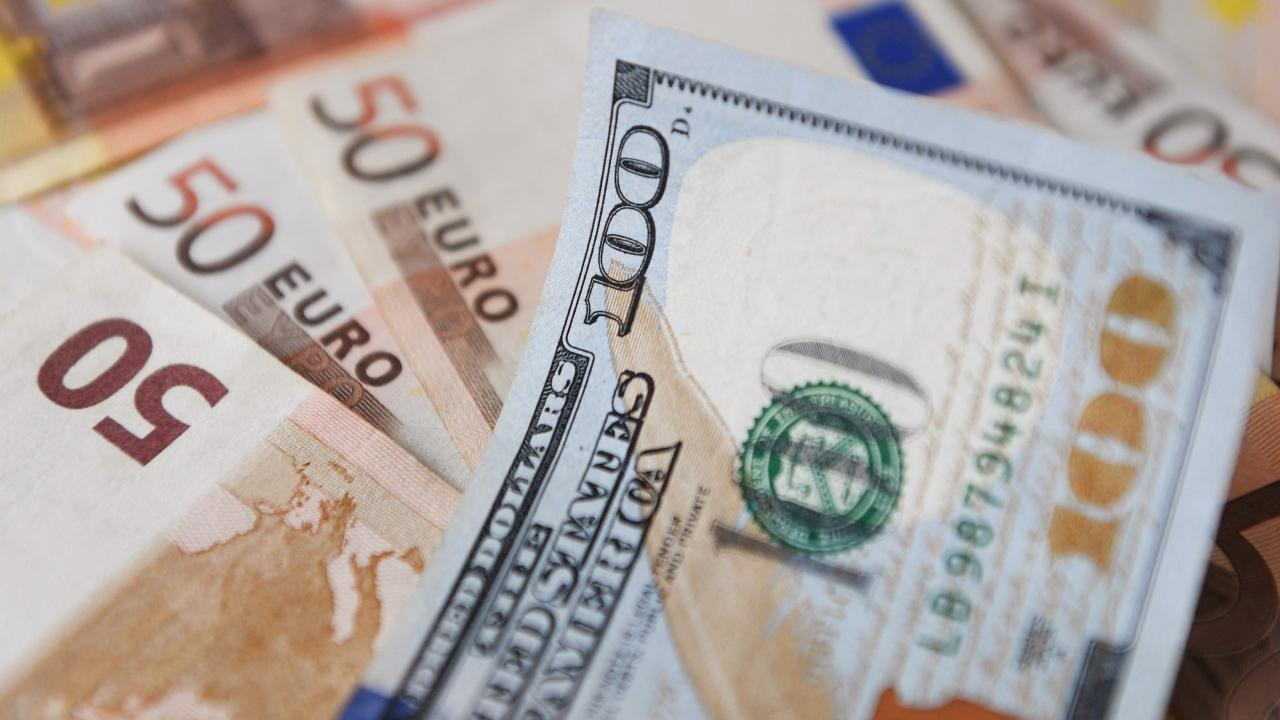
The informal parallel exchange market in Argentina known as the dolar blue has spent years dictating how citizens protect their savings from runaway inflation. Lately, the dynamic has shifted. Instead of handing cash across a counter at an unlicensed storefront (cueva), millions of people rely on digital alternatives. Stablecoins pegged to the U.S. dollar have effectively modernized the parallel market, offering a faster and safer way to hold hard currency without touching paper bills.
Understanding this transition requires looking at why informal rates exist, how digital assets stepped into that vacuum, and what this means for the future of everyday finance.
The Roots of Dolar Blue and Currency Controls
For decades, strict government restrictions on foreign currency purchases forced Argentines to look outside the formal banking system. When citizens couldn't legally buy U.S. dollars through official channels, a parallel market emerged. This street-level exchange rate—the dolar blue—traded at a premium compared to the official bank rate.
While it provided a lifeline for savers trying to escape local currency devaluation, dealing in physical cash came with severe friction:
- Counterfeit risks: Checking stacks of physical bills for fakes.
- Security hazards: Transporting physical cash through unregulated channels.
- Geographic limits: Accessing these rates usually required visiting physical locations in major urban centers.
As digital infrastructure improved, these physical inefficiencies opened the door for blockchain-based solutions.
How Stablecoins Became the Digital Dollar
Instead of physical banknotes, everyday users and tech-savvy savers began adopting stablecoins like USDT, USDC, and DAI. These tokens maintain a 1:1 parity with the U.S. dollar, functioning as a digital mirror of the physical greenback.
The digital parallel rate—often called the dolar cripto—emerged naturally through peer-to-peer (P2P) marketplaces and local crypto platforms. Unlike traditional parallel markets, this digital ecosystem operates 24/7. Users can convert local currency into dollar-pegged stablecoins instantly using a smartphone.
Platforms such as Belo and other regional fintech apps allow users to hold stablecoins, earn yields, and spend directly via integrated payment cards without ever visiting an exchange office.
Why the Crypto Alternative Outpaces Cash
While currency policies and official rates fluctuate, digital dollar adoption continues to climb across Latin America because it solves practical problems that cash cannot touch:
- Instant settlement: International wire transfers take days and face high intermediary fees, whereas stablecoin transfers clear in seconds on public blockchains.
- Yield generation: Unlike physical cash sitting idle in a drawer, digital wallets often pay real-time returns on stablecoin balances.
- Accessibility: Anyone with internet access and a verified digital wallet can participate, removing the need for physical intermediaries or minimum account balances.
According to reports from tracking platforms like CoinMarketCap, regional adoption rates outpace global averages because citizens treat digital assets as an immediate utility for preserving purchasing power rather than a speculative gamble.
Risks and Limitations of Digital Currencies
While digital tokens bypass the physical dangers of street-level currency trading, they introduce a different set of challenges:
- Platform risk: Custodial wallets and regional exchanges can experience technical downtime or solvency issues.
- Smart contract vulnerabilities: Decentralized protocols carry code risks that can lead to unexpected exploits.
- Regulatory shifts: Governments continually update tax frameworks and reporting requirements for digital asset transactions.
Frequently Asked Questions
What is the main difference between the dolar blue and the crypto dollar?
The dolar blue is the informal cash rate for physical U.S. dollars traded on the street. The crypto dollar is the exchange rate for dollar-pegged stablecoins traded across digital platforms and P2P networks.
Do I need a crypto wallet to use stablecoins?
Yes, you need a software wallet or a fintech app that supports digital assets to hold, send, or receive stablecoins. Many modern apps integrate crypto balances with standard debit cards for everyday spending.
Are stablecoins entirely risk-free?
No. While they maintain price stability relative to the U.S. dollar, users face digital security risks, platform dependencies, and changing local tax regulations.
Why do people prefer stablecoins over traditional bank accounts?
Stablecoins protect users from domestic inflation and banking restrictions while offering instant cross-border transfers without legacy banking delays.



