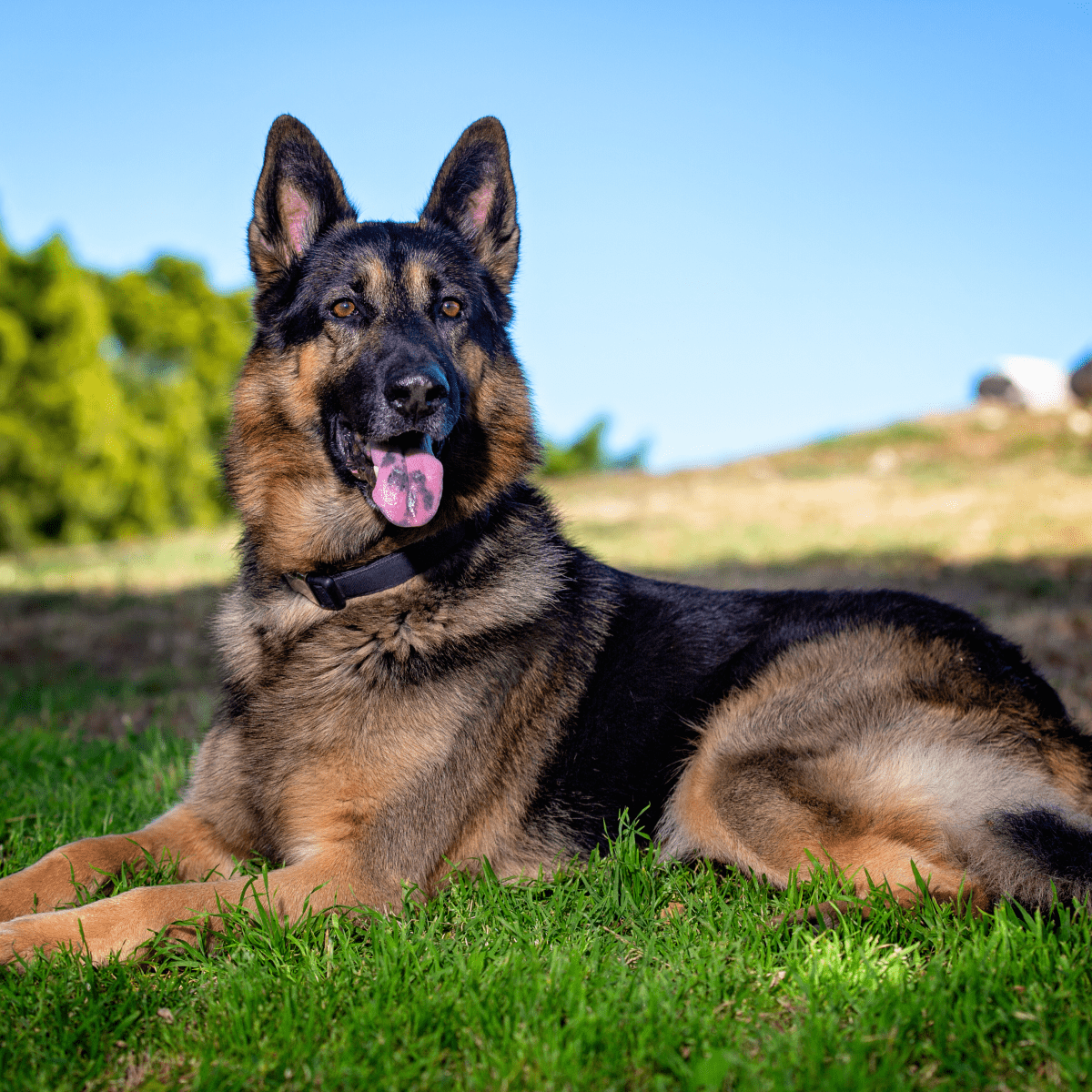
When you look inside the mouth of a gray wolf (Canis lupus) and compare it to a domestic dog (Canis lupus familiaris), you aren't just looking at two members of the same biological family. You are looking at a masterclass in evolutionary divergence. Both creatures possess forty-two teeth packed into a specialized carnivorous jaw, but the dimensions, bone density, and mechanical design tell two entirely different stories of survival, prey selection, and ecological dominance.
A wolf's skull is engineered for high-stakes predation against large ungulates like elk and moose, requiring mechanical advantages that can crush bones and withstand violent, thrashing prey. In contrast, domestic dogs have undergone thousands of years of cranial remodeling through human companionship and dietary shifts. Their jaws reflect a more generalized diet, relaxed selection pressures, and reduced muscle mass. Understanding how these dental architectures differ reveals why a wolf's bite feels like a hydraulic press, while a dog's jaw prioritizes versatility over crushing power.
The Canid Dental Blueprint: What Stays the Same
Despite distinct functional differences, dogs and wolves share the foundational mammalian carnivore dental formula. Both species grow 42 permanent teeth divided into four distinct categories: incisors, canines, premolars, and molars.
Each tooth group serves a specific mechanical function during feeding: Additional information into this topic are covered by Associated Press.
- Incisors: The small, front-facing teeth (six on top, six on bottom) used for delicate nipping, grooming, and scraping meat from bone fragments.
- Canines: The elongated, dagger-like teeth positioned behind the incisors, designed for puncturing hide, anchoring moving prey, and delivering immobilization bites.
- Premolars: The intermediate teeth positioned along the sides of the jaw, featuring sharp cusps used for shearing flesh and initial breakdown.
- Molars: The flat-surfaced or ridged teeth located at the back of the mouth, optimized for crushing, grinding, and chewing food boluses.
While the dental counts match, the proportional scale and bone density supporting these teeth diverge sharply. According to comparative anatomy data from National Geographic, a wild wolf's skull exhibits significantly heavier sagittal and zygomatic crests—the bony ridges where massive jaw-closing muscles anchor. Dogs retain the same tooth count, but selective breeding has compressed their muzzles, altered spacing, and reduced overall muscle leverage.
Wolf Jaws: Engineering for Apex Predation
To understand wolf teeth, you have to examine the mechanical demands of hunting large, dangerous prey alone or in a pack. Wolves don't have the luxury of processed kibble or predictable meals; they rely on immediate structural integrity when clamping onto a panicked animal weighing hundreds of pounds.
Wolf canines are longer, thicker, and deeply rooted compared to similarly sized dog breeds. A mature gray wolf features canines that can measure up to 1.4 inches in exposed length, anchored by massive root systems embedded deep in the maxilla and mandible. When a wolf strikes, these teeth act as structural stakes that resist lateral snapping forces when prey thrushes.
The Carnassial Engine
The fourth upper premolar and the first lower molar form the carnassial pair—the primary shearing blades of the canid mouth. In wolves, these teeth function like heavy-duty scissors.
- Blade length and sharpness: Wolf carnassials possess sharp, continuous cutting edges designed to slice through thick elk hide and dense muscle without dulling quickly.
- Bone-crushing posterior molars: Behind the carnassials, the molars feature broad, flat basins backed by immense bite pressure. A wolf can generate a bite force quotient (BFQ) that translates to roughly 400 pounds per square inch (psi), enabling them to fracture long bones to reach nutrient-dense marrow.
This specialized design leaves little room for dietary flexibility. A wolf's jaw is a precision weapon optimized for raw carnivory, making it poorly suited for processing abrasive plant matter or irregular diets.
Dog Jaws: The Impact of Domestication
When humans began offering domestic canids scraps, grains, and eventually commercial diets, the evolutionary pressure maintaining extreme jaw power relaxed. Over millennia, human selection—driven by artificial selection for docility, neoteny (retention of juvenile traits), and diverse physical aesthetics—drastically transformed canine skulls.
The most visible change is the emergence of brachycephalic (short-nosed) and mesaticephalic (medium-nosed) skull shapes. While German Shepherds and Belgian Malinois retain a more ancestral, wolf-like snout, breeds like Bulldogs, Pugs, and Boxers feature severely shortened mandibles. This structural shift creates distinct dental challenges:
- Crowding and malocclusion: With less jaw real estate, teeth often overlap, rotate, or fail to erupt properly, trapping food debris and accelerating periodontal disease.
- Reduced bite leverage: Shorter jaws shorten the mechanical advantage of the masseter and temporalis muscles, significantly lowering overall bite force compared to wild counterparts.
- Enamel thinning: Selective breeding for coat colors, sizes, and temperaments occasionally coincided with weaker enamel density, making domestic teeth more prone to fracturing when chewing hard objects like antlers or dense nylon bones.
Even large guard dog breeds, while capable of inflicting severe defensive bites, rarely match the absolute bone-shattering mechanical advantage found in a wild wolf of equivalent body weight. Their cranial architecture prioritizes endurance and varied dietary intake over pure apex predation.
Bite Force and Prey Dynamics Compared
Bite force is not just a function of jaw size; it is a product of skull width, muscle mass, and neural drive. Researchers studying mammalian biomechanics often use the Bite Force Quotient to normalize bite strength against body weight, allowing fair comparisons across different species and breeds.
Wolves consistently score at the top tier of canid bite force metrics. Their wide zygomatic arches flare outward, creating a massive skeletal opening that allows thick, powerful jaw-closing muscles to bulge without restriction. When a wolf bites down, the force is distributed evenly across a robust jawbone designed to absorb shock.
Domestic dogs display wide variance. A Mastiff or Rottweiler can generate high absolute psi numbers due to sheer body mass, but their bite mechanics often lack the specialized leverage found in wild carnivores. Furthermore, domestic dogs rarely use their bite for sustained struggle against large prey, altering how their teeth experience chronic wear and tear.
Common Dental Wear Patterns in Dogs vs. Wolves
Teeth act as a biological diary, recording an animal's lifestyle, diet, and environmental stressors through microscopic and macroscopic wear patterns.
- Wolf wear signatures: Wild wolves show heavy attrition on their canines and carnassials. Tips of canine teeth are frequently blunted or chipped from gripping struggling prey and fracturing bones. Periodontal disease is less common in wild populations due to natural diets, but mechanical tooth fracture is a frequent cause of mortality or starvation in older wolves.
- Dog wear signatures: Domestic dogs rarely exhibit prey-induced fractures unless given inappropriate chew items. Instead, veterinarians frequently treat cats and dogs for calculus buildup, gingivitis, and slab fractures on the upper carnassial teeth caused by chewing on hard household items, rocks, or metal crates.
Preventative care makes a massive difference here. While a wolf relies on natural abrasion and bone-gnawing to keep teeth relatively clean in the wild, modern domestic dogs depend on professional dental scaling, enzymatic toothpastes, and veterinary oversight to prevent tooth loss.
Frequently Asked Questions
Can a domestic dog's teeth match a wolf's bite strength?
Only a few exceptionally large molossoid dog breeds, such as Kangals or Mastiffs, approach or exceed a wolf's absolute bite force psi due to massive body size. However, their skull geometry and tooth spacing are still optimized for general defense or holding, rather than the specialized bone-crushing mechanics of an apex wild predator.
Why do wolves have larger canine teeth than dogs of the same size?
Wolves require longer, thicker canines to penetrate the thick hides, heavy winter coats, and dense muscle layers of large prey like deer and elk. Domestic dogs do not face these hunting pressures, leading to evolutionary drift toward smaller, more compact teeth.
Do wolves get cavities like domestic dogs do?
Wild wolves rarely get dental cavities because their natural carnivorous diet contains virtually no refined sugars or fermentable carbohydrates. Domestic dogs, whose diets often include starches and sugars from commercial kibble, are significantly more susceptible to plaque accumulation, tartar, and dental decay.
How does skull shape affect a dog's dental health?
Breeds with shortened, wide skulls (brachycephalic breeds) suffer from dental overcrowding. Because the jaw is compressed while the tooth count remains fixed at 42, teeth twist and overlap, creating tight spaces that trap bacteria and dramatically increase the risk of periodontal disease.



