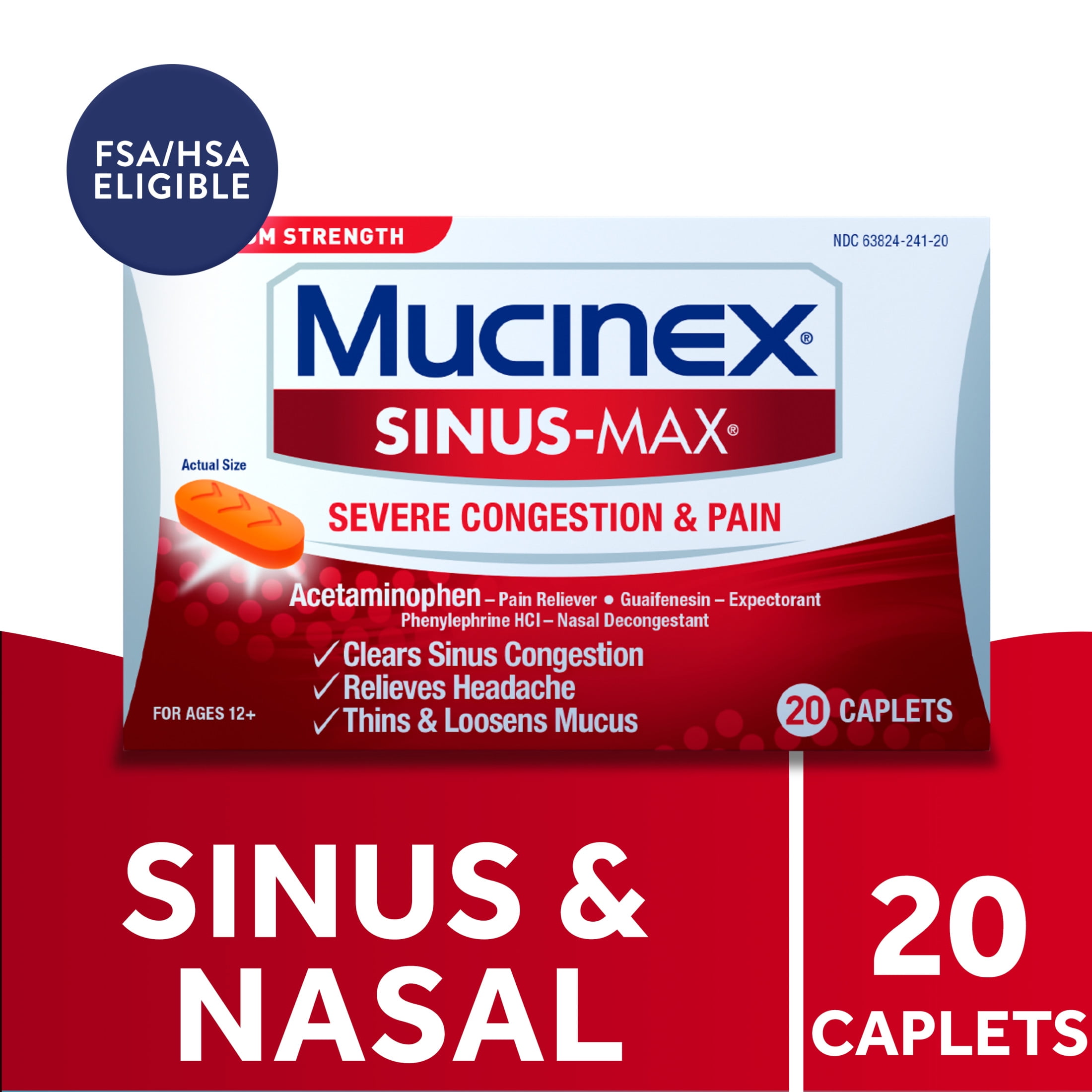
When you're dealing with a chest cold or stubborn congestion, figuring out your medication options can feel exhausting. You need relief, but you also need to get through your workday without nodding off at your desk. If you've reached for an orange box on the pharmacy shelf, you might wonder: does Mucinex make you drowsy?
The short answer depends entirely on which specific product you grab. Plain Mucinex, which contains only the active ingredient guaifenesin, does not cause drowsiness. However, many multi-symptom formulations under the Mucinex brand name include other ingredients like antihistamines or cough suppressants that can make you sleepy. Let's break down how these formulations work so you can choose the right medicine without unexpected fatigue.
Plain Mucinex and Guaifenesin: The Stimulus Breakdown
Plain Mucinex relies on a single active ingredient: guaifenesin. As an expectorant, guaifenesin works by thinning and loosening mucus in your airways, making it easier to cough up and clear out.
From a pharmacological standpoint, guaifenesin is not a central nervous system depressant. It doesn't target the brain receptors that trigger sleepiness. Clinical data and everyday consumer use show that plain guaifenesin does not cause drowsiness. In fact, some users report the exact opposite issue—mild insomnia or restlessness when taking extended-release formulas late in the day, especially if they are sensitive to how their body processes medications.
Common side effects of plain guaifenesin tend to involve the digestive tract rather than sleep patterns. You might experience mild nausea, stomach upset, or occasional headaches. Taking your dose with a full glass of water or a small snack usually resolves these issues.
The Multi-Symptom Trap: Why Some Formulas Cause Fatigue
If you took a Mucinex product and felt ready for a nap, you almost certainly took a combination medicine rather than plain guaifenesin. The brand offers dozens of variations designed to tackle coughs, fevers, sinus pressure, and runny noses all at once.
Look closely at the active ingredient panel on the back of the box to identify what's really causing your exhaustion:
- Dextromethorphan (DM): Found in Mucinex DM and several Fast-Max formulas, this cough suppressant can occasionally cause mild dizziness or drowsiness in some people.
- Antihistamines: While classic Mucinex doesn't typically feature sedating antihistamines like diphenhydramine, certain night-time cold formulas swap or add ingredients that heavily induce sleep to help you rest through symptoms.
- Acetaminophen or Pain Relievers: While pain relievers don't directly cause sleepiness, feeling exhausted is a natural side effect of fighting off a severe viral infection or fever. Sometimes the illness itself makes you sleepy, leading people to incorrectly blame the medication.
Checking the "Active Ingredients" box before purchasing saves you from unexpected grogginess during a busy day. If you need to stay alert, check out guidance from resources like GoodRx to verify individual drug profiles.
Common Mistakes When Taking Congestion Medication
Misusing over-the-counter chest medicine can lead to unwanted side effects, ranging from jitteriness to extreme fatigue. Avoid these common missteps:
- Assuming all Mucinex is the same: Grabbing a box off the shelf without reading the secondary words like "DM" or "Fast-Max" means you might ingest active ingredients you didn't intend to take.
- Ignoring dosage schedules: Taking extended-release tablets too close together can build up excess concentration in your bloodstream, worsening side effects like dizziness or nausea.
- Failing to hydrate: Guaifenesin requires plenty of water to thin mucus effectively. Without adequate hydration, the medication won't work as intended, and your cold symptoms will drag on longer.
For official safety guidelines and detailed product comparisons, you can review consumer medicine data via the U.S. National Library of Medicine.
Frequently Asked Questions
Can I take plain Mucinex before driving or working?
Yes. Because plain Mucinex contains only guaifenesin, it does not impair your cognitive function or cause sedation, making it safe to take before driving or operating machinery.
Why does Mucinex DM make me feel weird or dizzy?
Mucinex DM adds dextromethorphan to guaifenesin. Dextromethorphan acts on the cough center in the brain, and at standard doses, it can occasionally trigger mild dizziness, lightheadedness, or slight drowsiness in sensitive individuals.
How much water should I drink with Mucinex?
Aim for a full 8-ounce glass of water with every dose. Staying well-hydrated is the primary catalyst that helps guaifenesin loosen chest congestion.
Does Mucinex keep you awake at night?
Some users report trouble sleeping if they take extended-release guaifenesin late in the evening. If you find that the medication interferes with your rest, try taking your final daily dose earlier in the afternoon.



