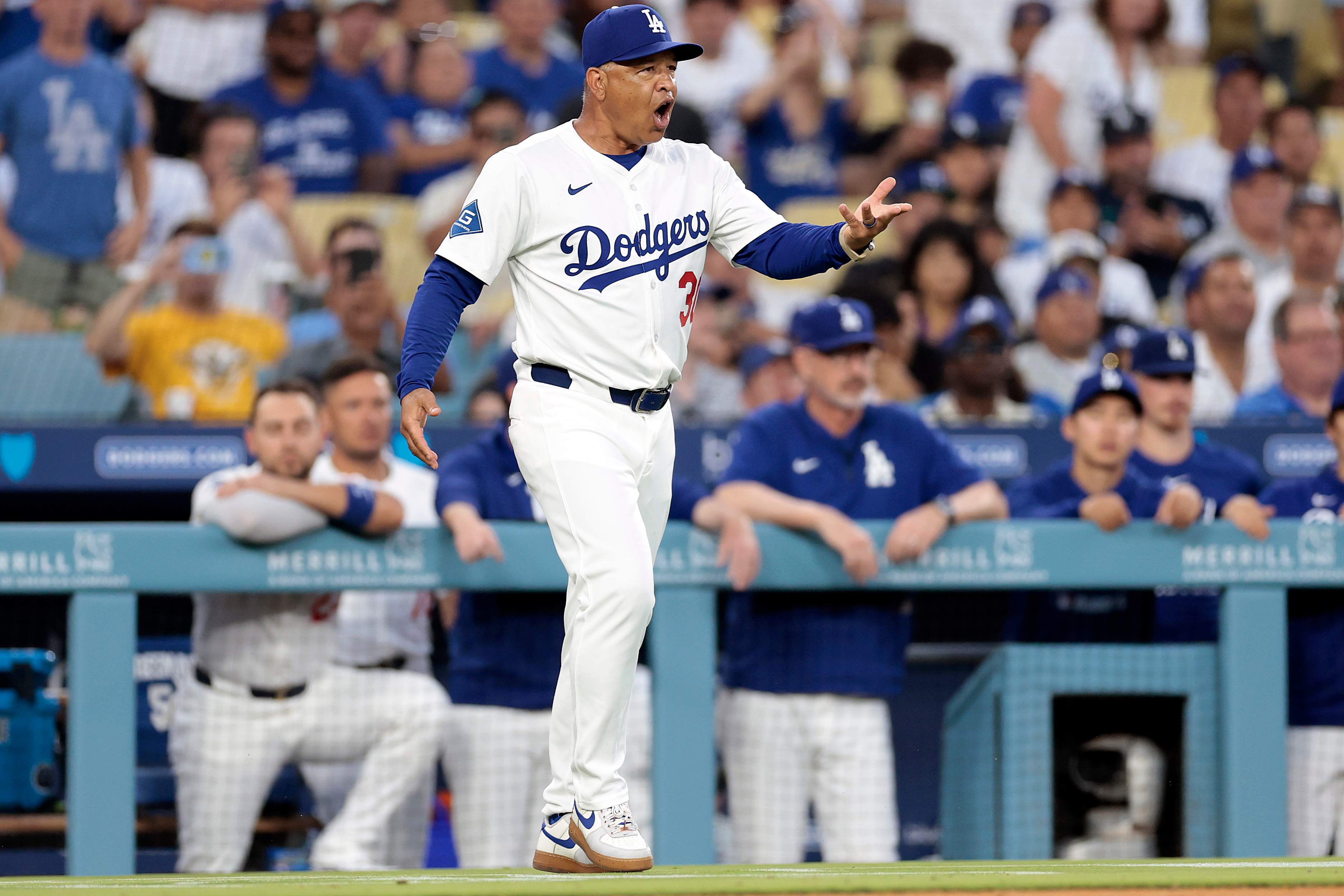
When the final out echoes through the ballpark and the crowd erupts, a very specific tradition takes over. If you've ever wondered about the Dodgers victory anthem: what song plays after a win, the answer is Randy Newman's iconic 1983 track, "I Love L.A." Played immediately following every home victory at Dodger Stadium, this upbeat anthem serves as the ultimate sonic signature for the franchise and its fans.
While casual viewers might only catch the triumphant chorus, the post-game audio experience at Dodger Stadium involves a carefully curated sequence. Understanding this tradition requires looking at how the song became a fixture, what other musical cues accompany a home win, and why it holds such a special place in Southern California sports culture.
The Iconic Post-Win Soundtrack: "I Love L.A."
The definitive song that blasts through the stadium speakers after a home win is "I Love L.A." by Randy Newman. Released in 1983, the track features a driving piano-led rhythm, punchy brass hooks, and an infectious, sing-along chorus that celebrates everything from Century Boulevard to the West Coast sunshine.
At Dodger Stadium, the track doesn't just play passively; it acts as a communal cue for fans to celebrate. As the stadium lights flash and fireworks or celebratory graphics light up the venue, thousands of fans belt out the famous "We love it!" refrain in unison.
How the Tradition Started
The Dodgers didn't always use "I Love L.A." as their exclusive post-win victory anthem. During earlier eras of baseball at Dodger Stadium, the team relied on a rotating mix of standard pop hits, instrumental fanfare, or classic celebration tracks like Kool & the Gang's "Celebration".
Over the years, neighboring Los Angeles sports franchises—including the Lakers and Kings—embraced Newman's track for their own victories. The Dodgers gradually integrated it into their permanent post-game rotation, solidifying its status by the early 2000s. Today, it is strictly reserved for wins, meaning fans only get to hear it when the home team closes out a victory.
The Full Post-Game Audio Sequence
Hearing "I Love L.A." is only part of the experience. The stadium audio crew follows a specific sequence once the final out is recorded:
- The Final Out Call: The radio and public address announcers deliver the final victory call, accompanied by immediate crowd cheers.
- The Victory Song: "I Love L.A." drops immediately, setting an energetic tone as players shake hands on the field and wave to the crowd.
- Exit Music and Remixes: As the crowd begins filing out of the seating bowl toward the concourses, complementary upbeat instrumental tracks or hip-hop samples—such as Kanye West's "Touch the Sky" (which prominently samples Curtis Mayfield's "Move on Up")—frequently play to maintain the upbeat energy.
Common Misconceptions About Dodger Stadium Music
Fans often confuse the post-win celebration song with other musical cues heard during the game. To clear up any confusion, note the following distinctions:
- Home Run Music: When a Dodgers player hits a home run, a completely different hype track plays to pump up the crowd as the player rounds the bases.
- Player Walk-Up Songs: Each player chooses their own personal batting or pitching introduction music, which changes periodically throughout the season.
- Seventh-Inning Stretch: Standard baseball traditions like "Take Me Out to the Ballgame" occur during the middle of the seventh inning, long before any victory anthem is triggered.
You can learn more about team traditions and ballpark operations by visiting MLB.com or checking the official Los Angeles Dodgers Website.
Frequently Asked Questions
Do the Dodgers play "I Love L.A." after away wins?
No. The song is traditionally reserved for home victories at Dodger Stadium. When the team wins on the road, television broadcasts and stadium feeds use different local broadcast cues, though players celebrate privately in the clubhouse.
Is "I Love L.A." meant to be sarcastic?
While Randy Newman's songwriting often incorporates satirical elements and tongue-in-cheek commentary about Southern California culture, the song has been completely embraced by Angelenos as a genuine badge of civic pride.
What other songs are associated with the Dodgers?
Aside from the primary victory anthem, fans frequently hear classic organ melodies, traditional baseball prompts, and energetic modern hip-hop tracks designed to keep the crowd engaged between innings.
Can you hear the victory song on TV broadcasts?
Yes. If you watch a home game broadcast on television or stream it via SportsNet LA, the broadcast audio usually captures the stadium PA system playing "I Love L.A." as the game concludes and the post-game show begins.



