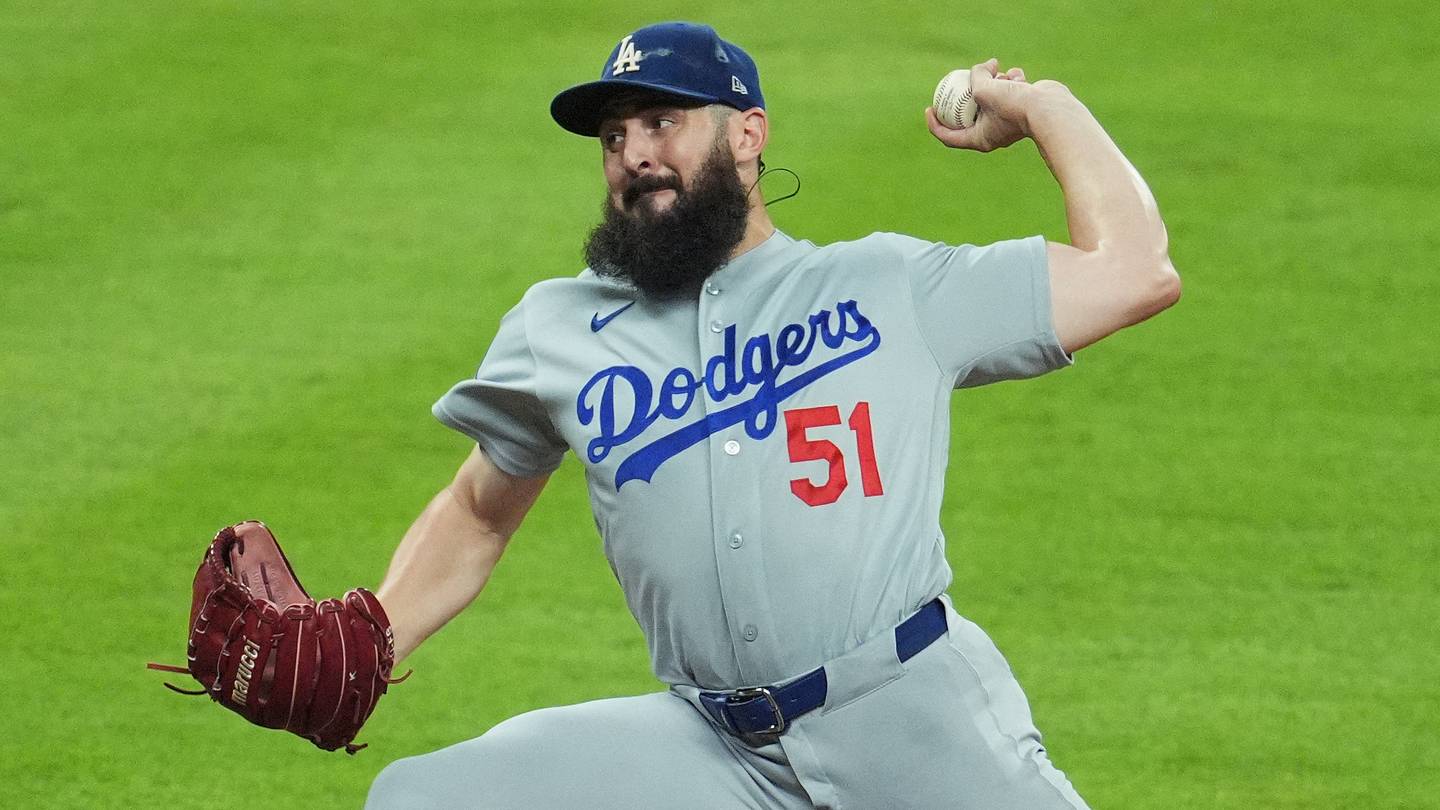
The name Dodgers doesn't come from a clever defensive play or a nimble base runner. It comes from a lethal hazard of late 19th-century urban transit. Long before the franchise moved to Los Angeles, fans in Brooklyn earned a reputation not just for supporting their local ballclub, but for surviving the chaotic web of streetcars crisscrossing their borough.
The Dangerous Transit Roots of Brooklyn
Back in the 1890s, municipal transit was undergoing a massive shift. Cities across the United States were transitioning from slow horse-drawn railcars to fast electric trolleys. Brooklyn became one of the early adopters of this high-speed technology, laying down a dense network of tracks powered by overhead electric lines.
Pedestrians accustomed to sluggish horse-drawn carriages weren't prepared for the speed of electric trolleys. People didn't instinctively look both ways, and the heavy cars couldn't stop quickly. Collisions spiked immediately. In 1892 alone, multiple pedestrians died after being struck by trolleys in Brooklyn, and casualty numbers climbed into the dozens over the next few years. Navigating city streets turned into a daily survival test, requiring quick reflexes just to cross an intersection without getting hit.
From Trolley Dodgers to a Baseball Moniker
Newspapers and sports writers of the era loved using local color to label baseball teams. Because Brooklyn fans and residents constantly dodged high-speed rail lines outside ballparks like Eastern Park, writers began calling the team the Brooklyn Trolley Dodgers.
The moniker first appeared in print during the mid-1890s. While some locals initially viewed it as a slightly derisive jab at the borough's chaotic traffic, the club and its supporters eventually embraced it. Over time, the lengthy phrase was shortened for convenience, leaving just the word Dodgers.
According to historical records from MLB, the franchise cycled through several official and unofficial names during its early decades. Before settling on Dodgers, the team was known by names such as the Atlantics, the Bridegrooms, the Grooms, the Superbas, and the Robins. Writers and fans kept using Dodgers informally, and the team finally printed it across the jersey chest in 1933.
Moving West and Preserving the Identity
When Walter O'Malley moved the franchise from New York to California ahead of the 1958 season, taking the name across the country seemed counterintuitive to some. Los Angeles was built for automobiles and lacked the dense electric trolley grid that defined 19th-century Brooklyn.
Yet the brand equity was too strong to abandon. Fans had grown attached to the blue uniforms and the unique nickname. Preserving the name maintained a direct link to the franchise's roots, even as it planted new flags on the West Coast. Today, millions of fans associate the script logo with Hollywood stars and championships, completely detached from the dangerous streetcar crossings of old New York.
Common Misconceptions About the Name
Many casual sports fans assume the team name relates to baseball strategy. It's easy to see why someone might think "dodging" applies to avoiding a tag, ducking an inside pitch, or eluding defenders on the base paths.
Another common theory suggests players earned the name because they dodged paying team dues or stadium fees in the 19th century. Neither idea holds up against historical documentation. Newspapers from the 1890s explicitly tied the term to the pedestrian foot traffic and the Brooklyn Rapid Transit infrastructure that dominated daily life in the borough.
Frequently Asked Questions
Did the Los Angeles Dodgers ever change their name after moving?
No. Despite moving across the country in 1958, the franchise kept the Dodgers name. They briefly played at the Los Angeles Memorial Coliseum before moving into Dodger Stadium in 1962.
Who were the Brooklyn Robins?
The Robins were the exact same franchise. The team was nicknamed after manager Wilbert Robinson, who led the club from 1914 to 1931. Fans and media frequently used his name instead of Dodgers during that era.
Why did Brooklyn have so many streetcar accidents?
Brooklyn was an early pioneer of electric-powered transit. Because the technology arrived faster than public safety education or pedestrian habits could adapt, accidents surged until city infrastructure and safety regulations caught up.
When did the team officially put Dodgers on their jerseys?
The club first featured Dodgers across the uniform shirt in 1933, cementing the nickname permanently after decades of using other monikers like the Superbas and Bridegrooms.



