The relocation of the Brooklyn Dodgers to Los Angeles in 1958 altered the landscape of Major League Baseball and transformed the identity of Southern California. Walter O'Malley didn't just move a ballclub across the country; he engineered a westward expansion that broke the geographic boundaries of a sport historically anchored to the Northeast. Yet, the gleaming success of Dodger Stadium stands on a foundation of intense political maneuvering, broken promises, and the displacement of a tight-knit community.
Before the ballpark rose from the hills, the area known as Chavez Ravine was home to three vibrant Mexican-American neighborhoods: Palo Verde, La Loma, and Bishop. Understanding this massive shift requires looking beyond the box scores and pennant races to examine the intersection of postwar urban renewal, political ambition, and corporate leverage.
The Breaking Point in Brooklyn
By the early 1950s, Ebbets Field was showing its age. Built in 1913, the historic Brooklyn ballpark suffered from cramped concourses, inadequate parking, and a surrounding urban layout that made expansion impossible. Walter O'Malley, who gained majority control of the franchise in 1950, recognized that the future of baseball depended on accommodating the automobile-reliant middle class.
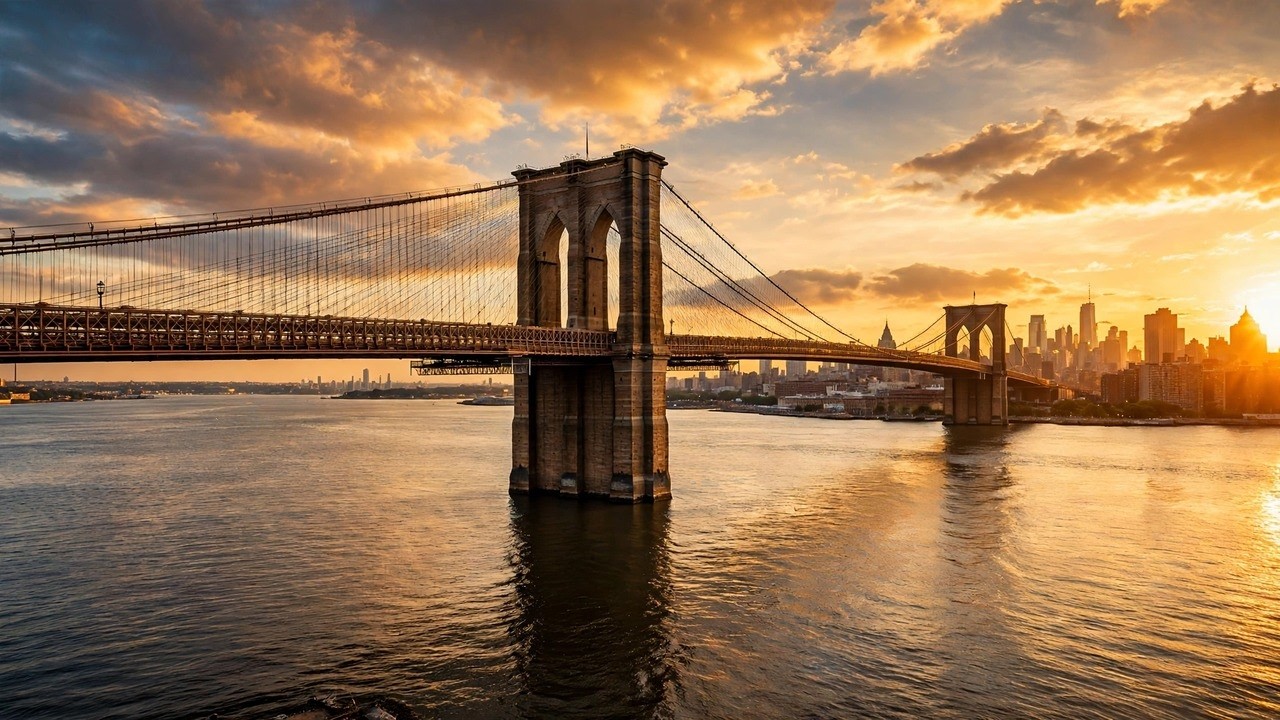
O'Malley petitioned New York City officials, led by powerful Triborough Bridge and Tunnel Authority head Robert Moses, for assistance in building a modern stadium with ample parking near the Long Island Rail Road terminal in downtown Brooklyn. Moses flatly refused. He favored a site in Flushing Meadows, Queens—which later became the home of the New York Mets—and insisted on public ownership of the stadium.
O'Malley wanted private ownership and total control over revenue streams. When New York leaders called his bluff, assuming the beloved "Dem Bums" would never leave Brooklyn, O'Malley opened secret discussions with civic leaders in Los Angeles who were desperate for major league validation.
The Acquisition of Chavez Ravine
Los Angeles city officials offered O'Malley something New York wouldn't: land, autonomy, and the promise of a climate tailor-made for baseball. To secure the franchise, the city set its sights on Chavez Ravine, a hilly canyon just north of downtown.
A decade prior, the city had designated Chavez Ravine for a federally funded public housing project designed by renowned architect Richard Neutra. Hundreds of families, roughly 85 percent of whom were Mexican-American, bought modest homes in the area because discriminatory housing covenants prevented them from purchasing property elsewhere in Los Angeles.
By the early 1950s, the political climate shifted dramatically. Amid the Red Scare and rising fears of "socialized housing," the newly elected Los Angeles Mayor Norris Poulson and the City Council turned against the public housing project. The city used eminent domain to buy out or force out residents under the pretense of clearing land for public use, paying minimal compensation.
The Eviction and the Controversy
Many residents refused to leave, sparking a bitter legal and social battle that lasted years. Families who had built deep community roots watched as their homes were condemned.
The conflict culminated in May 1959, often remembered bitterly by locals. Armed deputies and sheriff's officers forcibly evicted the remaining holdouts, including residents like Aurora Vargas, whose resistance became a symbol of the displacement. Bulldozers tore through the neighborhoods, demolishing homes, schools, and churches to flatten the canyon for construction.
The Library of Congress and historical archives preserve extensive documentation of this turbulent period, highlighting the human cost of civic modernization. O'Malley purchased the cleared land from the city under a contract that required the Dodgers to build and maintain a stadium while the city provided infrastructure and access roads.
Construction and Opening Day
Groundbreaking for Dodger Stadium began in September 1959. Engineers faced a massive topographical challenge, moving millions of cubic yards of earth to level the canyon floor and carve out seating bowls into the surrounding hills.
When Dodger Stadium officially opened on April 10, 1962, it introduced a new architectural template for baseball. Gone were the asymmetrical dimensions and cramped brick facades of older urban parks. In their place stood a sleek, pastel-hued multi-tier stadium ringed by a vast, symmetrical sea of parking spaces.
The National Baseball Hall of Fame notes that the venue instantly became a benchmark for modern stadium design, offering unobstructed sightlines, comfortable seating, and an integrated fan experience that prioritized automobile access.
Frequently Asked Questions
Why did the Brooklyn Dodgers leave New York?
Walter O'Malley wanted to build a privately financed modern stadium with massive parking infrastructure. Because New York City planners refused to grant him the prime Brooklyn land he requested, O'Malley accepted an invitation from Los Angeles officials who provided land and financial incentives.
What was Chavez Ravine before Dodger Stadium was built?
Chavez Ravine was a collection of working-class, predominantly Mexican-American neighborhoods—specifically Palo Verde, La Loma, and Bishop—where families owned homes and built tight-knit communities before the city acquired the land through eminent domain.
Did the city of Los Angeles build public housing on the site?
No. Although the land was originally acquired in the early 1950s for a federally funded public housing project, political shifts and anti-communist pressure led the city to cancel the housing plans and repurpose the land for commercial development, eventually trading it to the Dodgers.
When did the Los Angeles Dodgers play their first game at Dodger Stadium?
After playing their first few seasons in Los Angeles at the Los Angeles Memorial Coliseum, the Dodgers played their inaugural game at Dodger Stadium on April 10, 1962.



