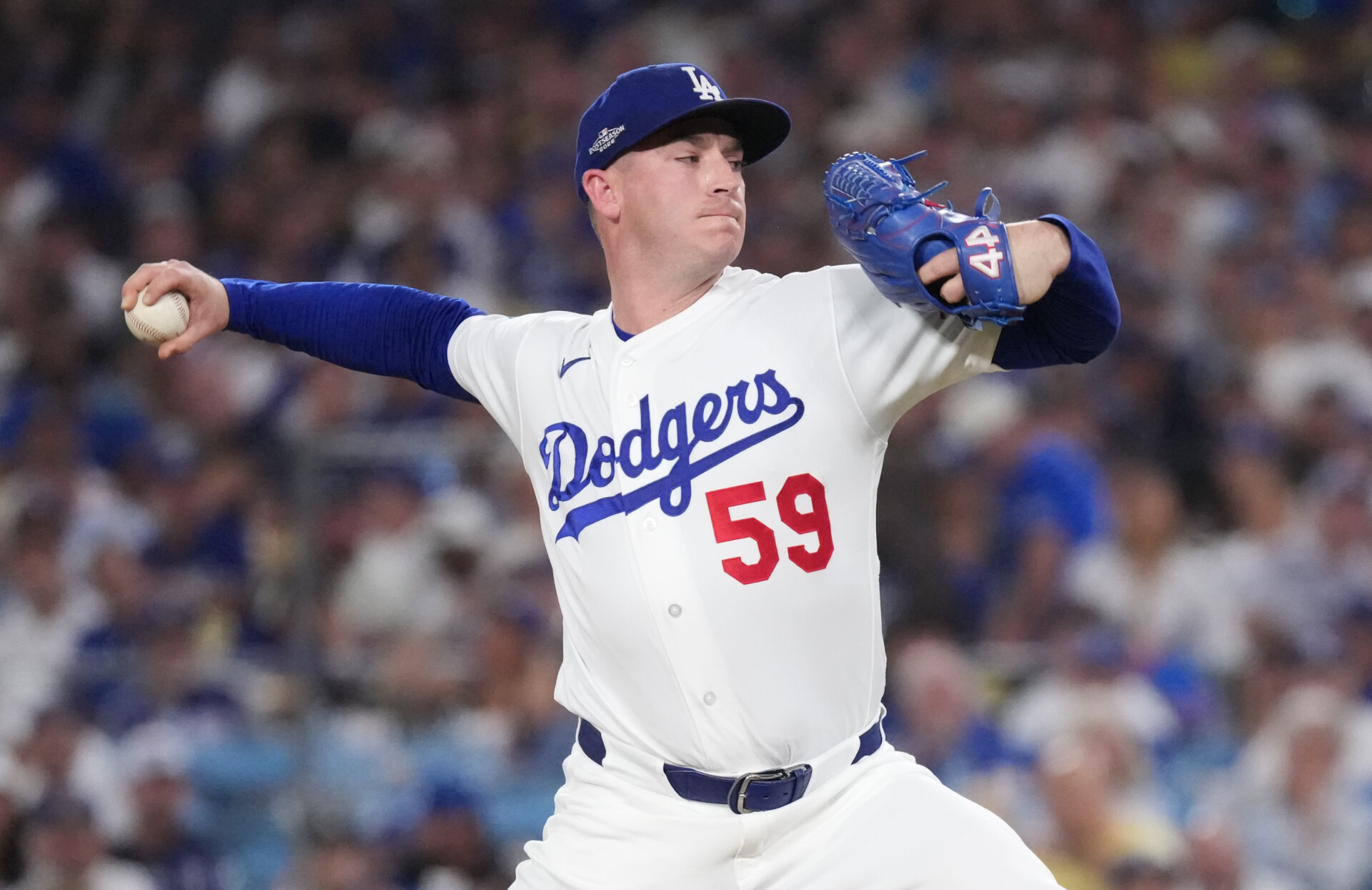
When fans spot the interlocking "LA" on a baseball cap, they see a symbol of historic franchise success. Major League Baseball sees a multi-million-dollar asset heavily guarded by strict legal instruments. Many people casually refer to this protection as a "dodgers logo copyright," but the reality of sports branding relies on a different category of intellectual property law altogether. Trademarks, trade dress, and specific statutory rights carry the real weight in keeping counterfeit merchandise off the streets and preserving the commercial exclusivity of the organization.
Understanding how Major League Baseball and Los Angeles Dodgers LLC secure their intellectual property requires looking past common misconceptions. Copyright law protects original artistic works for a limited time, but corporate logos and sports insignias depend primarily on trademark registrations filed with the USPTO. These registrations do not expire as long as the marks remain actively used in commerce. This framework grants the franchise total control over how its iconic insignia appears on apparel, broadcasts, and consumer goods.
Trademarks Versus Copyrights in Sports Branding
The distinction between copyright and trademark trips up many casual observers and creators who want to use sports imagery. A copyright protects original works of authorship, such as a photograph of a home run, a broadcast recording, or a written biography of a player. It vests automatically upon creation and fixes the work in a tangible medium.
Logos, however, function as commercial identifiers. The interlocking "LA" and the script "Dodgers" wordmark serve as badges of origin. They tell consumers that a jersey, baseball bat, or hat comes directly from official team channels or licensed partners. Because logos act as commercial sources, they require trademark protection rather than copyright protection. For another perspective on this development, check out the latest coverage from Reuters.
Trademarks endure indefinitely through continuous commercial use and regular filings with federal agencies. Los Angeles Dodgers LLC maintains active trademark portfolios covering dozens of distinct classes, ranging from athletic apparel and toys to broadcast services and metal products. If the team relied solely on copyright law, protection would eventually lapse, leaving the visual identity vulnerable to public domain use decades down the line.
The Evolution and Registration of the Dodgers Visual Identity
The visual history of the franchise spans over a century, evolving alongside professional baseball itself. While the team originated in Brooklyn before moving to the West Coast in 1958, elements of its branding roots stretch back generations. The iconic interlocking "LA" symbol and distinctive script lettering were registered and renewed across multiple decades to secure commercial dominance.
Federal trademark filings establish a legal presumption of ownership nationwide. When the franchise files a registration for its team name or insignia under specific commerce classifications, it puts potential infringers on notice. For example, Registration #1527788 covers the core brand elements for use on clothing like caps, shirts, and sweatshirts, ensuring unauthorized third parties cannot profit off the team's goodwill.
Enforcing these rights involves monitoring the marketplace for unauthorized replicas. Major League Baseball Advanced Media and team legal teams actively police online marketplaces, physical retail hubs, and independent print-on-demand shops. Unauthorized vendors selling custom merchandise stamped with team logos face swift cease-and-desist letters or federal infringement lawsuits.
Authorized Licensing and Commercial Exclusivity
The immense economic value of the franchise brand depends heavily on controlled distribution. Major League Baseball enters into massive licensing agreements with global manufacturers like Nike, New Era, and Fanatics. These partners pay substantial fees for the exclusive right to produce authentic on-field gear and retail merchandise.
When unauthorized creators print bootleg merchandise, they bypass the licensing ecosystem that funds player salaries, stadium upkeep, and league operations. This dynamic explains why legal shields must remain aggressive. If a brand fails to police unauthorized usage of its trademarks, it risks losing its legal distinctiveness through a process known in legal circles as genericide or abandonment.
Fans often wonder if creating fan art crosses legal lines. While painting a portrait of a player falls under various artistic protections or fair use doctrines depending on the context, stamping the trademarked team logo onto commercial prints or handmade goods creates immediate liability. The commercial application of the logo triggers trademark infringement concerns regardless of whether the seller operates a small independent shop or a large enterprise.
Common Mistakes and Misconceptions About Sports IP
Navigating the rules of sports intellectual property leads to frequent errors by small business owners and creators. Recognizing these pitfalls helps prevent costly legal disputes.
- Assuming fair use applies to commercial items: Using a protected logo on t-shirts or mugs for sale does not qualify as fair use, even if the artwork features hand-drawn elements.
- Believing social media usage is exempt: Sharing promotional content or running business pages featuring unauthorized team logos to drive engagement still constitutes trademark misuse.
- Confusing public domain with team history: Just because a photo or team name is old does not mean its commercial trademarks are free for public use.
- Relying on the "homage" defense: Altering a logo slightly by changing a color scheme or substituting a letter rarely shields a creator from trademark dilution or infringement claims.
Frequently Asked Questions
Can I use the Dodgers logo on custom t-shirts if I am not selling them?
Making a single custom item for personal use without commercial intent carries a lower enforcement profile, but printing items to distribute among friends or wear at events still technically violates trademark and merchandising rights.
How long do sports trademarks last?
Unlike copyrights, which expire decades after the creator's death, trademarks last indefinitely as long as the owner continues to use them in commerce and files the required renewal paperwork with trademark offices.
What happens to bootleg merchandise seized by legal teams?
Unauthorized merchandise identified as counterfeit or infringing is typically confiscated during enforcement sweeps and destroyed under federal intellectual property guidelines.
Does the team own the rights to the color blue used in their branding?
While color combinations can function as part of trade dress when uniquely associated with a brand, trademark protection applies to the specific arrangement of logos, wordmarks, and distinctive designs rather than a standalone color.


