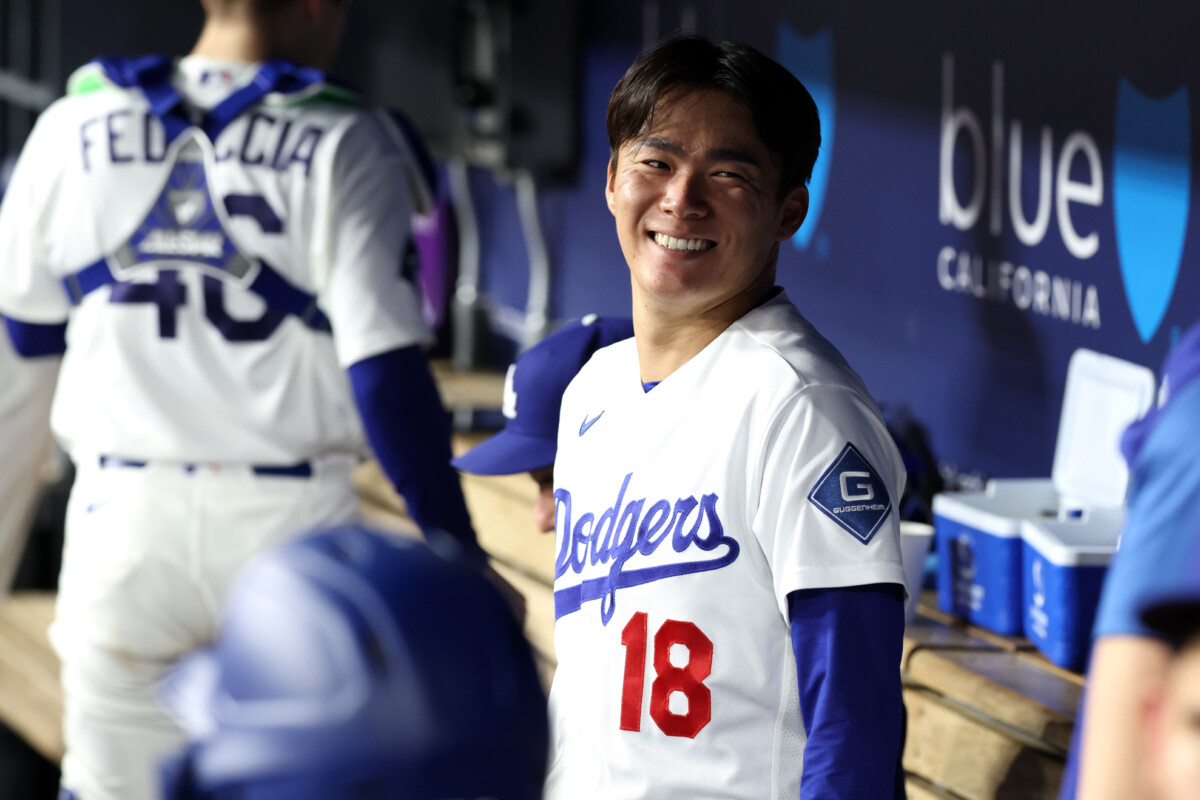
Using sports branding without permission invites rapid legal pushback. If you're planning to print merchandise, design custom graphics, or launch a fan site, understanding dodgers logo copyright boundaries keeps you out of federal court. Major League Baseball aggressively guards its intellectual assets, and crossing the line can lead to severe financial penalties.
The core misconception lies in confusing copyright law with trademark law. The distinctive script and interlocking letters aren't protected merely as static artistic works under copyright; they function primarily as federally registered trademarks owned by Los Angeles Dodgers LLC. Selling unauthorized shirts, mugs, or digital assets featuring these protected symbols violates trademark statutes, which protect commercial identifiers from causing consumer confusion.
Trademarks Versus Copyrights in Sports Branding
Intellectual property consists of different legal shields. Copyright protects original artistic expressions, such as a photograph of a home run or an oil painting of a stadium. Trademarks protect words, phrases, symbols, or designs that identify the commercial source of goods or services.
The famous script wordmark and the interlocking monogram are registered trademarks. This status means the franchise holds exclusive commercial rights across numerous categories, including apparel, accessories, and entertainment services.
- Source Identification: Trademark law prevents third parties from selling items that might trick buyers into thinking the merchandise is official team gear.
- Duration and Renewal: Unlike copyrights, which eventually expire, trademarks can endure indefinitely as long as the owner continues using and defending them in commerce.
- The "Trade Dress" Concept: The visual presentation of uniforms, color schemes, and distinctive layouts also falls under trade dress protection, meaning you cannot bypass rules simply by altering minor design elements.
Common Traps That Trigger Legal Action
Many creators assume small-scale operations fly under the radar. Automated enforcement tools scan online marketplaces daily, flagging unauthorized items within hours of listing.
Selling custom hoodies or decals on platforms like Etsy or Redbubble without an official license constitutes trademark infringement. Even if you draw the script by hand rather than copy-pasting a digital file, the resemblance creates consumer confusion, which violates federal guidelines.
Another frequent mistake involves sports bars or local businesses using team imagery in promotional materials. Displaying the interlocking symbols on flyers, social media ads, or storefront signage to draw crowds implies an official sponsorship or endorsement that does not exist.
Fair Use and Protected Exceptions
Navigating intellectual property rules requires knowing where lawful freedom begins. The First Amendment and statutory fair use provisions allow certain forms of expression without team consent.
- Editorial and News Reporting: Journalists, bloggers, and book authors can discuss the team, show game photographs, and use team names to report news or provide commentary.
- Parody and Satire: Transformative works that mock or critique public entities enjoy broad protection, provided they don't mislead consumers into buying commercial goods under false pretenses.
- Personal Fan Art: Creating a digital drawing for personal enjoyment or posting it non-commercially usually avoids liability, though selling prints or putting that art on merchandise crosses a legal boundary.
How to Handle Custom Fan Projects Legally
If you want to celebrate your fandom through creative work, you must stay on the safe side of compliance. Never manufacture physical goods for sale using team identifiers unless you secure an official licensing agreement through USPTO records and MLB properties.
Focus on generic baseball themes, city pride elements that don't mimic team fonts, or abstract designs. If your business model relies on leveraging another entity's fan base and brand equity, you are inviting a cease-and-desist letter or a civil lawsuit carrying massive statutory damages.
Frequently Asked Questions
Can I use the team name in a blog post or article?
Yes. Mentioning team names, historical scores, or player rosters in editorial content, news commentary, or fan blogs falls under nominative fair use, as long as the layout doesn't falsely imply team endorsement.
What happens if I receive a cease-and-desist letter?
Take the notice seriously. Continuing to sell infringing merchandise after receiving formal warning from legal counsel can transform standard infringement into willful violation, vastly multiplying financial penalties. Remove the listings immediately and consult a qualified intellectual property attorney.
Is hand-drawn fan art exempt from trademark rules?
No. The medium doesn't matter if the final product serves a commercial function. Selling hand-drawn stickers, prints, or shirts featuring protected logos still constitutes trademark infringement because it creates marketplace confusion.
Can I use team colors without infringing?
Using standard color combinations alone generally does not trigger liability, because individual colors are rarely protectable in isolation. However, combining specific color palettes with protected fonts and distinctive layouts crosses into trade dress infringement.


