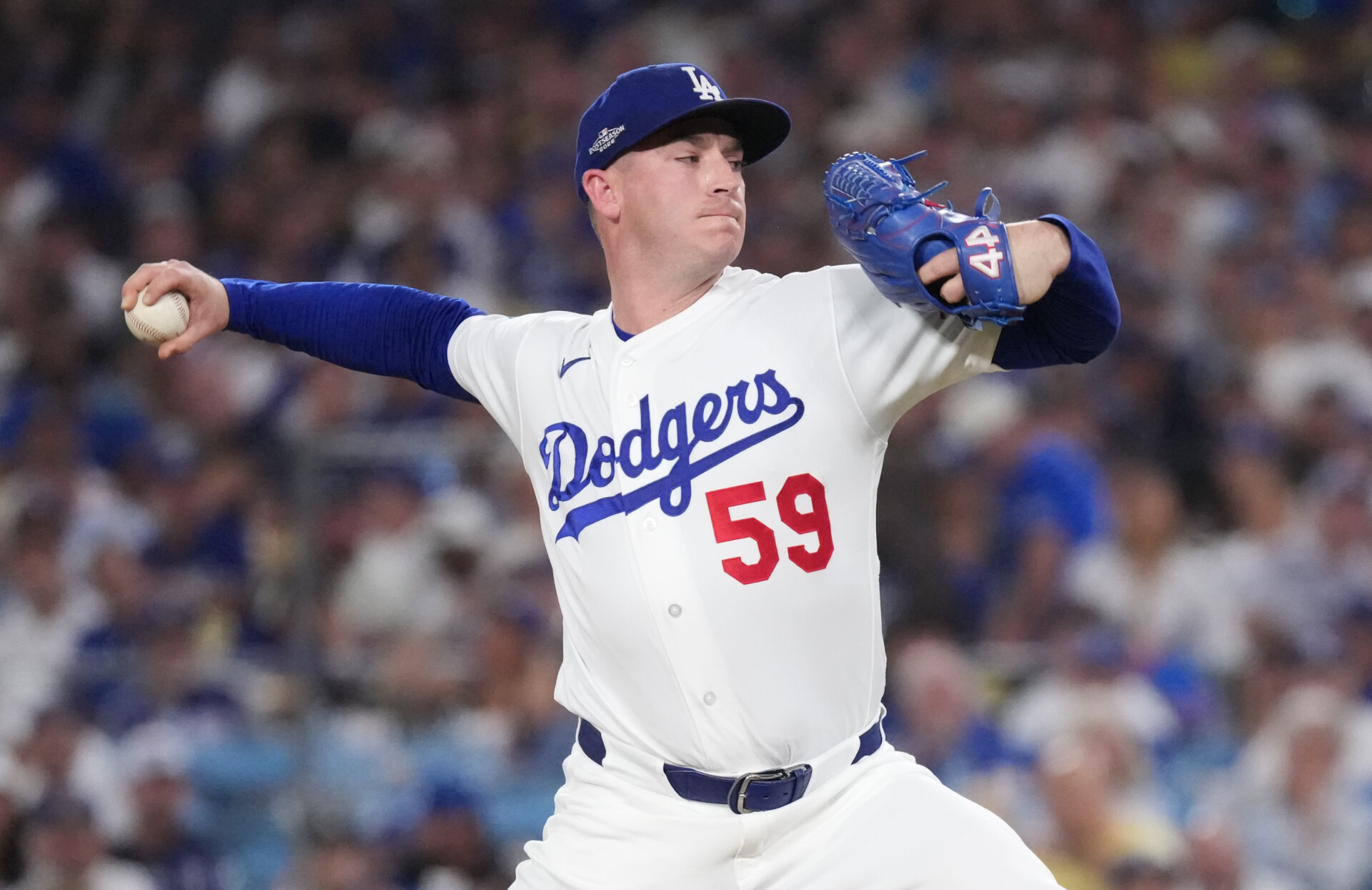
Catching up on Los Angeles Dodgers game highlights means looking past the final box score to examine the plays that shifted momentum, defined rivalries, and carried the club through high-stakes matchups. Every successful baseball run relies on a precise blend of clutch hitting, lockdown pitching, and defensive execution. When you dissect the most electrifying sequences from the season, patterns emerge that explain how championship contenders handle pressure.
Examining these standout moments requires breaking down the individual performances, strategic shifts, and tactical decisions that turn close games into decisive victories. Let's look at how the Dodgers construct these statement wins, what the key statistics reveal, and how modern baseball analysis captures the rhythm of an 162-game schedule.
Anatomy of a Momentum-Shifting Play
A single inning can alter the trajectory of an entire series. Whether it's a two-out rally sparked by a patient at-bat or a leaping catch at the wall that robs an opponent of extra bases, these moments dictate the flow of competition.
When analyzing high-leverage situations, managers often look for specific indicators:
- Count leverage: Hitters capitalizing on fastball counts by driving balls into the gaps.
- Defensive positioning: Infielders shifting correctly to turn inning-ending double plays.
- Bullpen management: Relievers entering mid-game jams and locating breaking pitches below the zone.
Small ball frequently sets the stage for power displays. Manufacturing a run through consecutive singles, a stolen base, and a productive groundout puts immediate pressure on opposing pitchers. Once the defense stretches to cover gaps or protect against bunts, middle-of-the-order bats find pitches they can drive. You can track official league mechanics and rule interpretations directly through MLB.
Pitching Dominance and Defensive Execution
Offense draws the loudest cheers, but pitching staffs dictate sustained success. High-strikeout performances from starting pitchers deflate opposing dugouts early. When a starter commands the outer half of the plate and pairs a mid-90s fastball with a sharp breaking ball, hitters lose their timing.
Consider how elite pitching performances unfold over six or seven innings:
- First-pitch strikes establish command and force hitters to chase pitches off the plate.
- Efficient pitch counts allow starters to navigate the lineup a third time without exposing the bullpen too early.
- Defensive backing keeps pitch counts low by turning routine plays and occasional web gems into quick outs.
Outfielders covering expansive gaps prevent extra-base hits that turn into rallies, while infielders maintain clean footwork around the bag. To explore historical baseball data and comprehensive player metrics, check out Baseball Reference.
Decoding the Box Score Beyond the Runs
Looking strictly at runs scored hides the underlying metrics that predict future success. Analysts focus on hard-hit rates, chase percentages, and bullpen workload.
When a team puts up a multi-run inning, it's rarely an accident. It usually stems from worn-down pitchers missing spots after extended pitch sequences. Tracking these trends helps fans understand why certain batters excel in clutch scenarios while others struggle against velocity.
Common indicators of a well-played game include a favorable walk-to-strikeout ratio, minimal defensive miscues, and high conversion rates with runners in scoring position. Teams that limit free passes and capitalize on opponent errors consistently secure division leads.
Frequently Asked Questions
How are modern MLB game highlights tracked and analyzed?
Broadcasters and analysts use optical tracking systems to measure exit velocity, launch angle, and defensive range. These metrics provide a deeper understanding of why a ball was caught or hit hard, moving beyond basic batting averages.
What defines a high-leverage baseball situation?
A high-leverage moment occurs late in a game—typically from the seventh inning onward—where the score is close, and runners are on base. The outcome of these specific plate appearances dramatically alters win probability for both teams.
Why do managers rely on pitching matchups in late innings?
Managers use specialized relievers to exploit platoon advantages (left-handed batter versus left-handed pitcher) or to neutralize specific swing paths. This tactical chess match often decides tight playoff games.
How do defensive shifts affect modern game highlights?
Even with defensive alignment restrictions, positioning and athleticism remain paramount. Outfielders play deep or shallow based on hitter tendencies, turning potential home runs into routine flyouts.



