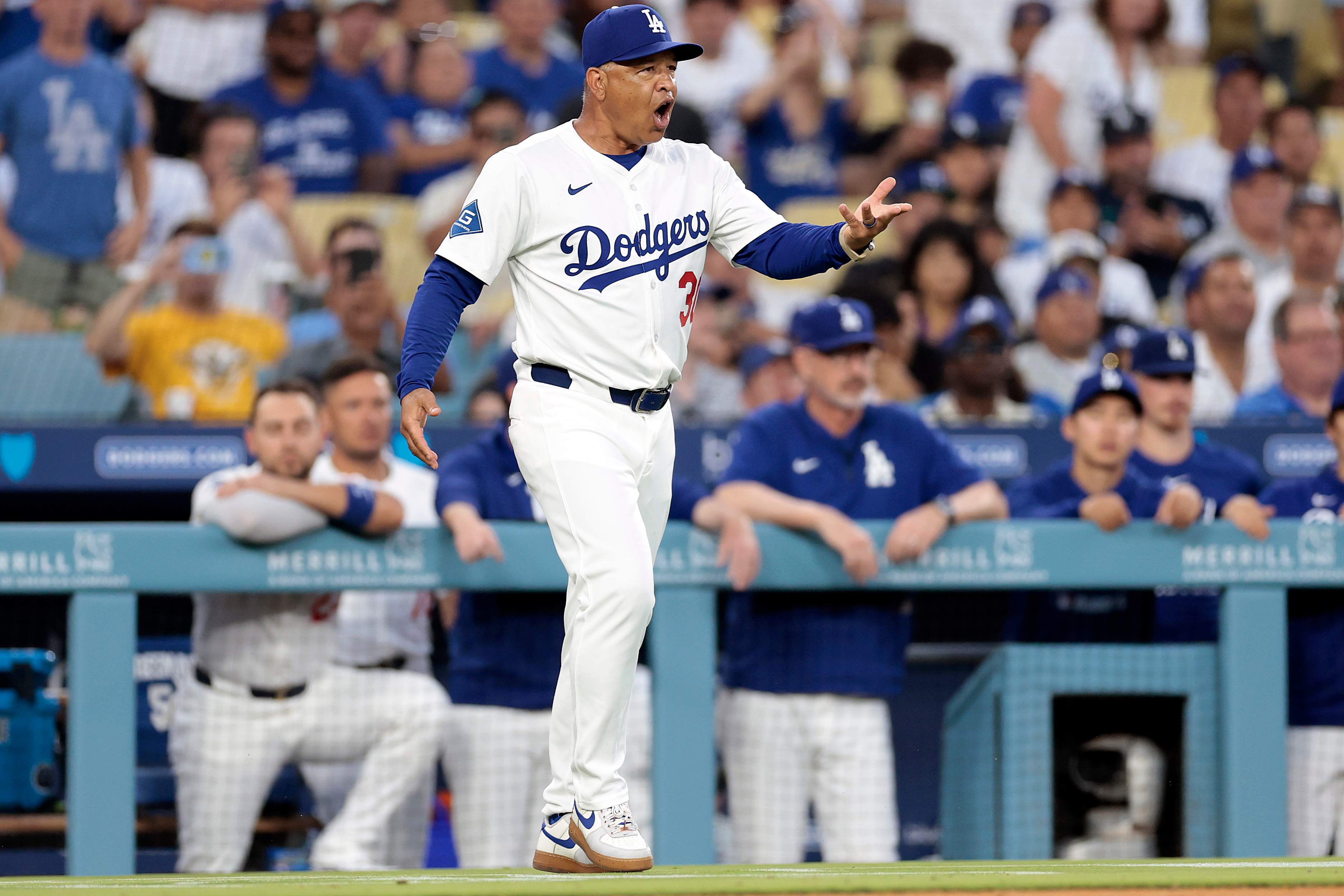
When Guggenheim Baseball Management purchased the Los Angeles Dodgers in 2012 for a record $2.15 billion, controlling owner Mark Walter inherited more than just a storied franchise. He took charge of Dodger Stadium, a mid-century architectural gem that opened in 1962. While the ballpark retained its classic charm, decades of wear meant it needed structural modernization to compete with newer MLB venues. Walter and the ownership group funded major multi-phase projects, highlighted by a $100 million overhaul completed ahead of the 2020 season.
Understanding how this transformation happened requires looking past surface-level aesthetics. Walter's financial backing enabled sweeping infrastructure replacements, technological overhauls, and the creation of the Centerfield Plaza, shifting the stadium from a pure viewing box into an integrated modern entertainment hub.
Financing the Vision: The Role of Ownership
Capital allocation is where Mark Walter's influence on the franchise stands out. Unlike teams dependent on public subsidies or bonds, the Guggenheim group financed stadium improvements directly. This private funding model insulated the organization from political friction and municipal tax debates.
Walter's background as chief executive officer of Guggenheim Capital shaped a disciplined approach to asset appreciation. Rather than treating the ballpark as a static expense, ownership viewed stadium updates as a way to enhance fan retention, boost merchandise sales, and increase overall franchise value. Team president Stan Kasten and architect Janet Marie Smith executed this vision, balancing modern fan expectations with the distinctive aesthetic designed by Emil Praeger in the early 1960s.
Core Elements of the Major Overhaul
The construction project targeted functional bottlenecks that had frustrated visitors for years. Planners divided the improvements into several distinct operational categories.
- The Centerfield Plaza: The project's centerpiece replaced a disconnected parking and entry layout with a vibrant 2-acre gathering space. It united the stadium's previously isolated outfield pavilion areas.
- Audio and Visual Systems: Old speaker towers gave way to a modern, highly directional sound setup that minimized sound bleed outside Chavez Ravine. New 10mm 1080p LED video boards expanded active viewing area significantly while honoring the historic hexagonal scoreboard shape.
- Concession and Restroom Expansion: Crews added self-service kiosks to reduce wait times, alongside expanded family restrooms and upgraded accessibility features across all seating tiers.
- Electrical and Connectivity Grids: An entirely new power grid featuring seven dedicated substations supported a stadium-wide Wi-Fi network and cellular antenna system built in partnership with Major League Baseball Advanced Media.
Sustainability and Infrastructure Upgrades
Behind the fan-facing amenities, significant capital went into unseen structural engineering. The stadium integrated energy-efficient lighting grids, low-flush plumbing fixtures, and waterless urinals to curb resource consumption.
For further details on historical milestones, read the SABR Dodger Stadium History. To explore official team updates regarding stadium accessibility and seating tiers, check the MLB Dodger Stadium Upgrades Guide.
Common Misconceptions About the Project
Several myths persist regarding how these capital improvements were planned and executed.
- Myth: Public taxpayers funded the construction. In reality, Guggenheim Baseball Management absorbed the entire cost privately, avoiding public debt.
- Myth: The original mid-century architecture was completely demolished. Smith and Walter intentionally preserved the iconic pastel color palette, hexagonal scoreboards, and distinct roof lines, opting for restoration over replacement.
- Myth: Renovations stopped after 2020. Upgrades continued in subsequent seasons, including the installation of the Sandy Koufax statue in 2022 and ongoing club level enhancements.
Frequently Asked Questions
Who primarily funded the Dodger Stadium renovations?
The projects were financed entirely by the team's ownership group, led by controlling owner Mark Walter and Guggenheim Baseball Management, without utilizing public tax dollars.
What was the total cost of the major pre-2020 upgrade?
The comprehensive overhaul centered around the new Centerfield Plaza cost approximately $100 million.
How did the renovations affect stadium capacity?
While total seating capacity shifted slightly due to the addition of standing-room plazas, social areas, and new loge seating, the layout successfully improved crowd flow without sacrificing the ballpark's historic intimacy.
Were structural changes made to the seating bowls?
The original concrete seating bowl remained intact, as engineers prioritized concourse expansion, seismic retrofitting, and technology integration over altering the core seating structure.



