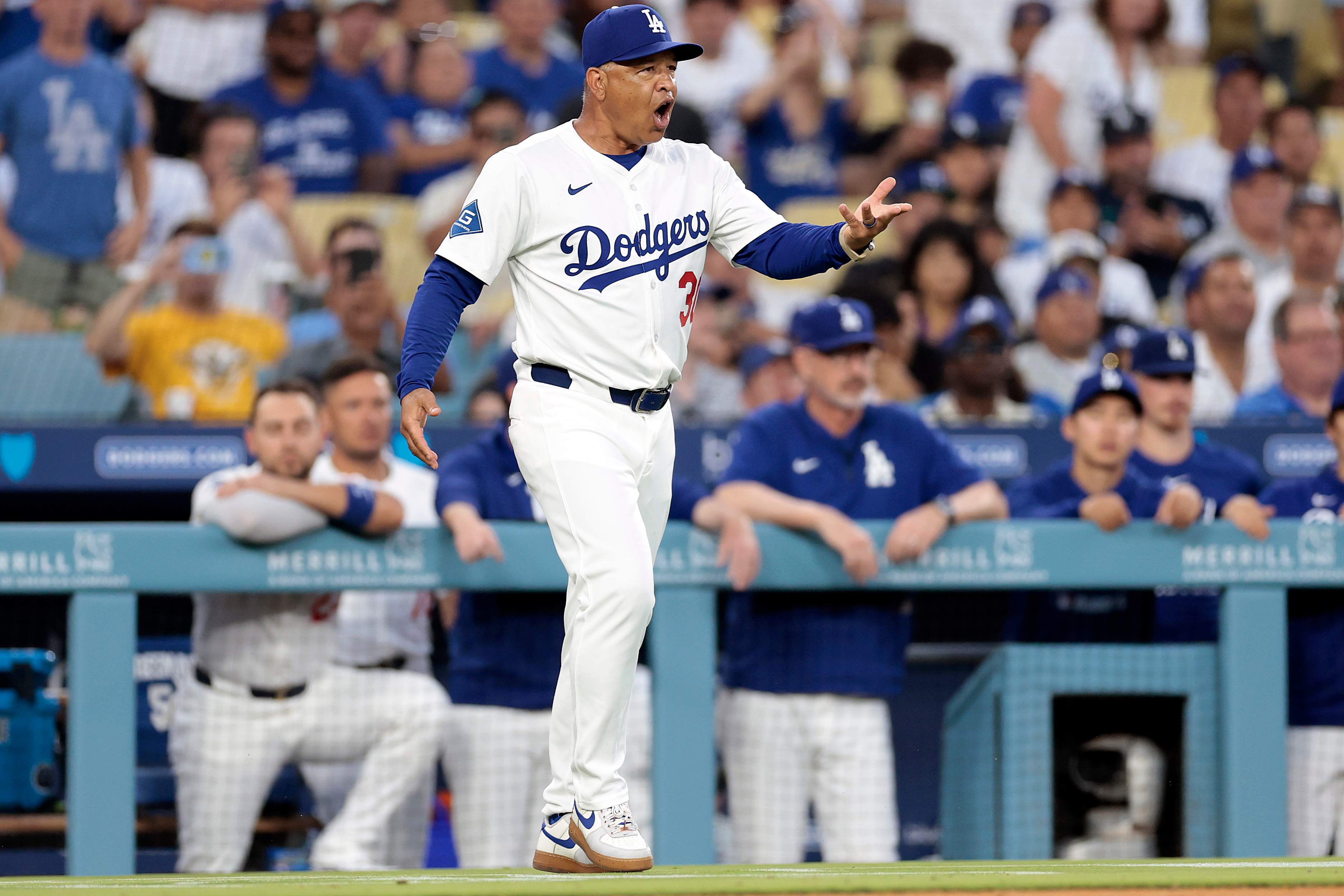
Nestled in the historic hills of Chavez Ravine, Dodger Stadium stands as a monument to baseball heritage and mid-century modern design. Opened in April 1962, it remains the third-oldest continuously operating ballpark in Major League Baseball, trailing only Wrigley Field and Fenway Park. It's a place where iconic moments, breathtaking views of the downtown Los Angeles skyline, and distinct architectural flair converge. If you're planning a visit or want to understand what makes this venue legendary, looking past the surface reveals a fascinating story of ambition, design, and cultural impact.
Long before the first pitch was thrown in Chavez Ravine, the franchise's move from Brooklyn to Los Angeles reshaped the landscape of American sports. Team owner Walter O'Malley envisioned a modern, accessible, and privately financed stadium that would break away from the cramped urban ballparks of the East Coast. What emerged was an engineering marvel built directly into the hillside, setting a new standard for stadium construction and fan comfort that still resonates more than six decades later.
The Vision and Construction of Chavez Ravine
The journey to Dodger Stadium began when Walter O'Malley sought land to build a state-of-the-art facility with ample parking, a stark contrast to the tight confines of Ebbets Field. The city of Los Angeles agreed to acquire land in Chavez Ravine, setting the stage for a massive earthmoving project. Engineers carved millions of cubic yards of earth from the hills to create a stable, amphitheater-style bowl.
The structural design was entrusted to Captain Emil Praeger, an engineer who utilized an innovative terraced seating configuration. Instead of traditional multi-deck structures that blocked views, the stadium design allowed fans to enter each of the six seating levels directly at grade from the surrounding parking areas. This clever top-loading approach eliminated long ramp walks and elevator bottlenecks, making entry and exit remarkably efficient.
- Private Financing: Built entirely with private funds, costing roughly twenty-three million dollars at the time.
- Earthmoving Feat: Over eight million cubic yards of earth were moved to shape the Chavez Ravine bowl.
- Direct Access: Terraced parking lots wrapped around the perimeter, placing vehicles adjacent to corresponding seating tiers.
Architectural Features and Mid-Century Aesthetic
Dodger Stadium is a masterclass in mid-century modern architecture. From its distinctive pastel color palette—featuring shades of yellow, turquoise, orange, and coral—to the wavy, scalloped roofs atop the outfield pavilions, the venue captured the optimistic spirit of 1960s Southern California.
The stadium's symmetry is another defining trait. Unlike many modern ballparks that feature quirky dimensions to fit tight urban footprints, Dodger Stadium maintains a classic, balanced layout. The outfield fences sit at symmetrical distances from home plate, though the playing conditions possess a unique environmental quirk known as the marine layer. As evening arrives, cool air rolls in from the Pacific Ocean, increasing air density and frequently turning deep fly balls into warning-track outs. This phenomenon historically cemented its reputation as a pitcher-friendly environment, where legends like Sandy Koufax and Don Drysdale thrived.
Renovations over the years have modernized the infrastructure without stripping away its retro charm. The addition of the Centerfield Plaza transformed the entrance into an immersive fan zone, complete with food spots, interactive exhibits, and a massive statue honoring the barrier-breaking legacy of Jackie Robinson.
Unforgettable Historic Moments
Over the decades, Dodger Stadium has hosted twelve World Series, numerous All-Star Games, and historic cultural events. It witnessed Sandy Koufax pitch a perfect game in 1965, Kirk Gibson hit his iconic pinch-hit home run in the 1988 World Series, and Fernando Valenzuela ignite "Fernandomania" with his rookie heroics in 1981.
Beyond baseball, the venue has served as a massive cultural gathering space. Pope John Paul II celebrated mass there in 1987, and legendary musical acts—including The Beatles, The Rolling Stones, and Michael Jackson—performed massive stadium concerts that pushed the limits of outdoor sound production.
Maximizing the Fan Experience Today
Attending a game at Dodger Stadium involves more than just watching nine innings; it's an LA ritual. To make the most of your trip, preparation is key, especially given the heavy traffic surrounding the Chavez Ravine area.
- Secure Parking in Advance: Buy your parking pass online before arriving. It's significantly cheaper than paying at the gate and streamlines entry.
- Arrive Early: Gates open two hours before game time. This gives you ample opportunity to explore the Centerfield Plaza, grab food, and watch batting practice without rushing.
- Try the Classics: No trip is complete without ordering a Dodger Dog, the iconic grilled or steamed frankfurter served at concession stands across the concourse.
- Explore the Club Level: If you have access, check out the memorabilia and historical displays showcasing the franchise's Brooklyn roots and Los Angeles milestones.
- Plan Your Exit: Traffic leaving the parking lots after a sellout game can take time. Stick around for a few minutes after the final out to let the initial rush clear out.
For a deeper dive into the venue's operational history, you can read more about the team's background on the Official Los Angeles Dodgers Website.
Common Mistakes to Avoid
Visitors often make a few avoidable missteps that detract from their ballpark experience. First, don't underestimate LA traffic. Trying to arrive right at game time will likely cause you to miss the first couple of innings. Second, remember that Dodger Stadium is a cashless venue; bring a credit card or mobile payment option for food, drinks, and merchandise. Finally, don't ignore the weather shift. While daytime games feature intense Southern California sunshine, night games cool down quickly once the sun drops behind the outfield pavilion, making a light jacket or hoodie a smart packing choice.
Frequently Asked Questions
What is the seating capacity of Dodger Stadium?
Dodger Stadium has an official seating capacity of 56,000 people, making it the largest baseball-specific stadium in Major League Baseball by seat count.
Can you take stadium tours on non-game days?
Yes, the organization offers comprehensive daily tours that grant access to restricted areas like the press box, the trophy gallery, and select field-level locations, providing a thorough look at the park's history and architecture.
How do I get to Dodger Stadium using public transit?
The Dodgers offer the Dodger Stadium Express, a free bus service running from Union Station and the South Bay before and after every home game, connecting fans directly to the ballpark without the hassle of driving.
Why is Dodger Stadium considered pitcher-friendly?
The stadium's reputation stems largely from the evening marine layer. As cool air pushes inland from the Pacific Ocean during night games, the denser air slows down traveling baseballs, turning potential home runs into routine outfield fly balls.



