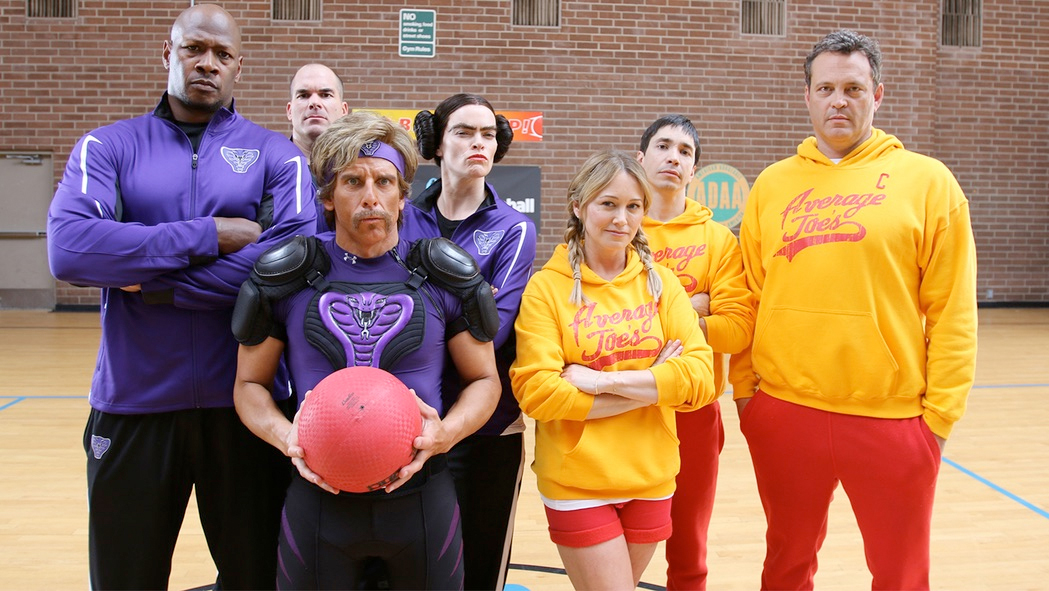
When Dodgeball: A True Underdog Story hit theaters in the summer of 2004, few expected a low-budget sports spoof about a ragtag group of misfits to become a defining cult classic of the decade. Directed by first-time feature filmmaker Rawson Marshall Thurber, the film relied on a delicate balance of absurd physical comedy, sharp deadpan delivery, and a cast who fully committed to the madness. Behind the bright yellow headbands and gym uniforms lies a meticulous casting process, physical injuries, and script changes that shaped the movie we know today.
Understanding how this comedy came together requires looking past the final cut and examining the pre-production boot camps, the accidental on-set injuries, and the creative risks taken by 20th Century Fox. From Ben Stiller channeling past performances to Vince Vaughn anchoring the straight-man role, the film's success was forged through intense collaboration and unexpected production hurdles.
The Genesis and Custom-Written Roles
Rawson Marshall Thurber didn't just direct the script; he wrote it with specific actors squarely in mind. Unlike many Hollywood productions where casting is a lengthy game of musical chairs, Thurber envisioned Vince Vaughn as the laid-back Peter La Fleur and Ben Stiller as the egomaniacal fitness tyrant White Goodman from day one.
Stiller, who also produced the film through his banner Red Hour Productions, recognized immediate thematic overlap with another cult comedy he starred in, 1995's Heavyweights. Playing White Goodman allowed Stiller to lean into a heightened version of his Tony Perkis persona—an intensely aggressive fitness zealot obsessed with power and image. Additional journalism by Bloomberg delves into related perspectives on the subject.
Justin Long was cast as Justin Redman largely because Thurber had noticed his comedic timing in Galaxy Quest. Meanwhile, characters like Steve the Pirate, played by Alan Tudyk, underwent intense script scrutiny. Tudyk famously warned the director that a pirate character made zero logical sense in a modern gym comedy, yet his unhinged commitment became one of the film's most memorable elements.
The Physical Toll of Dodgeball Boot Camp
To prepare for the physical demands of the tournament scenes, the core cast underwent weeks of rigorous dodgeball training. Stiller has noted that while playing dodgeball feels nostalgic and fun at age eight, doing it repeatedly at nearly 40 years old is entirely exhausting.
The training and filming environment came with literal battle scars:
- The Wrench Incident: During the infamous training montage where Patches O'Houlihan throws tools at the team, Justin Long took a direct hit above the eye from a hard rubber wrench. The impact split his eyebrow open, leaving a real scar and causing a minor concussion. Crew members pulled Long from driving duty at the end of the day because he was disoriented.
- Spousal Crossfire: Christine Taylor, who played Average Joe's team member Kate Veatch and is married to Stiller, was accidentally struck in the face with a rubber ball by her husband twice—once during boot camp and once during the final match. Both incidents temporarily strained household peace, sending the couple right back to junior high dynamics.
- Exhaustion on Set: Taylor was juggling childcare for an 18-month-old at home while shooting grueling long hours, often falling asleep between takes.
Scrapped Scenes and Last-Minute Cameos
The theatrical cut of Dodgeball walks a fine line between PG-13 absurdity and edgy satire, but early drafts featured concepts that pushed the envelope even further.
In original script drafts, Fran Stalinovskovichdavidovitchsky—the formidable member of the Purple Cobra team—was written as a literal cyborg, complete with a mechanical face and detachable traits, though Thurber ultimately scrapped the sci-fi angle to keep the film grounded. White Goodman's bizarre sequence interacting with a slice of pizza and a laptop was also dialed back from a much more explicit conceptualization that test audiences found jarring.
Several iconic cameos came together through sheer coincidence or networking:
- David Hasselhoff: The actor who coaches the German national team was not in the original script. Stunt coordinator Alex Daniels happened to know Hasselhoff personally and floated the idea to Thurber days before shooting that sequence.
- Lance Armstrong: Fresh off reading Armstrong's autobiography, Stiller and Thurber brainstormed the ultimate inspirational figure for Peter La Fleur to encounter during his crisis of faith. Armstrong agreed to fly in for a quick, self-deprecating cameo that lent the film a sharp satirical edge regarding sports celebrity culture.
- Patton Oswalt: The comedian provided uncredited voice work throughout the film, including the video store clerk and the cooking show host, adding texture to the movie's background audio jokes.
For a deeper look into the studio context and box office performance, visit the Box Office Mojo profile for Dodgeball. To explore the director's subsequent career path in action and comedy, check out Rawson Marshall Thurber's IMDb page.
Common Mistakes in Sports Comedies to Avoid
Writers and indie filmmakers attempting to replicate the lightning-in-a-bottle success of Dodgeball often stumble into common traps. Recognizing these pitfalls clarifies why Thurber's script succeeded where many studio parodies fail:
- Over-satirizing without stakes: A parody movie collapses if the audience doesn't care whether the underdogs win. Dodgeball anchors its absurdity with a genuine high-stakes premise: save the local community gym or lose it to a corporate monolith.
- Casting influencers over actors: While Dodgeball utilized athletes like Lance Armstrong for quick, specific gags, the heavy lifting was done entirely by seasoned comedic actors who understood timing, reaction shots, and deadpan delivery.
- Relying on pop-culture references alone: Slapstick or dated trends age poorly. Dodgeball endures because its humor targets universal human ego, corporate greed, and absurdity within institutional sports culture.
Frequently Asked Questions
Was Average Joe's Gym a real place?
No, Average Joe's Gym was a constructed set built for the production. The uniform color palette and aesthetic were deliberately chosen as an homage to the classic 1986 basketball film Hoosiers, whose director, David Anspaugh, was a friend of Stiller and Vaughn.
Did the actors actually throw real sports equipment during training?
While the training scenes featured rubber stunt tools and softballs, getting hit repeatedly by dense rubber balls at high velocity caused real bruises, minor concussions, and accidental cuts among the cast members.
Why did the film take so long to get a sequel greenlit?
Discussions around a follow-up circulated at 20th Century Fox for years, but aligning the busy schedules of Vince Vaughn, Ben Stiller, and studio executives proved difficult. Audiences can read more about franchise developments via The Hollywood Reporter.
Is Patches O'Houlihan's gym quote historically accurate to real dodgeball?
The film plays fast and loose with actual athletic regulations. Competitive dodgeball governed by organizations like the World Dodgeball Federation utilizes entirely different court dimensions, ball pressures, and rules than the chaotic tournament depicted on screen.



