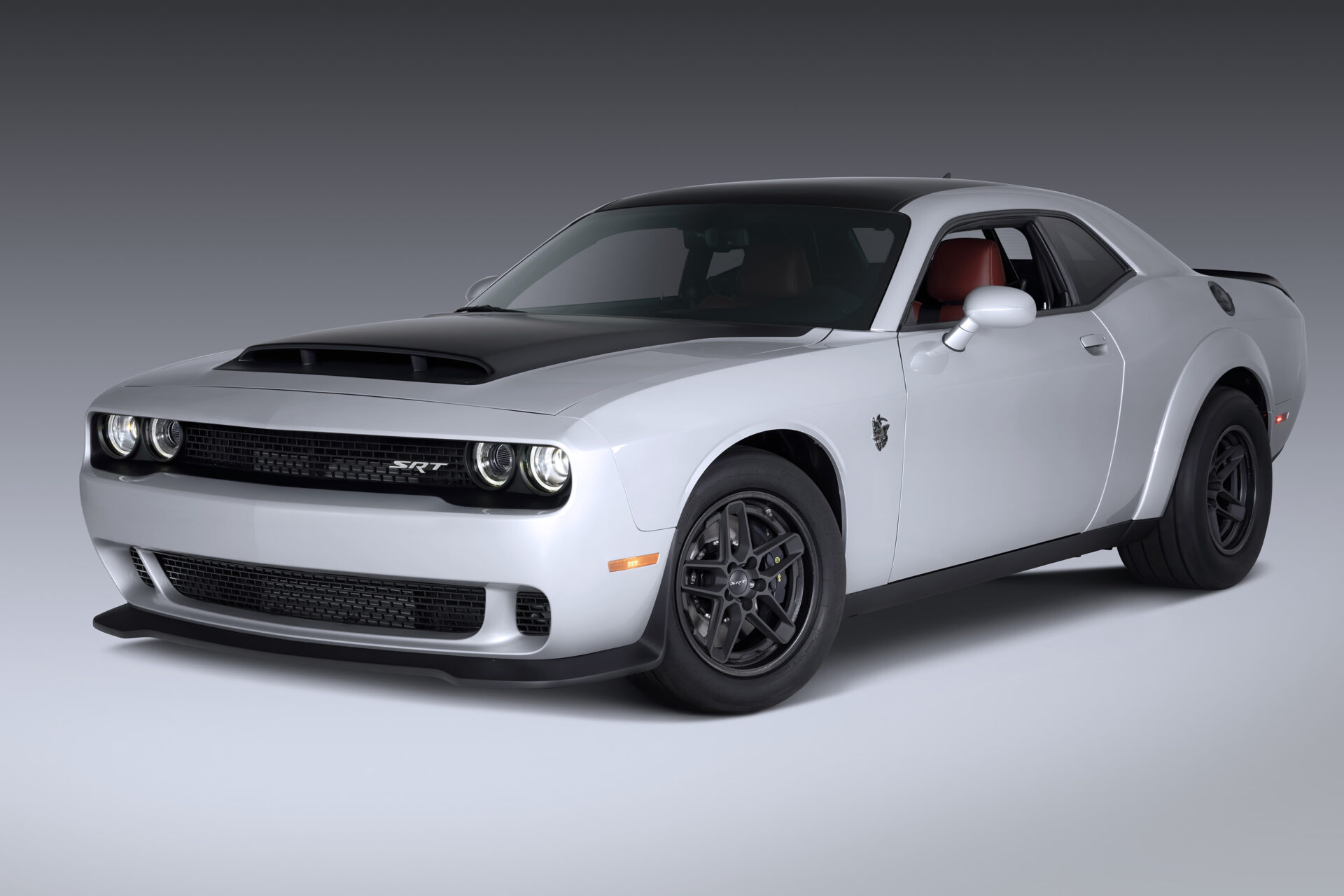
The Dodge Ram SRT10 stands as a peak monument to uncompromised American automotive engineering. Built between 2004 and 2006 by DaimlerChrysler's Street and Racing Technology division, this high-performance pickup stuffed an 8.3-liter aluminum V10 engine directly from the Dodge Viper into a standard half-ton truck chassis. Generating 500 horsepower and 525 lb-ft of torque, it shattered expectations of what a utility vehicle could achieve, earning an entry in the Guinness Book of World Records as the fastest production pickup truck at the time.
Beneath its aggressive hood scoop and behind its signature crosshair grille lay a mechanical brute designed for straight-line dominance rather than quiet refinement. It wasn't built to be a sensible workhorse, though it retained a functional bed and towing capability. Instead, it served as a rolling statement of an era when horsepower wars ruled Detroit. Let's examine how this improbable machine came to life, what it delivers on the pavement, and what to keep in mind if you're looking at one today.
The Genesis of the Viper-Powered Truck
The idea of dropping a sports car engine into a pickup wasn't entirely new, but Dodge took the concept to an extreme. Engineers working on the third-generation Dodge Viper realized that the massive 505-cubic-inch V10 fit within the engine bay of a heavily modified Ram 1500. Transforming the concept into a production reality required reinforcing the frame, beefing up the cooling system, and engineering a drivetrain capable of handling torque that would shred standard light-duty components.
The truck debuted at the 2002 North American International Auto Show as a concept, receiving an enthusiastic public response that forced executives to greenlight production. When the first units rolled off the assembly line in late 2003 for the 2004 model year, they delivered raw mechanical theater. The regular cab model featured a Tremec T56 six-speed manual transmission equipped with a Hurst shift linkage and a leather-wrapped cue-ball shifter. Later, in 2005, Dodge introduced the four-door Quad Cab variant, paired with a heavier-duty 48RE four-speed automatic transmission to appeal to buyers who wanted rear seats and towing capacity.
Core Technical Specifications and Performance
The numbers behind the SRT10 underline its unique engineering footprint. Unlike standard pickups tuned for low-end hauling, the V10 made its peak power higher in the rev range while still churning out massive torque down low.
- Engine Type: 8.3L (505 cu in) pushrod aluminum V10
- Horsepower: 500 hp at 5,600 rpm
- Torque: 525 lb-ft at 4,200 rpm
- Transmissions: Tremec T56 6-speed manual (Regular Cab) or 48RE 4-speed automatic (Quad Cab)
- Curb Weight: Approximately 5,139 lbs (Regular Cab) to 5,618 lbs (Quad Cab)
- 0-60 mph Time: 4.9 seconds (Regular Cab) or 5.6 seconds (Quad Cab)
- Top Speed: 153 mph (Regular Cab) or 147 mph (Quad Cab)
The regular cab could clear the quarter-mile in roughly 13.6 seconds, a staggering figure for a factory pickup in the mid-2000s. To manage that speed, the truck received a lowered ride height, stiffer springs, Bilstein monotube shocks, a rear snubbing bar to prevent axle hop during hard launches, and massive 15-inch front disc brakes gripped by dual-piston calipers hiding behind 22-inch Viper-style wheels wrapped in 305/40R22 performance tires.
Driving Dynamics and Real-World Behavior
Driving an SRT10 requires respect for physics. The front end carries significant weight, and while the steering is direct, the truck handles like what it is: a heavy chassis packed with a massive iron-block-derived aluminum-head powerplant.
When you fire up the engine, the cabin fills with a distinct, deep mechanical burble that hints at its sports car pedigree. Engaging the clutch on the manual model reveals a heavy, positive pedal feel, and working the Hurst shifter takes deliberate effort. Mash the throttle, and the rear tires struggle for traction despite the massive contact patch. The truck squats slightly, the exhaust note sharpens into a fierce V10 howl, and forward momentum arrives with violent urgency.
Fuel economy was never a priority for buyers. Real-world testing typically yielded single-digit fuel economy in city driving, and highway cruising rarely exceeded 12 to 14 miles per gallon under ideal conditions. The 26-gallon fuel tank emptied rapidly during spirited runs, making gas station stops a frequent routine.
Common Wear Points and Ownership Considerations
If you're evaluating a used SRT10 today, mechanical integrity depends heavily on how past owners treated the truck. Because these vehicles attracted enthusiasts, many experienced hard driving, track days, or drag strip launches.
Clutch wear is the primary item to check on manual regular cab models. Stop-and-go traffic and aggressive launches take a heavy toll on the factory clutch assembly. Cooling system components—including the radiator, water pump, and hoses—also demand scrutiny, as the V10 generates substantial thermal energy under load. Furthermore, shared ignition coils and sensor electronics inherited from the Viper V10 architecture can occasionally trigger check-engine lights if they haven't been maintained or replaced.
Suspension bushings and shocks on higher-mileage examples should be inspected for fatigue, especially given the vehicle's weight and stiff factory tuning. Sourcing specific body panels, unique interior trim pieces, and factory 22-inch wheels can also present challenges, as unique SRT10 components are increasingly difficult to find in junkyards or through standard parts suppliers.
Frequently Asked Questions
How many Dodge Ram SRT10s were built?
Total production ran around 10,000 units across its three-year production span from 2004 through 2006. Regular cabs made up the majority of the production run, while Quad Cabs accounted for a smaller share toward the end of the lifecycle.
Can the Dodge Ram SRT10 tow trailers?
Yes, but with strict limitations compared to standard Ram trucks. The manual regular cab model was rated to tow up to 5,000 pounds, while the heavier automatic Quad Cab model could handle up to 7,500 pounds. However, towing heavy loads strains the performance-tuned suspension and cooling system.
Is the SRT10 engine identical to the Viper engine?
It shares the same core 8.3-liter aluminum V10 architecture, but features modifications tailored for a truck application. These include a different oil pan, revised exhaust manifolds to fit the engine bay, and a unique engine calibration optimized for heavier vehicle weight and torque delivery.
What special editions were released?
Dodge released several limited production packages, including the Viper Competition Edition (finished in special black paint with unique interior badges), the SRTT/C (Track/Competition) package, and various regional dealer-sponsored color runs like the Flame Red and Night Runner editions.



