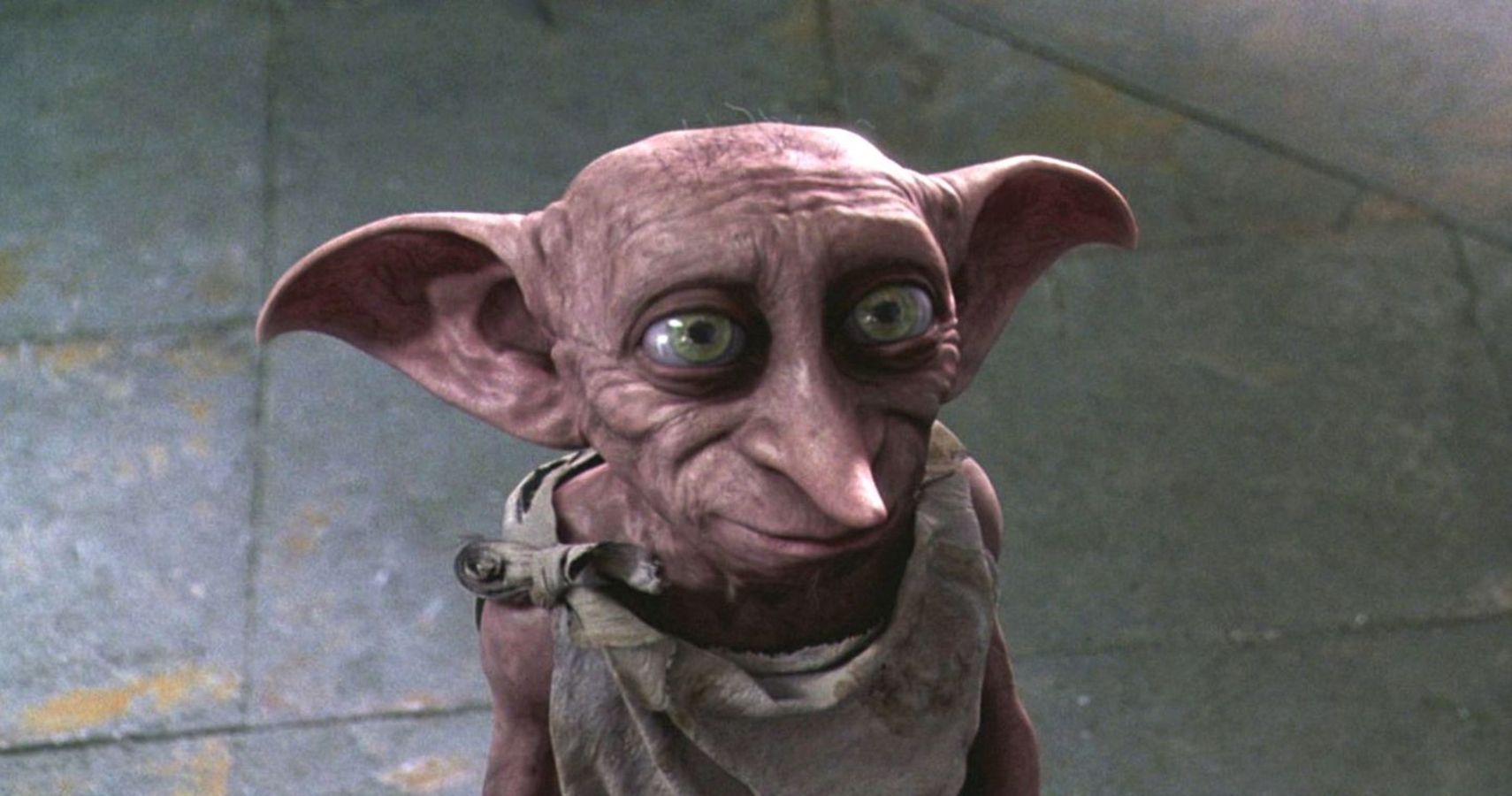
When Toby Jones stepped into the recording booth to voice the house-elf in Harry Potter and the Chamber of Secrets, he shaped a pop culture icon. Yet behind the squeaky cadence and iconic pillowcase lies a darker theme: the institutionalized subjugation of magical creatures. J.K. Rowling built a wizarding world defined by wonder, but she also embedded a deeply unsettling caste system that fans have debated for decades.
Understanding how Jones brought the character to life requires examining the intersection of vocal performance and the uncomfortable socio-political realities of house-elf servitude. While audiences fell in love with Dobby's fierce loyalty and quest for independence, the wider wizarding community accepted the ownership of sentient beings as standard practice.
The Voice Behind the Elf: Toby Jones and Character Creation
Bringing Dobby to life was no small feat. Before digital animation finalized the character, production teams used on-set reference props and complex motion mechanics. However, the emotional core of the character rested entirely on vocal delivery.
Jones infused the dialogue with a tremulous, high-pitched urgency that immediately signaled vulnerability. Every sentence carried a mix of absolute devotion and internalized trauma.
- Physicality of Vocalization: Jones balanced frantic pitch shifts to reflect Dobby's panic when breaking house rules.
- Emotional Nuance: The voice transitioned from terror-stricken self-punishment to fierce, defiant pride without losing its distinct texture.
- Longevity: Jones returned for Harry Potter and the Deathly Hallows: Part 1, maintaining vocal consistency across an eight-year gap.
Many casual viewers didn't immediately realize the award-winning British character actor behind the CGI creation. Jones famously resisted requests to perform the voice in public, noting in interviews with outlets like the Radio Times that he preferred to keep the performance tied to the screen rather than turn it into a party trick.
The Economics and Legalities of Magical Servitude
Within the wizarding universe, the enslavement of house-elves is systemic. Wealthy wizarding families like the Malfoys treat sentient beings as disposable property.
The legal framework governing house-elves denies them basic autonomy. They cannot carry wands, choose their employers, or own property. Their entire existence is bound to bloodlines and ancestral estates.
- Inheritance: Elves pass down through families like heirlooms, remaining bound to a manor even when the owners change.
- Punishment: House-elves are conditioned to self-harm when they speak ill of their masters or fail to meet expectations.
- Manumission Loopholes: The only legal method of liberation requires the master to hand the elf a piece of clothing.
This dynamic creates a skewed power structure where kindness from a wizard is viewed as an extreme anomaly. When Harry tricks Lucius Malfoy into giving Dobby a sock, it shatters centuries of legal precedent through a clever technicality rather than systemic reform.
Societal Indifference and Wizarding Hypocrisy
What makes the magical servitude storyline fascinating is how other characters react to it. Most witches and wizards view the practice as entirely natural.
Hermione Granger stands out as the lone voice of dissent within Hogwarts. Her establishment of S.P.E.W. (Society for the Promotion of Elfish Welfare) highlights the apathy of the wider magical community.
- Ron Weasley's Perspective: Raised in a wizarding household, Ron initially views house-elves as happy workers who want to serve.
- Hogwarts Staff: Even progressive figures like Albus Dumbledore accept the unpaid labor of hundreds of elves running the castle kitchens.
- Hermione's Radical Approach: Her knitting of hats to trick elves into freedom meets resistance from the elves themselves, who view freedom as an insult rather than a gift.
According to Wizarding World history, house-elves are bound by ancient magic that links their psychological well-being to servitude. Breaking that cycle requires more than just handing out spare socks; it demands a complete cultural overhaul that the Ministry of Magic ignores.
Dobby vs. Kreacher: Two Faces of Servitude
Dobby's narrative arc contrasts sharply with Kreacher, the Black family house-elf. While Dobby embraces freedom, Kreacher initially clings to his subjugation because his masters weaponized their cruelty into a twisted form of loyalty.
| Feature | Dobby | Kreacher |
|---|---|---|
| Initial Stance | Desperately seeks freedom | Proudly loyal to pure-blood ideology |
| View of Harry | Sees Harry as a liberator | Initially views Harry with contempt |
| Turning Point | Freed via a sock from Lucius Malfoy | Treated with unexpected respect by Sirius and Harry |
| Final Resolution | Dies a free elf fighting for friends | Leads the Hogwarts house-elves into battle |
Kreacher's redemption arc proves that servitude warps a creature's worldview. Only when Harry shows genuine empathy does Kreacher's loyalty shift, demonstrating that institutionalized abuse requires emotional rehabilitation, not just a change in legal status.
Frequently Asked Questions
Did Toby Jones voice Dobby in every film?
No. Dobby only appears in Harry Potter and the Chamber of Secrets and Harry Potter and the Deathly Hallows: Part 1. The character was absent from the middle installments of the film franchise.
Why do house-elves punish themselves?
House-elves are bound by deep magic that enforces obedience. When they break rules or speak against their masters, their programming compels them to inflict physical pain on themselves as a form of penance.
Are house-elves paid for their work at Hogwarts?
Dumbledore offered Dobby a salary and weekends off when he hired him at Hogwarts, though Dobby requested a remarkably low wage and minimal time off because he wanted to work freely without losing his dignity.
How did J.K. Rowling draw inspiration for house-elves?
House-elves draw heavily from British and European folklore regarding brownies and hobgoblins—household spirits that performed domestic chores in exchange for small gifts of food or clothing.



