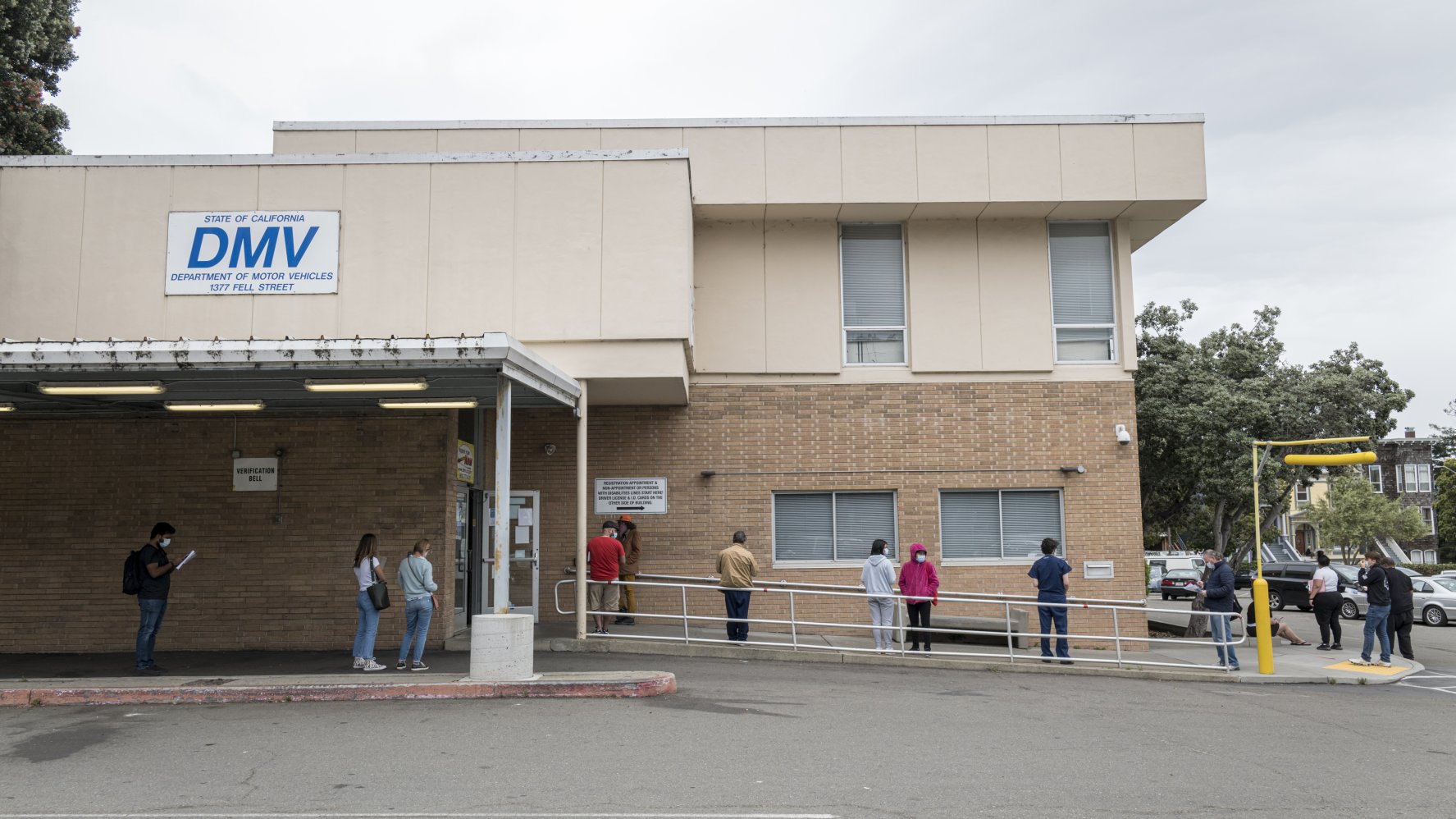
Your DMV road test results don't just give you a simple pass or fail; they hand you a detailed breakdown of how you handled a vehicle under pressure. Examiners don't start you with a full 100 points and deduct from there based on good vibes. Instead, you start at zero deductions, and the evaluator adds points every time you make a mistake.
Understanding what those numbers, slashes, and checkmarks mean on your score sheet can help you figure out why you passed or where your drive fell apart. Different states use slightly different point scales, but most follow a strict deduction ceiling where crossing a specific threshold ends the test immediately.
How the DMV Scoring System Actually Works
When you slide into the driver's seat with an examiner, they clip a standardized evaluation form onto a clipboard. As you navigate turns, intersections, and parking maneuvers, they mark slashes or checkmarks next to specific infractions.
Most jurisdictions operate on a deduction-based framework where minor errors cost fewer points than major control failures. For instance, missing a mirror check might cost you 5 points, while losing control of your steering or failing to yield right-of-way can instantly rack up 15 points.
The golden rule across many state testing agencies, such as New York, is that you must stay at or below 30 total points to pass. If your point total hits 31 when you pull back into the DMV parking lot, the result is an official failure. A perfect drive earns zero points, but most passing drivers finish with somewhere between 5 and 20 minor deductions.
Point Values and What They Mean
Every mark on the score sheet falls into a severity tier. Knowing how these tiers add up helps you see why minor habits accumulate quickly into a failed test.
Minor infractions are usually worth 5 points. These cover small lapses that don't immediately endanger anyone, such as forgetting to signal a minor lane adjustment, failing to check a rearview mirror before braking smoothly, or positioning your car slightly too far from the curb during a routine stop. You can make several minor mistakes and still pass, but racking up six 5-point errors pushes you straight to 30 points—right on the edge of failure.
Moderate errors generally cost 10 points. These involve poor judgment or sloppy execution of traffic laws. Examples include following the vehicle ahead too closely, failing to look over your shoulder during a lane change, or hesitating dangerously at an uncontrolled intersection. Three moderate errors equal 30 points, meaning zero room for any other mistakes.
Serious infractions carry a 15-point penalty. These are major safety hazards. Inability to complete a parallel park, botching a three-point turn, driving too fast for road conditions, or severe steering instability all land in this tier. Two 15-point mistakes add up to 30 points, representing a barely passing score. A third mistake of almost any size pushes you past the limit.
Automatic Failures: Critical Driving Errors
Points don't matter if you commit an automatic failure. Most state DMV systems list a separate section at the bottom of the evaluation sheet for critical driving errors. If you trigger one of these rules, the test ends immediately regardless of your current point total.
Examiner intervention is the most common instant fail. If the evaluator has to physically grab the steering wheel, slam on the passenger-side brake, or yell a verbal command to prevent an accident, you fail on the spot.
Other automatic failure triggers include:
- Running a red light or rolling entirely through a stop sign without stopping.
- Driving 10 miles per hour or more over the posted speed limit.
- Striking a curb heavily or hitting another vehicle or pedestrian.
- Driving on the sidewalk or entering oncoming traffic lanes.
Common Mistakes That Ruin Your Score
Drivers often fail not because they lack basic vehicle control, but because stress causes them to skip fundamental safety habits.
Failing to check blind spots is a massive point drain. Drivers frequently rely entirely on side and rearview mirrors, completely forgetting to physically turn their head and look over their shoulder before pulling away from the curb, changing lanes, or turning. Each missed shoulder check adds up.
Another frequent pitfall is rolling stops. Coming to an incomplete stop where your wheels are still creeping forward at a stop sign or a right turn on red will cost you points every single time. The examiner wants to see the vehicle come to a complete, dead stop where the car settles back slightly on its suspension before you proceed.
Speed management also trips up many test-takers. Driving too fast for weather or traffic conditions results in a heavy penalty, but driving significantly under the speed limit without a valid justification will also get you marked down for impeding traffic flow.
Frequently Asked Questions
Do I get to keep my physical score sheet after the test?
In many regions, modern testing centers no longer hand you a physical piece of paper. Instead, examiners input your results into a digital portal, and you receive an email or online link containing your detailed score breakdown and specific infraction notes shortly after your test concludes.
How many mistakes am I allowed to make?
There is no fixed limit on the number of mistakes because the test relies on a point deduction system rather than a tally of errors. You can technically make multiple small 5-point errors as long as your cumulative score remains at or below 30 points. However, making two or three major errors will fail you instantly.
Can I pass if I hit the curb during parallel parking?
It depends on how hard you hit it and whether you mount the curb entirely. A light graze might result in a point deduction for poor execution, but mounting the curb or failing to complete the maneuver within the designated space usually costs 15 points. If you already have accumulated other points, that single mistake can push you over the failing threshold.
What should I do if I make a mistake early in the test?
Don't panic or give up. Many applicants make a minor error on their very first turn, get flustered, and start driving recklessly because they assume they've already failed. Remember that minor errors only cost 5 or 10 points, leaving you plenty of margin to pass if you stay calm and drive safely for the rest of the route.


