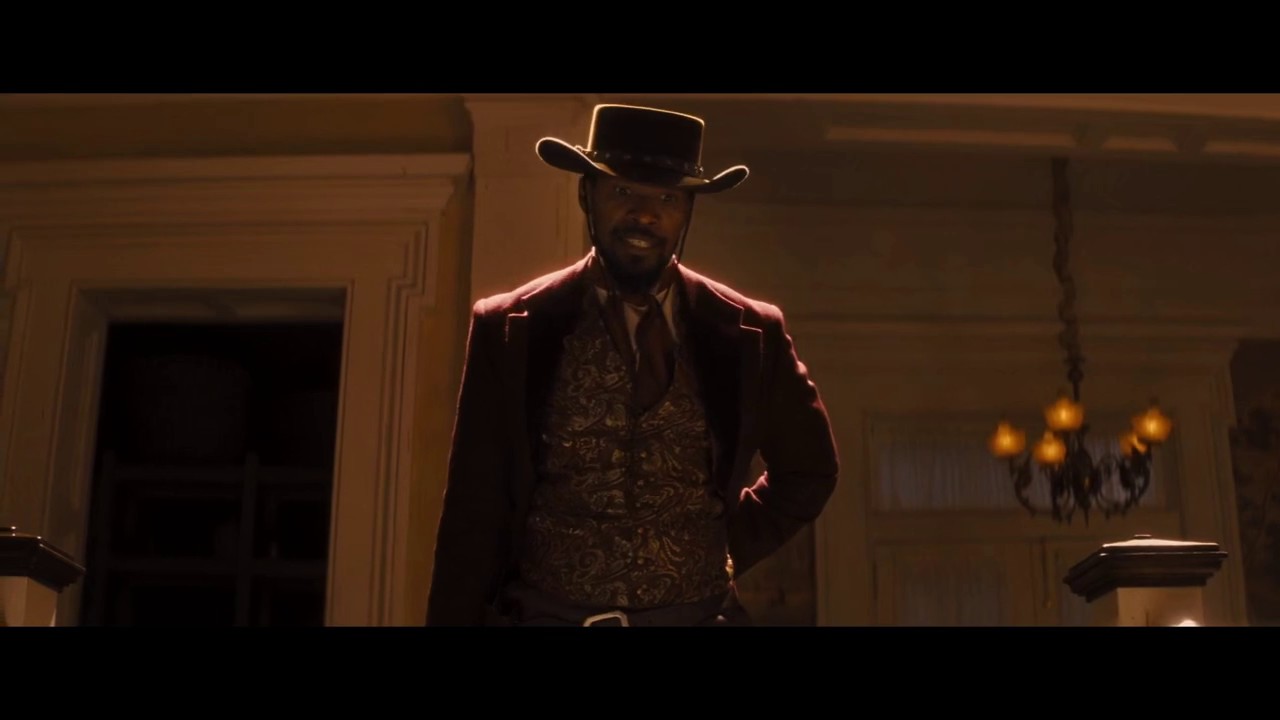
Quentin Tarantino's 2012 epic Django Unchained blends blistering spaghetti western style with the harrowing realities of antebellum America. It follows Django Freeman, a freed slave who teams up with German bounty hunter Dr. King Schultz to rescue his wife from a brutal Mississippi plantation. While the film operates largely as a violent cinematic revenge fantasy, it draws heavily from historical precedents, pulp western tropes, and spaghetti western cinema history.
Understanding the film requires separating Tarantino's hyper-stylized fiction from the genuine historical mechanics of American slavery, bounty hunting, and the cinematic traditions that inspired the director.
The Cinematic Roots: Sergio Corbucci and the Spaghetti Western
Tarantino didn't invent Django. The character first appeared in Sergio Corbucci's gritty 1966 Italian western Django, starring Franco Nero. That original film established a bleak, muddy aesthetic that stood in stark contrast to clean Hollywood westerns of the era.
Corbucci's film featured a lone drifter dragging a coffin through the mud, hiding a machine gun inside. Tarantino borrowed the name, the iconic character archetype, and even brought Franco Nero back for a memorable cameo.
Beyond Corbucci, Tarantino drew inspiration from blaxploitation films of the 1970s, specifically Boss Nigger (1975), starring Fred Williamson. Boss Nigger subverted traditional western tropes by placing a Black gunfighter in a position of authority over white townsfolk. Tarantino took this subversion and pushed it to a theatrical extreme, using historical atrocities as the backdrop for an action-hero narrative.
Slavery in the Antebellum South: Fact vs. Cinematic License
The historical setting of Django Unchained is 1858, just three years before the outbreak of the Civil War. While the brutality depicted on screen—whippings, slave catchers, and oppressive plantation hierarchies—reflects historical horrors, specific narrative devices were exaggerated for cinematic impact.
The Myth of Mandingo Fighting
One of the film's most controversial elements is "Mandingo fighting," where slaves are forced to battle to the death for the amusement of plantation owners like Calvin Candie.
Historians have repeatedly noted that mandatory death matches between enslaved people were not a documented practice in the antebellum South. While slaveholders occasionally forced enslaved individuals into physical brawls for gambling or punishment, systematic death duels as portrayed in the film were a product of Tarantino's imagination, synthesized from fictional tropes found in martial arts cinema and exploitation films rather than archival records.
Slave Catchers and the Fugitive Slave Act
In stark contrast, the legal mechanics surrounding bounty hunting and fugitive slaves were terrifyingly real. Following the Fugitive Slave Act of 1850, slave catchers operated with federal backing across both Southern states and ostensibly "free" Northern territories.
Bounty hunters tracked runaway bondspeople for high cash rewards. While characters like Dr. King Schultz operate under a fictionalized, romanticized code of professional courtesy, the actual legal framework of the era permitted immense cruelty toward anyone attempting to escape bondage.
Real-World Counterparts and Inspirations
Tarantino is known for mixing historical nods into his scripts. While characters like Calvin Candie (played by Leonardo DiCaprio) and Stephen (Samuel L. Jackson) are fictional, their traits mirror historical dynamics.
- The Plantation Aristocracy: Calvin Candie represents the decadent, insulated wealth of the cotton-rich Mississippi aristocracy. Plantation owners frequently modeled their lifestyles on European nobility, living in lavish mansions while overseeing brutal labor camps.
- The House Servant Dynamic: The complex, chilling loyalty displayed by Stephen toward the Candie family draws from historical observations of overseers and privileged house servants, though Stephen's extreme malice is amplified for dramatic tension.
- The Underground Resistance: Django's journey mirrors the perilous realities faced by those who used armed resistance or underground networks to reclaim loved ones, though actual armed insurrections on the scale of Candyland were rare due to overwhelming state military power. Read more about the era via the Library of Congress African American History collections.
Common Misconceptions About the Production
Viewers often debate the historical accuracy of specific elements in the film that were actually deliberate artistic choices or genre nods.
- The Use of Modern Language: Some critics argue the dialogue sounds too contemporary. Tarantino deliberately utilized modern cadences and anachronistic language to bridge the gap between historical distance and modern audience engagement.
- The Soundtrack Choices: Blending traditional Enricoo Morricone spaghetti western scores with contemporary hip-hop tracks by artists like Tupac Shakur and James Brown was a conscious choice to frame historical trauma through a modern revenge-movie lens.
- The Scale of the Explosion: The dramatic destruction of the Candie plantation at the climax is pure Hollywood pyrotechnics, designed to provide emotional catharsis rather than historical documentation. For broader context on western expansion and cinema, consult the Autry Museum of the American West.
Frequently Asked Questions
Was Django a real person?
No, Django is a fictional character created for Italian cinema in 1966 and re-imagined by Quentin Tarantino in 2012. However, his journey reflects the dangerous realities faced by fugitive slaves in the 19th century.
Did bounty hunters operate during the slave era?
Yes. Professional slave catchers tracked runaway bondspeople across state lines to collect substantial financial bounties authorized by local laws and federal legislation like the Fugitive Slave Act.
Is Candyland a real historical plantation?
No, Candyland is entirely fictional. However, it accurately reflects the architectural opulence and extreme wealth concentrated in Mississippi cotton-growing regions prior to the Civil War.
Why did Tarantino use a spaghetti western style for a film about American slavery?
Tarantino used the hyper-stylized conventions of Italian westerns and revenge cinema to give an enslaved protagonist agency, subverting a genre that historically marginalized or excluded Black heroes.



