Division 1 programs operate as multi-million-dollar athletic enterprises that dictate the financial and cultural gravity of American college sports. Behind packed stadiums and broadcast contracts lies an intricate corporate machinery governed by complex revenue distribution, intense recruiting ecosystems, and shifting regulatory frameworks.
Understanding how these elite athletic departments function requires looking past game-day spectacles to examine balance sheets, institutional resource allocation, and the structural pressures placed on student-athletes. Let's break down how modern Division 1 athletics evolved into a high-stakes industry and what drives its daily operations.
The Financial Engine Behind Division 1 Athletics
The revenue engine powering top-tier collegiate athletics relies on a mix of broadcast rights, ticket sales, corporate sponsorships, and donor contributions. Athletic departments at power-conference institutions function similarly to professional sports franchises, pulling in massive annual revenues that often exceed ninety figures for individual football and men's basketball programs.
Television rights agreements form the bedrock of this financial model. Major conferences negotiate multi-year media packages with national networks, distributing hundreds of millions of dollars annually to member institutions. Beyond media payouts, athletic departments depend heavily on institutional subsidies, student fees, and philanthropic giving tied to seating priority systems and facility naming rights.
| Revenue Stream | Primary Funding Source | Typical Impact on Budget |
|---|---|---|
| Media Rights | National broadcast contracts & streaming deals | High (Primary driver for Power 4 conferences) |
| Ticket Sales & Concessions | General public sales, season tickets, premium seating | Moderate to High (Varies by sport and capacity) |
| Contributions & Donor Giving | Booster clubs, major gifts, capital campaigns | High (Critical for facility upgrades) |
| Institutional Subsidies | University general funds, student athletic fees | High for non-football or lower-tier programs |
Disparities across the division remain stark. While a handful of elite athletic departments generate self-sustaining surpluses exceeding one hundred million dollars, the vast majority of Division 1 programs rely on institutional support and student fees to balance their books. This resource gap creates significant competitive imbalances across conferences.
The Modern Recruiting Ecosystem
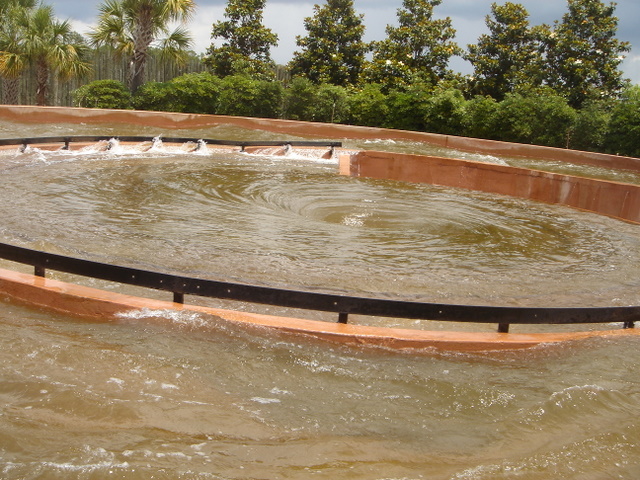
Recruiting elite talent requires more than coaching reputation; it demands institutional investment in infrastructure, sports science, and brand positioning. Programs allocate millions toward specialized facilities, including advanced training centers, recovery pools, and dedicated nutrition stations designed to attract top high school prospects.
Coaching staffs deploy multi-tiered evaluation networks, tracking athletes across regional combines, digital scouting platforms, and summer camp circuits. Compliance officers work alongside coaching personnel to monitor strict NCAA contact windows, official visit rules, and academic eligibility benchmarks.
Program differentiation often hinges on ancillary support services. Elite departments maintain dedicated personnel for academic tutoring, mental health counseling, brand management, and career development. Prospects evaluate these supportive frameworks alongside historical win-loss records and professional placement rates when selecting a destination.
Pressures and Realities for Student-Athletes
The operational intensity of elite collegiate athletics places unique demands on participating athletes. Balancing rigorous competition schedules, travel across multiple time zones, and demanding credit-hour requirements leaves little margin for error.
Time management becomes an active discipline. Athletes routinely navigate forty-hour weekly commitments during competitive seasons, covering film study, tactical walkthroughs, strength training, and media obligations alongside class attendance.
While scholarship protection and academic support resources offer substantial value, the physical and psychological toll remains a central challenge. Programs increasingly invest in specialized sports psychology staff and injury prevention technologies to mitigate burnout and manage chronic physical wear.
Regulatory Evolution and Governance
The governance model governing Division 1 athletics undergoes continuous adjustment. Recent legal rulings and shifts in association policies have altered the landscape regarding name, image, and likeness rights, transfer regulations, and roster management structures.
Athletic directors and conference commissioners now navigate an environment where athlete compensation models and employment status discussions intersect with traditional amateurism frameworks. Compliance departments face expanding workloads as they adapt to new state laws, federal legislative proposals, and internal association policy changes.
These shifts require athletic departments to restructure internal administrative units, focusing heavily on legal compliance, financial forecasting, and contract negotiation. The long-term stability of the division depends on how effectively institutions adapt to these legal and financial realities while maintaining educational alignment.
Frequently Asked Questions
What separates a Division 1 program from Division 2 and Division 3?
Division 1 institutions sponsor broad-based athletic schedules, meet minimum financial and sports-sponsorship thresholds, and are permitted to offer athletic scholarships based on athletic ability. Division 2 programs offer partial scholarships and emphasize regional competition, while Division 3 programs do not award athletic-based financial aid and focus primarily on the student-athlete experience within a traditional academic setting.
How do athletic departments fund new facility construction?
Most major facility projects are funded through a combination of dedicated private philanthropic donations, capital campaigns targeting major booster contributors, and athletic department debt issuance financed through future revenue streams.
Are most Division 1 athletic departments profitable?
No. Only a small fraction of Division 1 athletic departments—typically between twenty and thirty institutions annually—generate positive net revenue without direct or indirect institutional subsidies and student fees. The remainder rely on university allocations to cover operational expenses.
What role do conference alignments play in athletic department revenue?
Conference affiliation dictates media distribution payouts, postseason bowl eligibility shares, and scheduling arrangements. Movement between major conferences directly impacts an institution's long-term revenue stability and exposure on national television platforms.