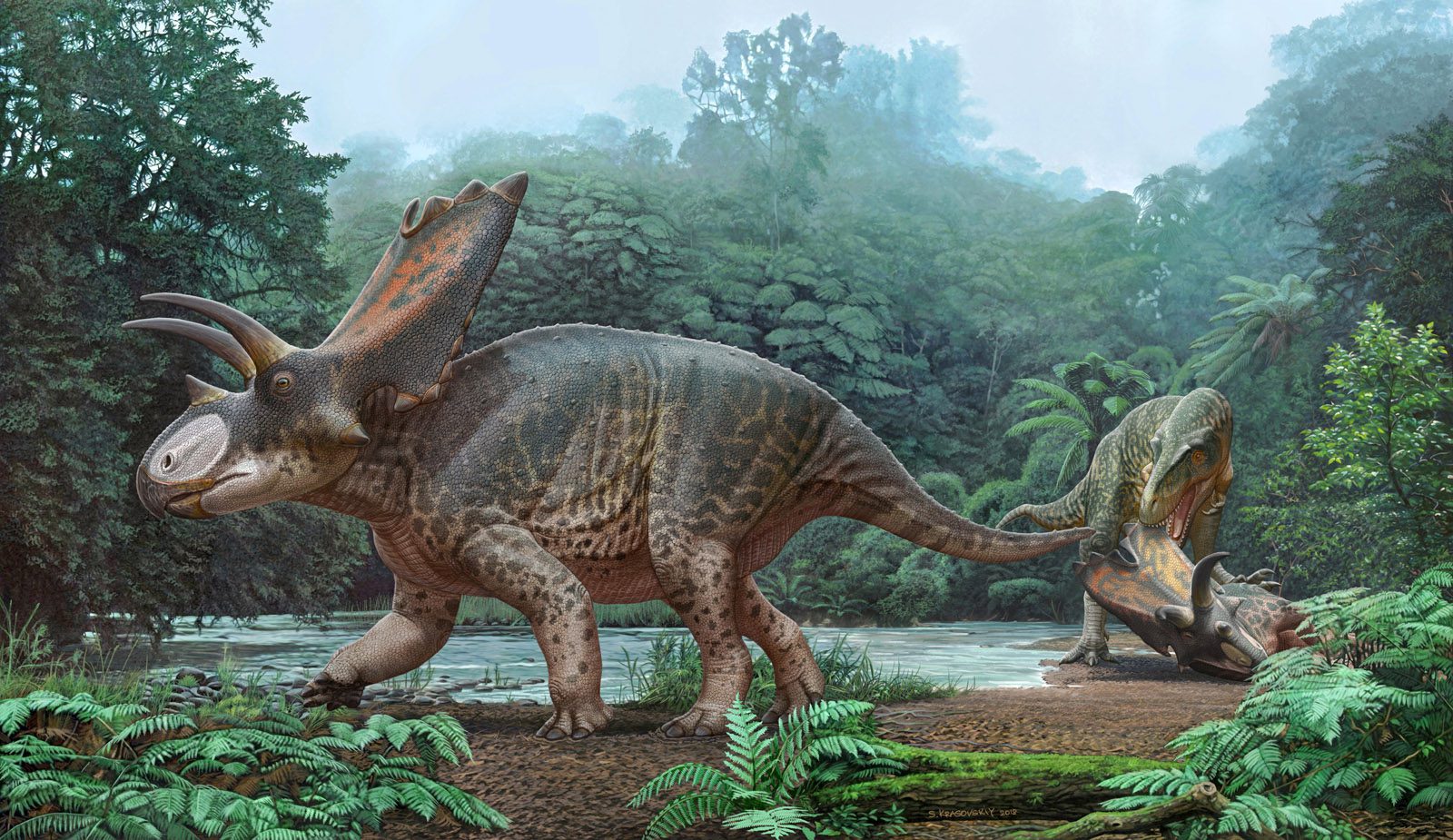
Learning dinosaur names in Spanish is a fascinating way to expand your vocabulary while exploring paleontology through a linguistic lens. Whether you're talking to Spanish-speaking dinosaur enthusiasts or reading scientific texts, understanding how prehistoric creatures translate across languages reveals some surprising rules and linguistic shifts.
Unlike everyday animal names that change completely between English and Spanish—such as dog becoming perro or horse becoming caballo—scientific binomial nomenclature remains largely consistent. Dinosaur genus names are rooted in Latin or Ancient Greek. Because Spanish is a Romance language heavily anchored in Latin roots, many dinosaur names look and sound remarkably similar in both languages, with minor spelling adaptations or gender adjustments.
How Scientific Names Adapt to Spanish
When English and Spanish speakers refer to dinosaurs, the underlying scientific terms stay identical in formal contexts. However, everyday speech and popular media adapt these names to fit Spanish phonetics and grammatical structures.
- Definite Articles: In Spanish, proper nouns referring to specific species or general groups often take a masculine or feminine article, such as el or la. For example, people say el Tyrannosaurus rex or el Triceratops.
- Suffix Adjustments: Spanish morphology frequently modifies English or neo-Latin endings to align with standard Spanish noun endings. Names ending in -us in Latin or English often shift to -o or -io in Spanish (such as Stegosaurus becoming estegosaurio).
- Phonetic Spelling: Sounds that do not naturally occur in traditional Spanish orthography are altered. Words with hard 'k' sounds or specific consonant clusters are respelled to match Spanish phonetic rules, ensuring smooth pronunciation for native speakers.
Iconic Dinosaur Names in Spanish
Examining the most famous dinosaurs highlights how these linguistic adjustments work in practice. Here is how popular prehistoric giants translate and sound in conversational Spanish:
- Tyrannosaurus Rex: Frequently referred to simply as el T. rex or el tiranosaurio. The word tiranosaurio derives from the Greek roots for "tyrant lizard," matching the literal meaning in English.
- Triceratops: Translated as el triceratops or el tricératops with a written accent mark to guide syllable stress. The prefix tri- (three), cerat- (horn), and -ops (face) remain recognizable across both languages.
- Velociraptor: Adapted as el velociraptor. The pronunciation shifts slightly to emphasize Spanish vowel sounds, but the spelling is nearly identical.
- Stegosaurus: Written and pronounced as el estegosaurio. Notice how the Latin -us suffix transforms into the standard Spanish noun ending -io, and an e is added to the initial st- cluster, a common phonetic adaptation in Spanish for words starting with 's' followed by a consonant.
- Brachiosaurus: Known as el braquiosaurio, where the 'ch' sound replaces the hard 'k' sound found in the original Greek root brachion (arm).
Etymology and Literal Meanings
Every dinosaur name tells a story about the animal's physical traits, discovery location, or behavior. Because both English and Spanish draw from the same Greco-Roman root vocabulary, translating the literal meaning requires looking at the constituent parts of each word.
| Scientific Name | Literal Meaning | Spanish Adaptation |
|---|---|---|
| Ankylosaurus | Fused lizard | El anquilosaurio |
| Diplodocus | Double beam | El diplodoco |
| Iguanodon | Iguana tooth | El iguanodonte |
| Spinosaurus | Spine lizard | El espinosaurio |
| Pterodactyl | Winged finger | El pterodáctilo |
Understanding these roots helps language learners deduce vocabulary across multiple scientific fields. For instance, once you know that dactylos means finger in Greek (dáctilo in Spanish), words like pterodactyl become much easier to parse.
Common Mistakes When Translating Dinosaur Names
When learners attempt to discuss paleontology in Spanish, a few frequent errors tend to pop up. Avoiding these mistakes will keep your conversations natural and accurate.
- Forgetting Gender and Articles: Omitting the article (el or la) can make sentences sound unnatural. In Spanish, masculine dinosaur nouns almost universally take el.
- Over-Translating Proper Names: Many beginners try to translate the actual proper name parts of species designations, such as turning Albertosaurus into something literal about Alberta. Geographic location names and proper honorifics stay identical; only the taxonomic suffixes and generic nouns adapt.
- Misplacing Stress Accents: Spanish pronunciation relies heavily on syllable stress. Words ending in consonants like -or or -on naturally stress the final syllable (tiranosaurio is an exception due to its vowel ending, which stresses the penultimate syllable). Pay attention to written accent marks like the one in tricératops.
For further reading on official taxonomic nomenclature and international standards, you can check the International Commission on Zoological Nomenclature guidelines for how scientific names are established globally.
Frequently Asked Questions
Do Spanish speakers use different names for dinosaurs than English speakers?
No. Formal scientific names (genus and species) are universal worldwide based on Latinized binomial nomenclature. However, everyday conversational Spanish adapts spelling and pronunciation suffixes, such as changing -us to -io.
How do you pronounce dinosaur names with an 'st' or 'sp' cluster in Spanish?
Native Spanish speakers naturally add an 'e' sound before initial 's' consonant clusters because those sounds do not naturally start words in native Spanish vocabulary. For example, Stegosaurus is pronounced closer to eh-stegosaurio.
Are dinosaur names masculine or feminine in Spanish?
Almost all dinosaur names in Spanish are masculine because the default grammatical gender for animal genera and names ending in -o is masculine. You will use the article el for nearly every dinosaur.
Where can I learn more about dinosaur discoveries in the Spanish-speaking world?
Countries like Argentina boast some of the richest paleontological sites in the world, particularly in Patagonia. You can explore major discoveries and research updates through institutions like the Museo Paleontológico Egidio Feruglio in Chubut, Argentina.



