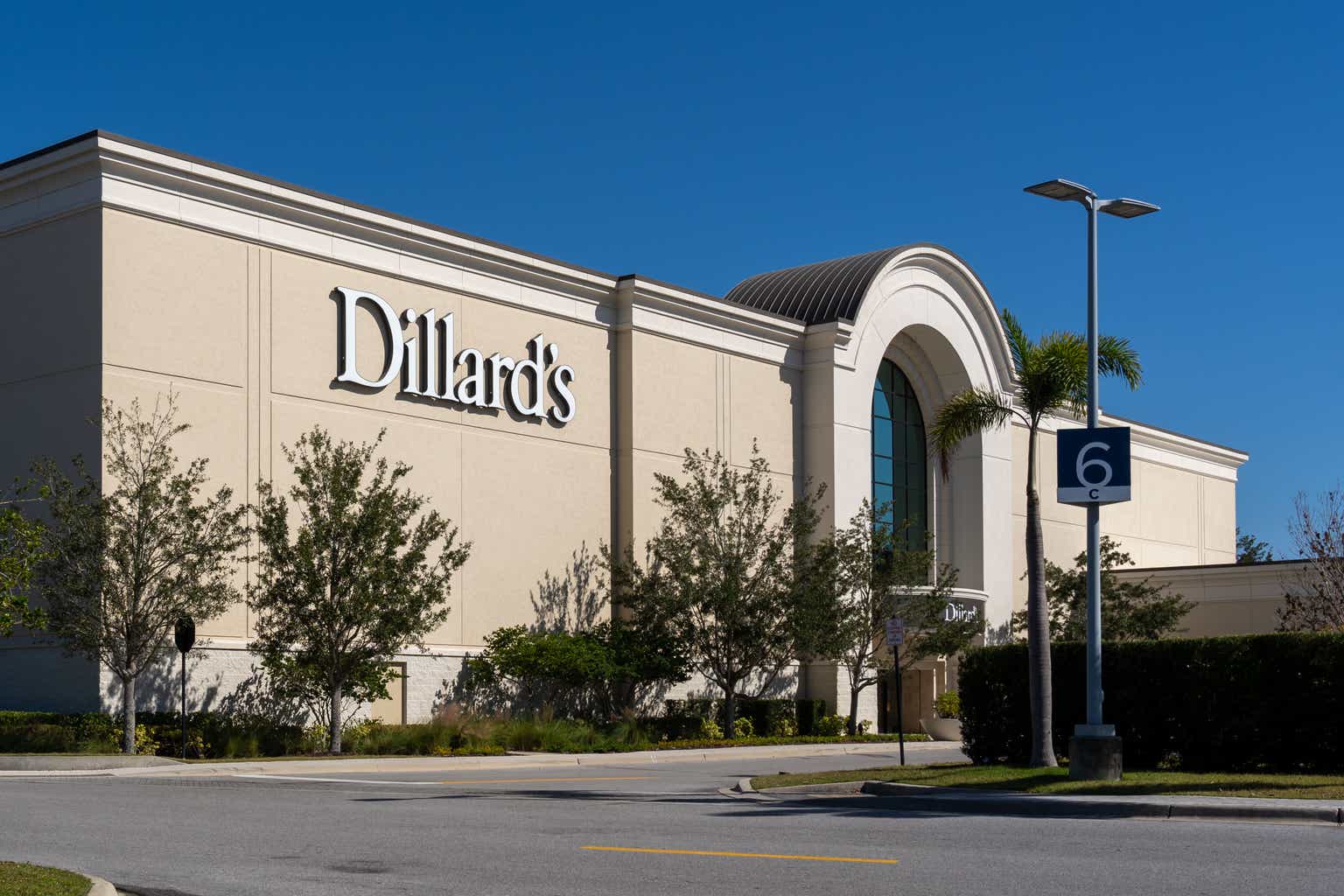
Landing a role in traditional department stores requires understanding what hiring managers look for behind the scenes. If you are exploring Dillards career opportunities, you need a clear map of open positions, expectations, and the application process. Retail has shifted dramatically toward omnichannel execution, merging brick-and-mortar styling with digital logistics, making modern department store experience valuable for long-term career growth.
Whether you want to work on the sales floor, manage inventory, or join corporate merchandising teams in Little Rock, knowing how to position your skills changes your odds of getting hired. Let's break down everything you need to know about navigating employment paths with this major fashion retailer.
Overview of Career Paths at Dillard's
Working for a national department store brand involves several distinct operational verticals. You aren't limited to folding clothes or ringing up purchases at a register. The organization divides its workforce into specific corporate and store-level functions.
Store Operations and Sales Floor Positions
Store roles form the backbone of the enterprise. Sales associates, cosmetics managers, and shoe specialists interact directly with shoppers, curating luxury and commercial brand experiences. These positions require strong interpersonal skills and comfort with goal-oriented sales targets.
- Retail Sales Associate: Focuses on client-eling, maintaining department presentation, and driving daily sales metrics.
- Department/Assistant Manager: Oversees visual merchandising, inventory levels, scheduling, and staff coaching.
- Stock and Fulfillment Associate: Handles incoming freight, inventory audits, and order packing for omnichannel shipping.
Merchandising and Buying Offices
For those inclined toward fashion forecasting and corporate strategy, merchandising offers a fast-paced environment. Assistant buyers and planners track sales trends, analyze sell-through percentages, and negotiate vendor allocations. These roles typically sit at corporate hubs and require analytical aptitude alongside aesthetic judgment.
Supply Chain and Distribution
Logistics networks keep hundreds of storefronts stocked. Distribution center roles include heavy equipment operators, processing associates, shipping coordinators, and maintenance technicians. These positions focus on speed, safety, and inventory accuracy across massive warehouse footprints.
The Application and Hiring Process
Securing a position starts with the official portal on the Dillard's Careers Site. Knowing what to expect during each stage helps you avoid common pitfalls.
- Online Submission: Submit your application for a specific location or department. Ensure your resume highlights customer service milestones or inventory management experience.
- Initial Screening: Human resources or hiring managers review submissions. Certain positions may trigger a brief automated assessment measuring behavioral tendencies and situational judgment.
- The Interview: Most store-level interviews are conducted face-to-face with a store manager. Expect questions centered on handling difficult customer interactions, working flexible hours during peak retail seasons, and meeting sales goals.
- Onboarding: Successful candidates complete background checks or drug screenings depending on state regulations and job classification.
Compensation and Employee Benefits
Retail compensation packages vary significantly by region, position type, and whether you work part-time or full-time. Sales floor associates often combine an hourly base wage with commission incentives or sales bonuses.
Eligible employees gain access to a corporate benefits structure that includes:
- Merchandise Discounts: Generous employee discounts on apparel, cosmetics, and home goods.
- Healthcare Coverage: Medical, dental, and vision insurance options for qualifying full-time staff.
- Retirement Planning: Access to company-sponsored 401(k) plans to build long-term savings.
- Paid Time Off: Vacation days and holiday pay for eligible team members.
You can review specific corporate wellness summaries directly through the Dillard's Benefits Portal.
Common Mistakes to Avoid When Applying
Many applicants sabotage their chances by treating retail applications too casually. Keep these operational missteps in mind:
- Submitting a Generic Resume: Failing to tailor your work history toward retail, customer care, or logistics leaves hiring managers guessing about your relevant strengths.
- Ignoring Availability Constraints: Department stores operate heavily on weekends, evenings, and holidays. Stating strict or limited availability immediately disqualifies many candidates during the initial review.
- Underestimating Sales Metrics: If you are interviewing for a commissioned sales role, treat the interview like a pitch for yourself. Highlight past experience where you exceeded targets or built repeat client lists.
Frequently Asked Questions
What experience do I need to get hired as a sales associate?
Entry-level sales positions often require little prior retail experience, provided you demonstrate a strong communication background, a customer-first attitude, and reliability. Specialized departments like fine jewelry or cosmetics prefer candidates with prior brand-specific sales experience.
How long does the hiring process take?
Store-level hiring typically moves quickly, often wrapping up within one to three weeks from application submission to job offer. Corporate, buying, or tech roles take longer, frequently spanning three to six weeks due to multiple interview rounds.
Are employee discounts applicable to all store merchandise?
Employees receive substantial discounts on most items sold across stores, though certain designer exclusions or special promotional events may apply depending on current vendor agreements.
Can part-time workers transition into full-time careers?
Yes. Many store managers and corporate buyers begin their tenure in part-time or seasonal support roles. Demonstrating consistent punctuality, high sales performance, and leadership potential opens doors for internal promotion.
Does the company support remote corporate work?
Corporate roles, such as software development or administrative positions at headquarters, have specific workplace policies. Most store operations, visual merchandising, and buying office teams operate on-site to maintain hands-on inventory oversight and team collaboration.



