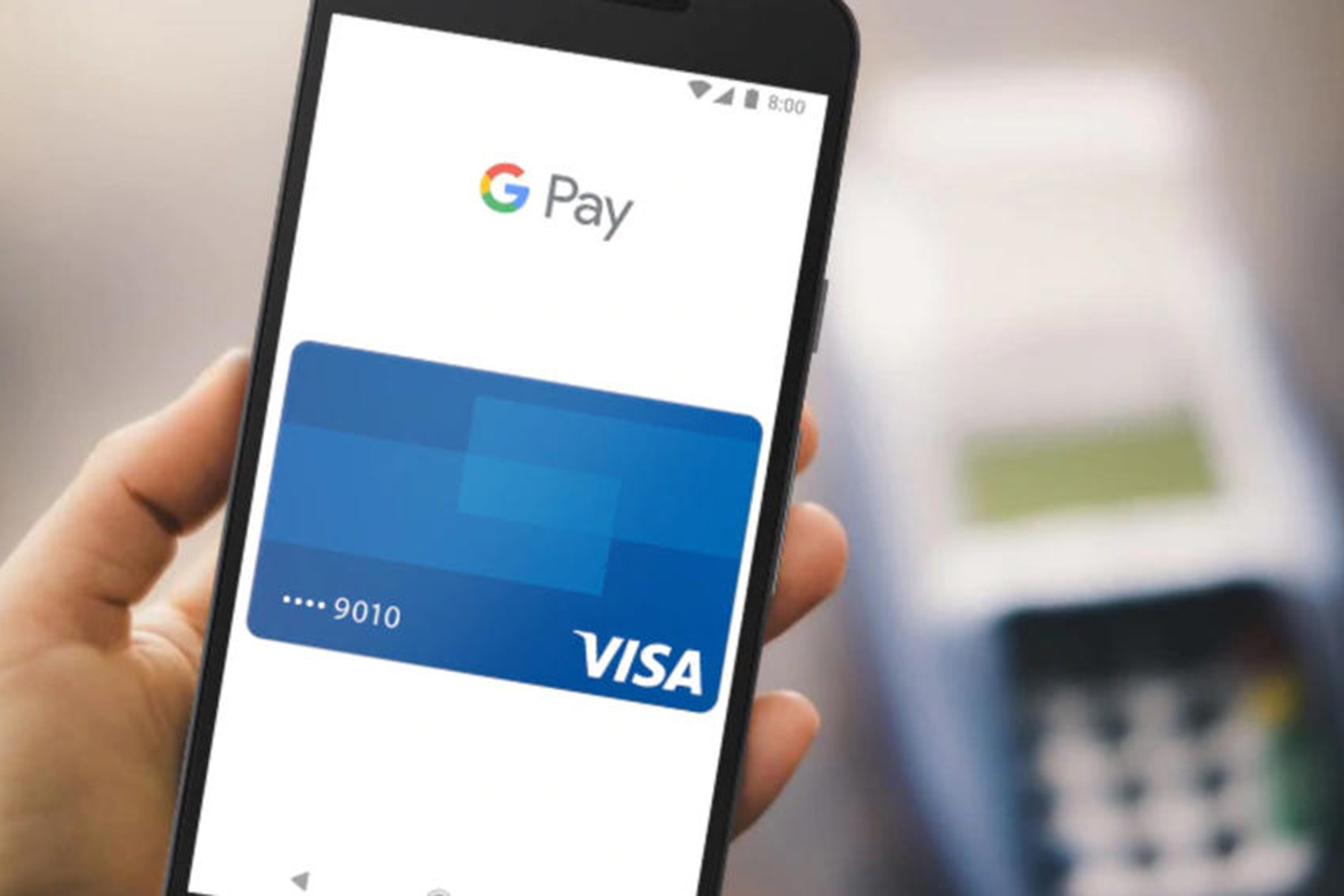
Digital payment platforms are transforming how local governments collect municipal revenue and manage citizen compliance. Traditional paper tickets, coin-operated meters, and in-person lines at municipal buildings are rapidly being replaced by online portals, mobile applications, and automated enforcement systems. This shift isn't just about convenience for drivers; it changes how cities budget, allocate enforcement resources, and secure consistent cash flows.
When municipalities implement web-based payment options—such as processing a parking ticket online or paying via electronic check—administrative overhead drops significantly. Processing physical cash and paper checks requires manual handling, secure transport, and reconciliation hours that cost municipal departments millions annually. Digital platforms automate these accounting loops, reduce processing errors, and provide real-time data visibility for city treasurers.
The Mechanics of Digital Municipal Compliance
Compliance improves when the friction of paying fines or municipal fees is removed. Historically, a driver who received a parking citation might wait weeks, misplace the paper ticket, or forget the deadline, leading to late penalties, DMV registration holds, and costly administrative appeals. Digital payment portals link citation numbers directly to centralized databases, allowing motorists to resolve infractions within minutes from a smartphone or home computer.
- Instant Verification: Drivers can look up citations using a license plate number or unique ticket ID, removing the dependency on physical paper notices.
- Payment Flexibility: Platforms typically accept credit cards, debit cards, and electronic checks (ACH), accommodating different financial preferences without requiring cash transactions at a municipal window.
- Automated Record Keeping: Every transaction generates an immediate digital receipt with timestamped proof of payment, eliminating disputes over whether a fine was paid on time.
For an example of this framework in action, municipal portals like the City of Yonkers Payment Services demonstrate how integration with third-party processors streamlines fine resolution while maintaining secure backend tracking.
Impact on Municipal Revenue Streams
Municipal revenue depends heavily on predictable collection cycles. Under legacy systems, outstanding parking fines often lingered in accounts receivable indefinitely because tracking down delinquent drivers was labor-intensive. Digital platforms change this dynamic by introducing automated reminder systems, clear fee structures, and friction-free checkout workflows.
When citizens can clear balances immediately, collection rates rise. Cities experience fewer defaults and spend less time pursuing unpaid tickets through collection agencies. Furthermore, real-time dashboards allow finance departments to forecast incoming revenue accurately. Instead of waiting weeks for batch deposits to clear, treasurers track daily cash flows directly from integrated payment gateways.
Reducing Operating Costs
The financial upside extends beyond collection rates. Processing a paper check or handling cash involves high labor costs. Digital gateways shift transaction processing to automated merchant systems, lowering the per-transaction administrative cost. While payment processors charge convenience fees or merchant discounts, these costs are typically offset by reductions in staff hours dedicated to manual data entry, bank deposits, and customer service window queues.
Enforcement Modernization and Data Insights
Digital payment platforms don't operate in a vacuum; they integrate directly with smart parking meters, license plate recognition (LPR) cameras, and mobile enforcement apps used by parking control officers. This connectivity creates a closed-loop ecosystem where data flows seamlessly from the street to the municipal database.
[Vehicle Parked / Citation Issued]
       ↓
[Cloud Database & Mobile App Sync]
       ↓
[Instant Online Payment / Verification]
       ↓
[Automated Revenue Reconciliation]
This ecosystem provides city planners with valuable analytical insights. By examining payment trends and citation hotspots across digital dashboards, municipalities can identify high-congestion zones, adjust parking tariffs dynamically, or modify enforcement patrol routes based on empirical data rather than guesswork.
Common Implementation Challenges for Cities
Despite the clear benefits, transitioning to digital payment infrastructure introduces specific hurdles that municipal IT and finance teams must navigate carefully.
- Digital Equity: Not all residents have smartphones, reliable internet access, or credit cards. Cities must maintain alternative payment channels, such as walk-in kiosks or mail-in options, to avoid penalizing unbanked or technologically disenfranchised populations.
- Security and Compliance: Handling citizen financial data requires strict adherence to security standards, including Payment Card Industry Data Security Standard (PCI-DSS) compliance, to protect against data breaches.
- Integration Friction: Connecting modern cloud-based payment gateways to legacy mainframe accounting software can be technically complex and expensive.
Frequently Asked Questions
Why do municipal online payment portals charge convenience fees?
Municipalities generally do not absorb credit card interchange fees directly because doing so would reduce net tax revenues allocated for public services. Instead, partnering third-party payment processors charge a nominal convenience fee to cover secure transaction processing costs. Many portals offer fee-free alternatives, such as electronic checks (ACH).
Can all parking tickets be paid online?
Most standard parking and traffic infractions can be resolved through municipal online portals. However, severe infractions—such as vehicles eligible for a boot and tow, registrations under suspension, or cases requiring mandatory court appearances—usually require direct contact with the local Parking Violations Bureau.
What happens if an online payment fails or bounces?
If an electronic check is returned uncollected or a credit card payment undergoes a chargeback, the municipality typically reinstates the underlying ticket, adds late penalties, and applies a returned-item fee (often around $35) to the account balance.
How do digital platforms protect personal financial data?
Municipalities rely on certified payment gateways that use encryption, tokenization, and secure socket layer (SSL) protocols. Credit card details are typically handled directly by compliant processors rather than stored on local municipal servers.



