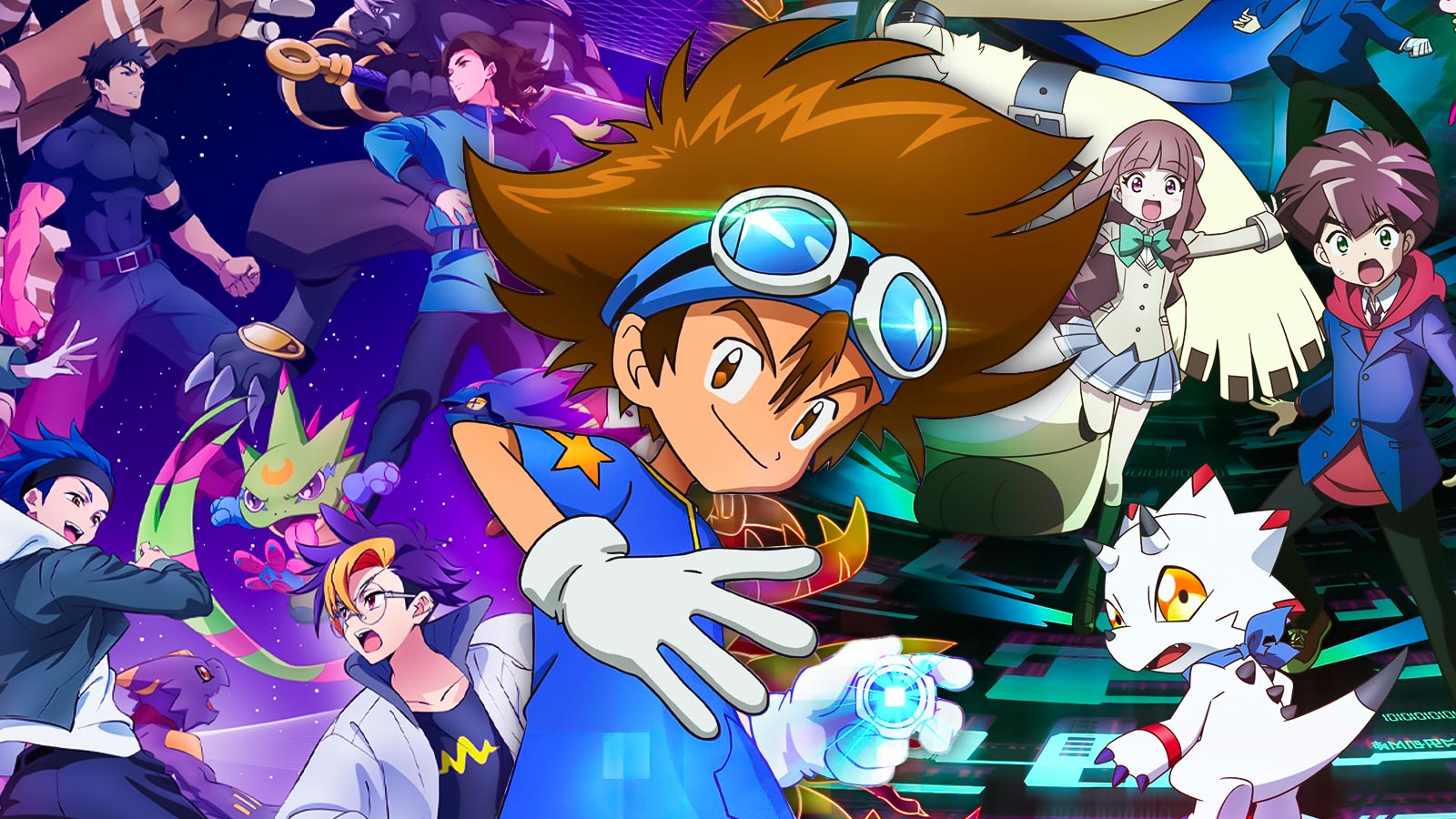
The Digimon Adventure English dub voice actor guide maps out the talented performers who brought the iconic 1999 digital monster series to life for Western audiences. Produced by Saban Entertainment and recorded in Los Angeles, the English version relied on a tight-knit pool of veteran voice actors who shaped childhood memories through distinct catchphrases, dramatic evolutions, and memorable battle cries.
Understanding who voiced these digital monsters and their human partners requires looking past simple cast sheets to examine how Saban's production style, dual-casting choices, and localized scripts molded the original Japanese series into a defining late-90s cultural touchstone.
The DigiDestined Kids and Their Human Voice Actors
The core human cast, known as the DigiDestined or Chosen Children, consisted of seven kids initially pulled into the Digital World, later joined by an eighth. Voice directors cast seasoned Los Angeles talent to capture both the comedic banter and emotional stakes of the script.
- Tai Kamiya: Voiced by Joshua Seth, Tai served as the headstrong, goggles-wearing leader of the group. Seth brought an energetic, impulsive edge to the character that anchored the show's pacing.
- Matt Ishida: Voiced by Michael Reisz, Matt was the brooding, harmonica-playing loner. Reisz gave the character a distinct gravelly introspection, though subsequent video game projects occasionally recast the role.
- Sora Takenouchi: Voiced by Colleen O'Shaughnessey, Sora acted as the group's grounded, maternal caretaker. O'Shaughnessey balanced toughness with deep compassion during critical evolution sequences.
- Izzy Izumi: Voiced by Mona Marshall, Izzy was the tech-savvy intellectual constantly analyzing digital anomalies on his ThinkPad. Marshall injected rapid-fire delivery and scientific curiosity into the character.
- Mimi Tachikawa: Voiced by Philece Sampler, Mimi started as a high-maintenance, dramatic princess before developing into a fierce protector. Sampler leaned heavily into comedic exaggeration without losing the character's heart.
- Joe Kido: Voiced by Michael Lindsay, Joe was the stressed, rule-abiding older student of the group. Lindsay's panicked delivery created some of the series' most memorable comedic relief.
- T.K. Takaishi: Voiced by Wendee Lee, T.K. began the series as the youngest, most vulnerable member before maturing significantly by the time partner Patamon evolved.
- Kari Kamiya: Voiced by Lara Jill Miller, Tai's younger sister joined later in the series arc, carrying a quiet mystical gravity that Miller delivered with distinct softness.
The Digital Partners: Monsters from Rookie to Mega
The Digimon partners required voice actors capable of shouting aggressive attack names while maintaining distinct personalities during quiet dialogue scenes. Saban frequently utilized voice matching where actors maintained roles across evolution stages, though larger forms occasionally shifted to deeper, heavier voice effects.
- Agumon: Voiced by Tom Fahn (with Brianne Brozey voicing infant form Koromon). Fahn provided Agumon's signature raspy, loyal, and food-obsessed tone.
- Gabumon: Voiced by Kirk Thornton. Thornton gave Matt's pelt-wearing partner a calm, protective loyalty that contrasted sharply with Matt's volatile moods.
- Biyomon: Voiced by Tifanie Christun. Christun paired a cheerful, affectionate delivery for Sora's bird companion with fiery combat grit during battle.
- Tentomon: Voiced by Jeff Nimoy. Nimoy famously gave Tentomon a distinct Kansai-equivalent Brooklyn/nyuk-nyuk accent in English, turning the beetle into a wise-cracking mentor.
- Palmon: Voiced by Anna Garduno. Garduno played Palmon with a slightly raspy, sassy attitude that matched Mimi's initial vanity.
- Gomamon: Voiced by Robert Martin Klein. Klein infused Joe's seal partner with a goofy, sarcastic surfer-dude cadence that constantly poked fun at Joe's anxiety.
- Patamon: Voiced by Laura Summer. Summer kept Patamon sounding endearingly cute as a Rookie, holding a stark contrast to the divine gravity of Angemon later on.
- Gatomon: Voiced by Edie Mirman. Mirman captured Gatomon's hardened, cynical survivor backstory shaped by Myotismon's castle before softening up toward Kari.
Key Villains and Supporting Cast Members
The dark forces threatening the Digital World featured some of the most recognizable voices in 90s animation, many of whom voiced multiple background monsters due to union recording constraints and tight studio turnarounds.
- Devimon: Voiced by Tom Wyner. Wyner delivered a chilling, aristocratic menace as the primary antagonist of File Island.
- Etemon and Myotismon: Both voiced by Richard Epcar. Epcar brought theatrical rock-star arrogance to Etemon and outright vampire dread to Myotismon.
- Wizardmon: Voiced by Robert Axelrod. Axelrod gave the tragic wanderer a gentle, resonant warmth that made his sacrifice during the Odaiba arc unforgettable.
- Leomon: Voiced by Paul St. Peter. St. Peter established Leomon's thunderous, noble warrior presence, a role he reprised across multiple Digimon iterations.
Production Realities and Common Fan Misconceptions
When exploring the history of the English adaptation, fans often encounter specific myths regarding how the show was produced. Recognizing these realities clarifies why certain creative choices were made.
- The Saban Sound: Unlike modern faithful subtitles, Saban's production added heavy background music by Udi Harpaz and Shuki Levy, pop culture quips, and re-written script jokes to fit American afternoon television blocks.
- Multiple Roles per Actor: Because the Los Angeles voice pool for non-union and semi-union anime dubs was compact in the late 1990s, actors routinely voiced a main partner, a villain, and three background Digimon in the exact same episode.
- Credit Omissions: Early 2000s anime localizations frequently suffered from missing or incomplete voice cast credits on television broadcasts, forcing fans to rely on fan-run databases like Behind The Voice Actors to trace specific performances.
Frequently Asked Questions
Did the original English cast return for later sequels like Digimon Adventure tri.?
Most of the original voice cast did not return for the English dub of Digimon Adventure tri. or Digimon Adventure: Last Evolution Kizuna, as union disputes, studio relocations, and production shifts led to entirely new LA-based casts recording the later anniversary projects.
Why do some Digimon change voice actors during digivolution?
While characters like Agumon and Gabumon retained their core actors, heavy evolutionary forms like MetalGreymon, WarGreymon, or MegaKabuterimon often required specialized monster voice specialists or heavy audio pitching to sound appropriately massive.
Where was the English dub recorded?
The original series was recorded in Los Angeles, California, utilizing the standard pool of Saban Entertainment and Studiopolis voice talent who also worked on shows like Power Rangers and Flint Time.
Who directed the voice acting for Digimon Adventure?
Bob Buchholz and Richard Epcar served as primary uncredited voice directors during the initial runs, guiding actors through fast-paced dubbing sessions to match Japanese lip flaps while keeping energy high.



