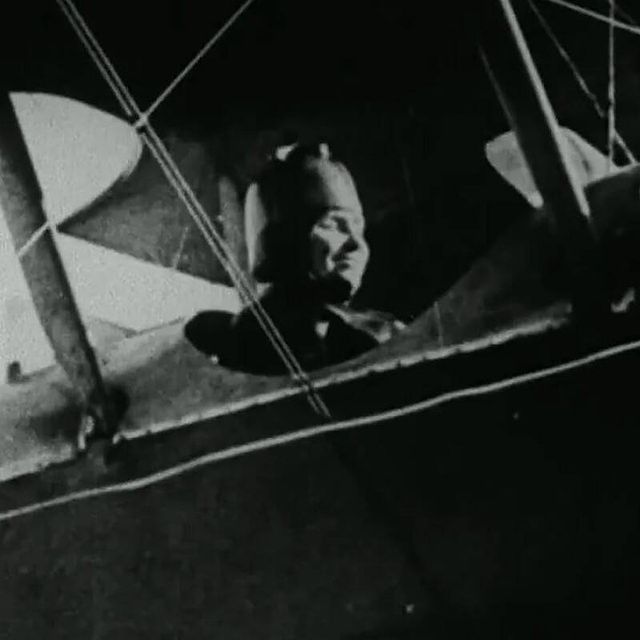
Did Helen Keller fly a plane? The short answer is no, Helen Keller never piloted an aircraft. Yet, this persistent historical rumor continues to circulate online, fueled by viral social media posts and misunderstandings about her adventurous spirit. In reality, while Keller never sat in the pilot's seat or took control of the yoke, she did experience flight firsthand as a passenger on commercial and military aircraft during an era when air travel was still a marvel.
The confusion stems from a mix of genuine historical anecdotes about her encounters with famous aviators, her fearless attitude toward modern technology, and internet sensationalism. To understand where the myth begins and ends, it helps to examine what Keller actually experienced in the skies, how she perceived motion and vibration without sight or hearing, and why stories about her extraordinary life so often blur the line between reality and legend.
Where the Myth Starts: The Real Aviation Connections
While Keller didn't pilot a plane, she was far from a stranger to aviation. During the mid-20th century, commercial flight expanded rapidly, and Keller traveled extensively as an ambassador for the American Foundation for the Blind. Because she crossed oceans and continents to lecture in over 35 countries, she frequently flew on commercial airliners.
Historical archives from the American Foundation for the Blind and Library of Congress document her travels aboard airplanes during the 1940s and 1950s. For a woman who was born in 1880—long before the Wright brothers achieved powered flight at Kitty Hawk—experiencing the rapid evolution of transportation from horse-drawn carriages to pressurized jet cabins was monumental.
Furthermore, Keller met several pioneering aviators throughout her life. She expressed immense admiration for people who pushed the boundaries of human capability, viewing pilots as kindred spirits who defied conventional physical limits. These genuine intersections between Keller and the aviation world likely morphed over time into the exaggerated internet myth that she took the controls herself.
How Helen Keller Experienced Flying Without Sight or Hearing
A common sub-question people ask is how someone who was both deaf and blind could process the intense sensory environment of an airplane. Without vision or hearing, Keller relied heavily on her sense of touch, smell, and her acute sensitivity to kinetic vibrations.
When flying, Keller didn't experience the clouds or the visual horizon, but she experienced flight through the body. She could feel:
- The deep, rhythmic vibration of the engines rumbling through the cabin floor.
- The subtle shifting of air pressure during ascent and descent.
- The tactile sensation of wind and atmospheric shifts when standing near open-cockpit planes during earlier ground demonstrations.
- The gentle banking and turbulence through her physical balance and posture.
Anne Sullivan, and later Polly Thomson, served as her constant companions and interpreters, spelling descriptions into her hand using the manual alphabet. They translated the surrounding atmosphere, describing the vastness of the sky or the mechanics of the machine, allowing Keller to conceptualize the journey in vivid detail.
Timeline of Helen Keller’s Encounters with Flight
To separate fact from fiction, it helps to look at how aviation technology intersected with Keller's lifespan:
- 1903: The Wright brothers make their historic first flight when Keller is 23 years old and a student at Radcliffe College.
- 1910s–1920s: Aviation transitions from a dangerous novelty to a practical mode of transport and military tool. Keller focuses her energy on labor rights, women's suffrage, and advocacy for the blind.
- 1940s: As commercial aviation booms, Keller begins taking passenger flights for her grueling international lecture tours.
- 1950s: Air travel becomes routine for her global travels, with news outlets occasionally photographing her boarding planes, marveling at the speed of modern transit.
Common Misconceptions About Historical Figures and Feats
The rumor that Keller flew a plane fits into a broader pattern of internet folklore where historical icons are retroactively assigned modern-day or superhuman feats. People want trailblazers to have conquered every possible frontier. Because Keller shattered so many barriers regarding education, communication, and social justice, attributing an aviation milestone to her feels narratively satisfying to many online creators.
However, exaggerating history isn't necessary to appreciate Keller's boldness. She didn't need to fly a plane to prove her courage. Her willingness to travel globally, speak before hostile political audiences, and advocate tirelessly for marginalized groups demonstrated a far rarer kind of fearlessness.
Frequently Asked Questions
Did Helen Keller ever express a desire to pilot a plane?
No records in her personal letters, journals, or authorized biographies indicate that Keller wanted to learn how to fly. Her writings focused primarily on social reform, education, sensory perception, and spiritual connection rather than mechanical hobbies.
Did any other prominent women with disabilities fly planes during her lifetime?
While early female aviators like Amelia Earhart and Bessie Coleman broke major barriers in aviation, pioneering pilots with profound sensory disabilities were virtually nonexistent at that time due to strict medical and physical certification requirements for aviators.
How did Helen Keller travel internationally?
Keller traveled extensively by steamship, train, and later in life, commercial airplanes. Her companion Polly Thomson usually managed the logistics, translating spoken instructions and announcements into Keller's hand via tactile signing.
Why do rumors like this spread online?
Viral content often relies on combining a universally recognized historical figure with an unexpected, high-adrenaline activity like aviation. Without fact-checking, speculative blog posts treat creative metaphors or miscaptioned historical photos as literal truth.



