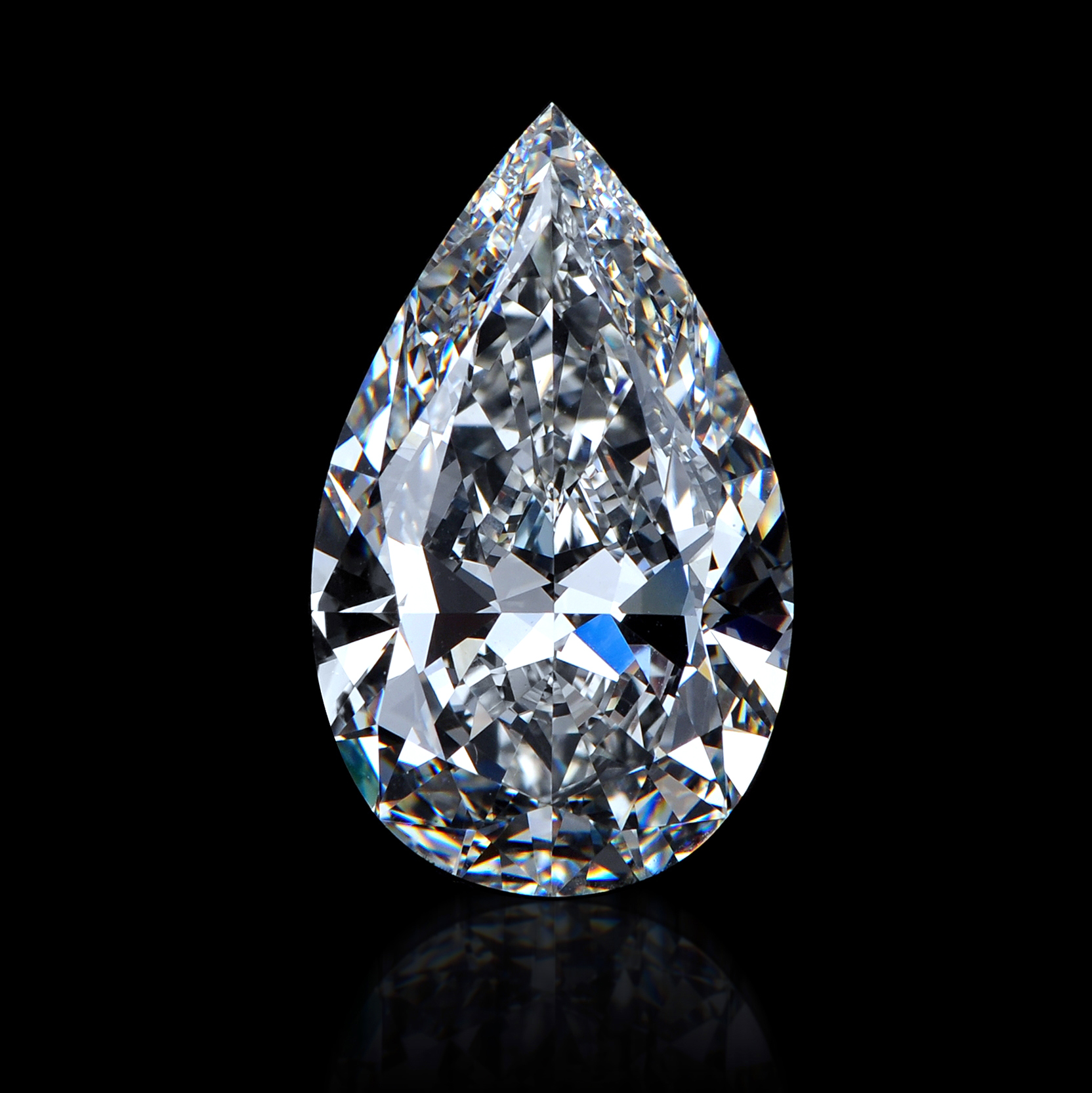
Natural diamond production begins deep within the Earth under extreme heat and pressure over billions of years, while lab-grown alternatives replicate these exact conditions in weeks using high-tech machinery. Understanding both paths reveals how carbon atoms arrange into the hardest known natural material on Earth. You're looking at a fascinating mix of ancient geology and modern physics.
Natural diamonds form roughly one hundred to two hundred kilometers beneath the Earth's crust in the mantle. Carbon atoms bond in a rigid tetrahedral crystal lattice under temperatures reaching one thousand two hundred degrees Celsius and pressures exceeding fifty thousand atmospheres. Deep mantle rocks transport these crystals upward through rare volcanic eruptions known as kimberlite pipes. Miners must process millions of tons of raw ore to extract a tiny fraction of gem-quality rough stones.
Geological Origins and Natural Diamond Production
Earth's mantle holds the raw ingredients for natural diamonds, but getting them to the surface takes geological luck. Mantle plumes push molten kimberlite magma upward at high speeds. These vertical intrusions punch through thick continental crust like bullet trains, trapping chunks of surrounding rock and diamond crystals along the way.
Once the magma cools, it forms carrot-shaped deposits called kimberlite pipes. Geologists survey ancient cratons—stable parts of the continental lithosphere—to find these deposits. Modern exploration relies on aeromagnetic surveys and indicator mineral sampling. If prospectors find specific minerals like pyrope garnets or chromite grains, they know a kimberlite pipe might sit nearby.
Extracting rough stones requires moving massive earth volumes. Open-pit mining removes millions of tons of overburden before reaching the diamond-bearing kimberlite. Underground mining uses block caving methods to tunnel beneath the ore body. Workers crush the excavated rock into smaller pieces and use dense medium separation plants to isolate heavier minerals. X-ray luminescence sorting machines finish the job by flashing beams through the concentrate to spot diamond fluorescence.
Lab-Grown Diamond Production Methods
Technology changed the industry by making it possible to manufacture identical crystals in controlled factory environments. Scientists use two primary manufacturing processes: High Pressure High Temperature and Chemical Vapor Deposition. Both methods start with a tiny diamond seed, but the physics differ completely.
High Pressure High Temperature Production
The High Pressure High Temperature method mimics subterranean geology. Technicians place a diamond seed inside a hydraulic press capable of generating immense pressure and heat. A carbon source, usually ultra-pure graphite, melts in a metal flux solvent surrounding the seed.
As the graphite dissolves and migrates toward the cooler seed, carbon atoms crystallize layer by layer. This process takes a few weeks depending on the target size. You'll find that High Pressure High Temperature stones often display unique metallic inclusions from the flux catalyst, which gemologists use to identify their origin. You can read more about gem identification standards at the Gemological Institute of America.
Chemical Vapor Deposition Production
Chemical Vapor Deposition relies on gas chemistry rather than mechanical presses. Technicians place a flat diamond seed plate inside a sealed vacuum chamber filled with hydrocarbon gas, usually methane, mixed with hydrogen.
Microwave energy or laser beams heat the gas mixture into a glowing plasma ball. This ionization breaks molecular bonds, causing carbon atoms to rain down onto the cooler seed plate. Atoms settle onto the lattice structure, growing upward atom by atom. Operators clean or etch the growing crystal periodically to remove unwanted black graphite buildup.
Cutting and Polishing Rough Diamonds
Raw diamonds look like greasy, distorted pebbles before craftsmen transform them into sparkling gems. Production doesn't stop at extraction or synthesis. Expert polishers evaluate rough stones using advanced 3D scanning software to plan the optimal cut.
The cutting process involves four main steps:
- Planning and marking the stone using laser mapping software to maximize yield and value.
- Cleaving or sawing the rough along its natural crystal planes using high-powered lasers.
- Bruting the stone on a lathe to round out the girdle and shape the basic silhouette.
- Faceting and polishing the pavilion and crown to achieve maximum light refraction.
Master cutters balance weight retention with optical brilliance. A poorly angled pavilion causes light to leak through the bottom, reducing sparkle. Modern facilities use computer-guided robotic arms alongside human artisans to ensure precise symmetry.
Environmental and Economic Realities
The diamond industry faces intense scrutiny over environmental footprints and labor practices. Traditional open-pit mines alter local ecosystems permanently, requiring massive land rehabilitation programs after extraction ceases. Companies must manage tailing ponds and reduce carbon footprints to meet modern regulatory standards. You can track global regulatory frameworks through the Natural Diamond Council.
Lab-grown production consumes significant electrical energy, often relying on fossil-fuel grids unless facilities switch to renewable power sources. Critics point out that rapid scaling drives down market resale values for lab stones, changing how consumers view luxury investments. Mining communities in remote regions rely heavily on fair corporate investments for schools, hospitals, and infrastructure development.
Frequently Asked Questions
How long does it take to grow a lab diamond?
Most commercial lab-grown stones take between two to four weeks to reach one to three carats using either High Pressure High Temperature or Chemical Vapor Deposition methods.
Can you tell the difference between natural and lab diamonds with the naked eye?
No, physical and optical properties are identical. Gemologists require specialized spectroscopy equipment to detect subtle growth traces or nitrogen impurity patterns.
Why do natural diamonds cost more than lab stones?
Rarity drives natural pricing. Mining requires massive capital, complex logistics, and low-yield extraction rates, whereas factories can scale lab production predictably.
Do lab diamonds scratch easily?
No, they possess the exact same hardness rating of ten on the Mohs scale, meaning they resist scratching just as well as mined stones.



