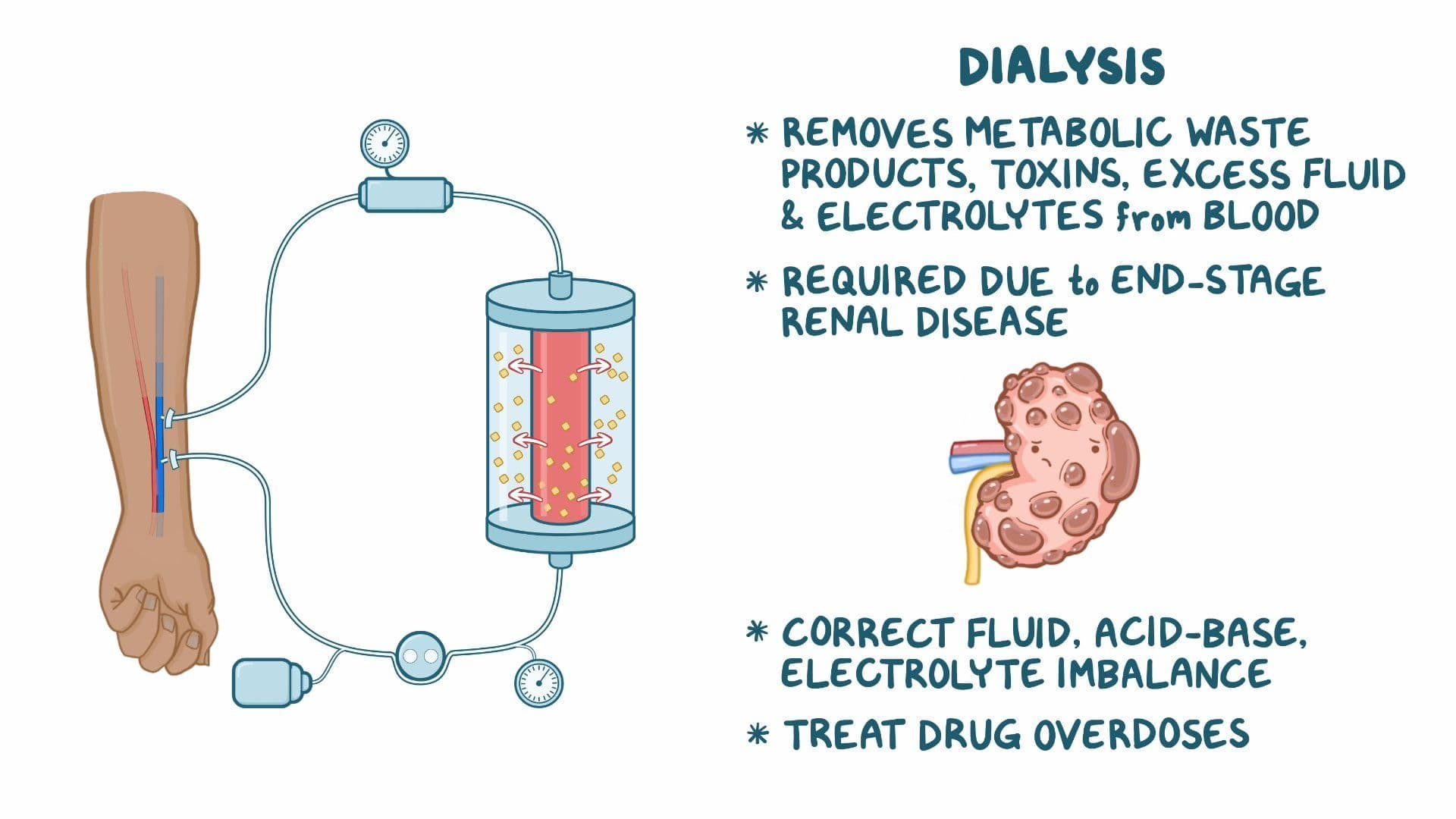
Starting a career as a clinical hemodialysis technician in Utah offers stable employment, competitive pay, and direct patient care impact without requiring a multi-year nursing degree. Healthcare facilities across Salt Lake City, Provo, and Ogden face a steady demand for trained specialists to operate artificial kidney machines and monitor patients during complex treatments.
If you're ready to enter this medical field, you need to understand how local programs work, what certifications employers require, and how to navigate the training pipeline efficiently. Let's break down the exact steps to get certified and hired in Utah.
Utah Dialysis Technician Requirements
Utah doesn't enforce a unique state-specific licensing board for hemodialysis technicians, but employers strictly require national certification within 18 months of hire. Most training programs and hiring managers align their prerequisites with standards set by the Utah Department of Health and Human Services or major national certification bodies.
To enroll in a recognized training program or secure an entry-level position, you must meet baseline requirements:
- Hold a high school diploma or GED equivalent.
- Pass a comprehensive background check and drug screening, as required by clinical facilities.
- Maintain up-to-date immunizations, including hepatitis B, MMR, and annual tuberculosis screenings.
- Possess a valid CPR certification for healthcare providers (American Heart Association BLS).
Training Program Options in Utah
Unlike some states where standalone vocational schools dominate, Utah's dialysis training landscape relies heavily on hospital-based programs, healthcare system pipelines, and technical colleges.
Hospital and Clinic On-The-Job Training
Major dialysis providers like DaVita and Fresenius Medical Care frequently hire candidates as trainee patient care technicians (PCTs). In these roles, companies pay you to complete their internal, board-approved training curriculum. These programs combine classroom instruction with hands-on clinical hours supervised by experienced nurses and senior technicians.
Technical Colleges and Certificate Programs
Several technical colleges and community education centers across Utah offer allied health certificates that include hemodialysis modules. These programs typically last between four to nine months. They cover core medical terminology, renal anatomy and physiology, water treatment system mechanics, and infection control protocols.
What You Will Learn in Class
Your coursework will go far beyond pushing buttons on a machine. You'll spend significant time studying:
- Fluid management: Calculating ultrafiltration rates and monitoring patient weight changes.
- Vascular access: Evaluating and caring for arteriovenous (AV) fistulas, grafts, and central venous catheters.
- Complication recognition: Identifying signs of hypotension, muscle cramps, and dialyzer reactions during treatments.
- Water treatment systems: Understanding reverse osmosis and purity standards required for dialysate fluid preparation.
National Certification Pathways
Once you complete your training hours, passing a national exam is essential for career advancement and job security. Two primary organizations credential dialysis technicians in the United States:
- NNCO (National Nephrology Certification Organization): Awards the Certified Hemodialysis Technician (CHT) credential.
- BONENT (Board of Nephrology Examiners Nursing and Technology): Awards the Certified Hemodialysis Technologist/Technician (CHTT) credential.
Both exams test your knowledge of safety protocols, machine troubleshooting, and clinical procedures. Most Utah employers will sponsor your exam fees or reimburse costs once you pass.
Salary Expectations and Career Growth
Dialysis technicians in Utah enjoy solid compensation that scales with experience and certification level. Entry-level trainees often start around $18 to $22 per hour. Once certified with one to three years of experience, hourly wages typically rise to $24 to $29 per hour, translating to an annual salary between $50,000 and $60,000 before factoring in shift differentials or overtime.
Experienced technicians can advance into biomedical equipment technician roles, clinical coordinator positions, or move into registered nursing (RN) programs with a deep foundation in nephrology.
Frequently Asked Questions
Can I complete dialysis tech training online in Utah?
While you can complete the theoretical and classroom portions online through various allied health platforms, you cannot complete a full program online. Clinical hours must be performed in-person at an active dialysis clinic or hospital under direct RN supervision.
How long does it take to become a certified dialysis technician?
Most programs take between 4 to 12 months to complete. If you enter a paid hospital training pipeline, expect roughly 12 to 16 weeks of intense classroom and clinical orientation before taking your certification exam.
Do I need prior medical experience to start training?
No, prior medical experience isn't required for most entry-level trainee positions or certificate programs. Employers and schools look for strong communication skills, basic math competency for fluid calculations, and a steady hand.
Is a dialysis technician the same thing as a dialysis nurse?
No. Dialysis technicians focus on machine operation, needle cannulation, and patient monitoring during treatment. Dialysis nurses (RNs) handle advanced medication administration, patient assessments, care plan development, and overarching clinical supervision.



