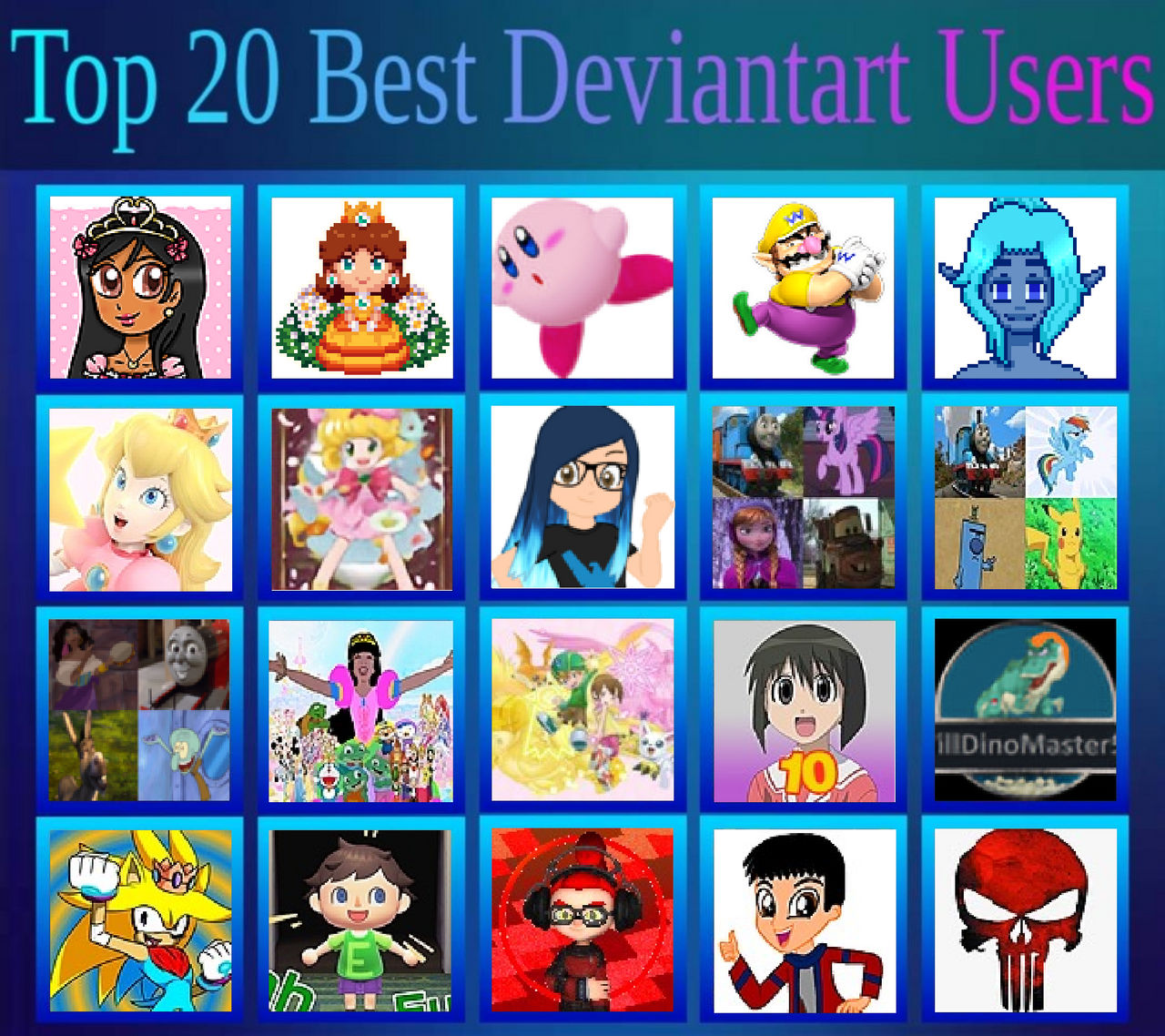
The digital art community is experiencing a massive culture clash as ironic humor overwhelms traditional creative spaces. When you log into creative platforms today, you won't just find digital paintings or detailed character designs. Instead, you'll see low-effort shitposts, surreal meme edits, and ironic screenshot reposts dominating popular feeds. This phenomenon, often called the Deviantart Meme Apocalypse, marks a profound shift in how creative online communities consume and produce comedy. It's not just about silly jokes; it's a fundamental restructuring of what platforms like DeviantArt are used for.
For decades, platforms built for visual artists maintained a strict culture of technical polish, artistic skill sharing, and portfolio curation. The sudden influx of raw, chaotic internet irony has shattered that polite ecosystem. Long-time creators feel alienated by the noise, while newer users treat the site as a massive, unmoderated community board. To understand whether online humor has crossed a line, we need to examine how this memetic takeover happened, why traditional creators are frustrated, and what this shift reveals about modern internet culture.
The Anatomy of the Memetic Shift
The evolution of humor on art-centric platforms didn't happen overnight. It grew from a slow creep of self-aware satire into an all-out flood of hyper-ironic content. When memes invade spaces designed for serious portfolios, the visual language changes rapidly.
Instead of spending forty hours rendering lighting and anatomy, users spend forty seconds pasting a popular reaction image over an old original character sketch. This content thrives because it operates on speed and shared inside jokes. If you don't spend hours on social media or Discord servers, you'll look at the front page of a creative community and feel entirely lost.
- The Low-Effort Aesthetic: Crude MS Paint drawings and distorted screenshots intentionally mock high-skill art standards.
- Absurdist Irony: Content relies on layers of detachment, making it difficult to tell if a post is a genuine mistake or a calculated joke.
- Community Satire: Memes frequently target the platform's own aging user base and the perceived cringe of older online art subcultures.
This shift creates a strange paradox. Users aren't necessarily abandoning artistic skill; they're weaponizing a lack of skill as a comedic device. It's a rejection of digital perfection in favor of raw, unpolished chaos.
Why Traditional Creators Feel Alienated
The friction between traditional artists and meme posters comes down to a fundamental disagreement over purpose. Creators who spent years practicing digital painting view the meme takeover as a devaluation of craft. When a rushed joke gets ten times more visibility than a meticulously painted landscape, it stings.
Many veteran users point out that discovery algorithms reward engagement over quality. Memes generate quick comments, confused reactions, and rapid shares. Thoughtful art demands quiet contemplation, which doesn't perform well in fast-paced feeds.
"We built portfolios here to showcase our professional journeys," shares a digital illustrator active since 2012. "Now, scrolling through the latest feed feels like walking through a chaotic chat room where someone spray-painted memes over the gallery walls."
This disconnect leads to burnout. Many veteran creators migrate to closed Discord servers or alternative portfolio sites, leaving public feeds dominated by hyper-active meme poster groups.
The Rise of Post-Irony and Shock Comedy
Much of the modern internet humor driving this trend leans heavily into shock value and post-irony. Creators take wholesome or nostalgic tropes and twist them into dark, bizarre scenarios. This style of comedy isn't new, but its presence on platforms historically associated with earnest fan art creates intense cognitive dissonance.
When a cheerful cartoon character is juxtaposed with a grim, nihilistic caption, it triggers an immediate reaction. That reaction—whether it's laughter, confusion, or annoyance—is the exact currency that keeps the cycle moving.
- Desensitization: Constant exposure to extreme ironic content raises the baseline for what people find funny, pushing creators to get weirder or louder.
- Community In-Groups: Understanding the joke requires knowing obscure internet history, creating tight-knit bonds among those who get it.
- Exhaustion for Outsiders: Casual visitors find the constant layer of irony tiring, as nothing is ever presented sincerely.
This hyper-ironic environment makes it nearly impossible to have genuine discussions about art or technique. Every serious comment risks becoming the punchline of another user's meta-joke.
Adapting to the New Digital Reality
Platforms cannot easily put the genie back in the bottle. Trying to ban or police ironic humor usually backfires, fueling even more rebellious shitposting. Instead, communities are learning to segment their experiences through custom tags, curated watch feeds, and niche groups.
If you want to survive and find good work in modern creative spaces, you have to navigate the noise. You can't expect a quiet, predictable gallery experience anymore. The digital landscape rewards adaptability, meaning artists and viewers alike must learn to coexist with the chaos.
Frequently Asked Questions
What caused the influx of memes on traditional art platforms?
Changes in platform algorithms, combined with an influx of users from fast-paced social media sites like Twitter and TikTok, drove the shift. Fast, reactive humor naturally outperforms slow-crafted art in modern engagement metrics.
Is this trend killing digital art?
No, but it is changing where and how people find traditional art. While public main feeds get chaotic, many serious artists use specialized galleries, private communities, and direct client networks to share their work.
How can I filter out memes if I just want to see illustrations?
Most platforms offer tag-filtering tools, watch-feed customization, and group directories. Setting up a curated feed that excludes common meme tags helps restore a clean browsing experience.
Why do people prefer low-effort memes over polished art?
Low-effort memes are accessible and participatory. You don't need a drawing tablet or years of training to join the joke, which makes it feel more inclusive to casual internet users.



