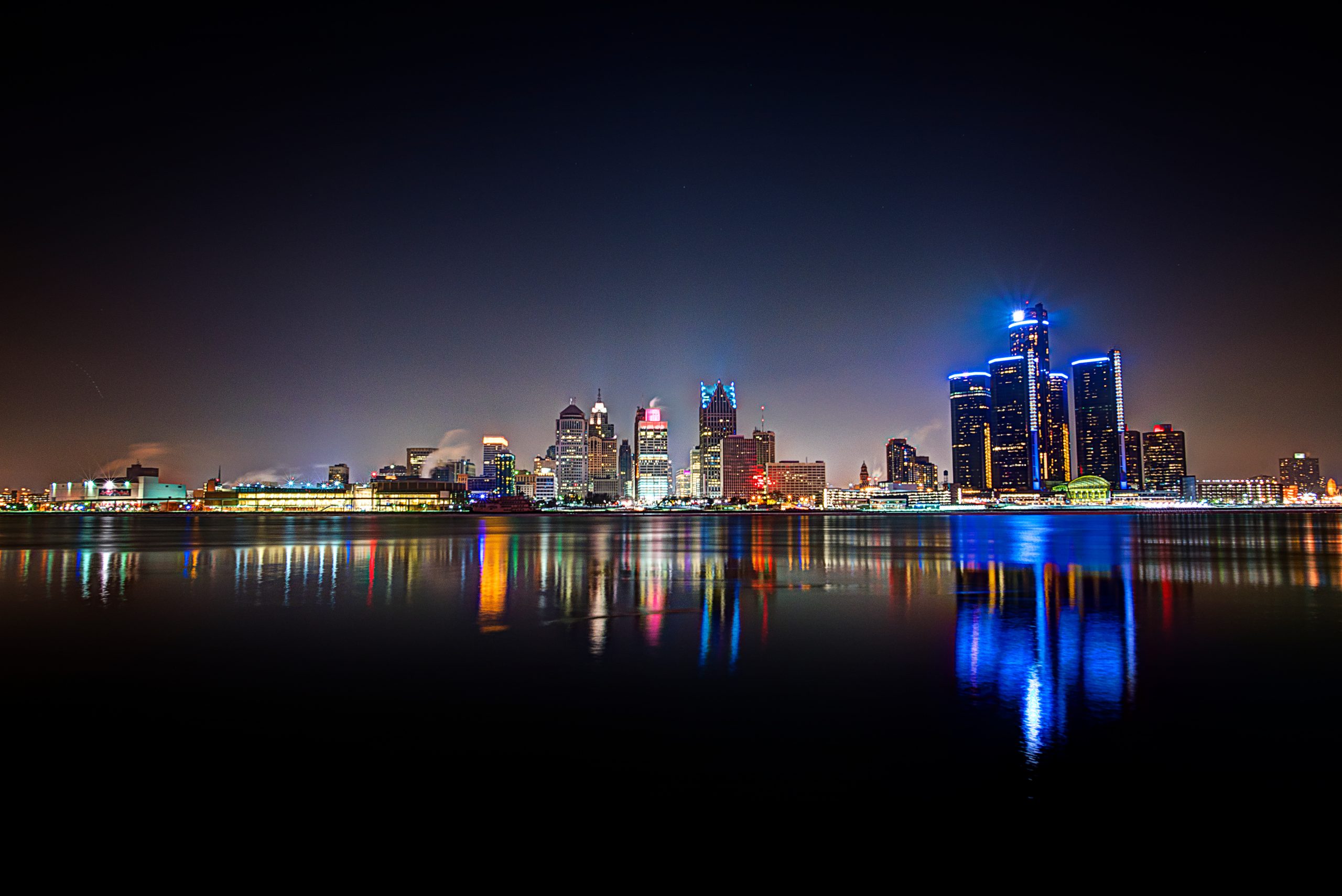
When people talk about America/Detroit time, they usually mean Eastern Standard Time or Eastern Daylight Time. But scratch beneath the surface of the clock face, and a different reality emerges. Detroit time isn't just a geographical time zone offset; it's a distinct cultural construct born from assembly lines, shift work, and industrial resilience. Long after the factory whistles faded, the psychological footprint of industrial labor continued to dictate how the city moves, works, and defines its collective identity.
Understanding Detroit time means looking past standard UTC offsets to examine how labor structures shaped a city's soul. From the legacy of the Ford eight-hour workday to the midnight shifts of the auto plants, time in the Motor City has always been tied directly to production, survival, and community rhythm.
The Industrial Roots of Detroit Time
To understand modern Detroit culture, you have to look at how the clock became master of the house. In the early twentieth century, Henry Ford's implementation of the eight-hour day and the moving assembly line didn't just revolutionize manufacturing—it synchronized an entire regional population. Workers didn't live by sun time anymore; they lived by the factory whistle.
This hyper-structured environment created a unique duality in local identity:
- The Shift Schedule Mentality: Life organized around first, second, and third shifts ingrained a 24-hour communal awareness that most American cities lacked.
- The Punch-Clock Discipline: Punctuality became a moral and social currency, binding neighborhoods together through shared hardship and synchronized labor cycles.
- The Weekend Compensation: Heavy physical labor demanded distinct blocks of hard rest, shaping how Detroiters approached leisure, sports, and weekend traditions.
When the industrial base shifted, the psychological clock didn't break. Instead, it adapted. The rigidity of the factory floor gave way to a more flexible, creative grit, but the underlying respect for hard work and synchronized effort remained intact.
How Labor Shifts Shaped Urban Culture
Industrial schedules bled outward into everyday life, creating cultural touchstones unique to Southeast Michigan. When shifts changed at midnight or dawn, diners, bars, and local businesses adjusted their doors to accommodate workers coming off the line. This created an ecosystem where the standard 9-to-5 rules never quite held absolute sway.
Music culture grew directly out of these temporal constraints. Motown's legendary recording studio, Hitsville U.S.A., operated with a relentless work ethic reminiscent of the assembly line, turning raw talent into polished pop hits on strict internal schedules. Meanwhile, Detroit's electronic music scene—born in the techno clubs of the 1980s—thrived in the late-night hours, providing an expressive outlet for a population accustomed to working when the rest of the country was asleep.
Identity in Detroit became tethered to endurance. Being a "Detroiter" meant navigating economic volatility by bending time to your needs rather than letting rigid structures break you.
Modern Work: Flexibility Meets Legacy
Today, Detroit's economy spans automotive engineering, tech startups in Corktown, and a burgeoning creative class. Yet the ghost of the assembly line still informs modern professional culture.
Remote work and flexible tech schedules have altered downtown foot traffic, but local businesses and institutions retain a distinct pace. Meetings start with a directness born from manufacturing efficiency. Deadlines are treated with solemn gravity. At the same time, the city's renaissance has fostered spaces where traditional hours are tossed aside to support independent makers, artists, and entrepreneurs who operate on their own terms.
If you're managing a remote team or building a business with roots in the region, recognizing this cultural cadence matters. It bridges the gap between cold productivity metrics and human authenticity.
Common Mistakes in Understanding Regional Time
Observers often misinterpret how time functions in industrial and post-industrial cities like Detroit. Avoiding these errors helps you grasp the true rhythm of the region:
- Treating it as mere timezone compliance: Assuming Detroit time is identical to New York or Atlanta time ignores the deep-seated cultural variations in how shifts, leisure, and labor are valued.
- Overlooking the 24-hour legacy: Assuming the city shuts down early because of population shifts misses the active nocturnal infrastructure built by decades of shift work.
- Confusing stagnation with patience: Mistaking Detroit's measured, deliberate approach to long-term revitalization for slowness, rather than recognizing it as calculated resilience.
Frequently Asked Questions
What time zone does Detroit observe?
Detroit observes Eastern Standard Time (EST) during the winter months and Eastern Daylight Time (EDT) during daylight saving time changes, aligning with the broader Eastern Time Zone of the United States.
How did the auto industry influence Detroit's daily schedule?
The implementation of standardized shift work by major automakers established multi-tiered daily routines for hundreds of thousands of residents, influencing everything from when restaurants opened to how public transit operated.
Is Detroit's work culture different from other major US cities?
Yes. While it shares corporate structures with cities like Chicago or New York, Detroit's working identity retains a distinct blue-collar ethos emphasizing grit, direct communication, and adaptability forged through economic transformations.
How do local creative industries operate within Detroit time?
Artists, designers, and musicians in Detroit frequently leverage the city's affordable industrial spaces and independent spirit to work outside traditional corporate hours, fostering a vibrant late-night and underground cultural scene.



