Dessert wine isn't an afterthought poured into a tiny glass at the end of a long meal. It is the result of extreme viticulture, precise timing, and natural chemistry that concentrates sugars to extraordinary levels. Whether grapes are baked by the autumn sun on steep European slopes or frozen solid on the vine in Canada, crafting these rich bottles demands patience and risk.
You'll find that the magic behind these sweet finishes comes down to how winemakers stop fermentation or concentrate fruit sugars before yeast converts every last drop into alcohol. From late-harvest Rieslings to fortified Port, these distinct styles offer a masterclass in balance, where high acidity cuts through intense residual sugar to prevent cloying heaviness.
How Sweetness is Captured in the Vineyard
The production of fine dessert wine relies on keeping natural grape sugars intact while achieving complex flavor profiles. Winemakers use several distinct methods to elevate sugar levels long before the grapes ever reach the fermentation tanks.
- Late Harvest: Grapes hang on the vine weeks past the normal picking date, dehydrating like raisins and concentrating sugars, acids, and flavors.
- Noble Rot (Botrytis cinerea): A beneficial fungus pierces grape skins, evaporating water content while leaving behind honey, ginger, and saffron aromatics.
- Icewine: Grapes freeze naturally on the vine and are pressed while frozen, leaving ice crystals behind and yielding intensely sweet, concentrated juice.
- Fortification: Winemakers add neutral grape spirit during fermentation, killing the yeast early to leave unfermented natural sugars intact.
Major Global Styles and Regional Profiles
Each dessert wine style reflects its specific geography and climate constraints. Understanding these regional differences helps you choose the right bottle for your palate or cheese board.
Sauternes and Botrytis-Affected Wines
Produced in the Graves section of Bordeaux, Sauternes relies heavily on morning mists from the Ciron river that encourage Botrytis cinerea. Sémillon and Sauvignon Blanc grapes shrivel under afternoon sun, creating golden nectar with notes of apricot, honey, and toasted nuts. You can explore regional classifications through Wine Folly to see how soil composition shapes these bottles.
Port and Fortified Classics
Hailing from the Douro Valley in Portugal, Port is fortified with brandy during fermentation. This process preserves natural fruit sweetness while raising the alcohol content to around twenty percent. Tawny ports age in wooden barrels for decades, developing complex flavors of dried fig, walnut, and caramel.
Eiswein and German Riesling
In Germany, Austria, and parts of North America, producers wait for temperatures to drop below minus eight degrees Celsius before harvesting frozen grapes by headlamp. The resulting Eiswein offers vibrant, laser-focused acidity balanced against intense tropical fruit flavors.
Perfecting Dessert Wine Pairings
Pairing sweet wine requires matching the wine's weight and acidity to the food on the plate. If your food is less sweet than the wine, the wine will taste flat and metallic.
- Blue Cheese: Pair pungent, salty cheeses like Roquefort or Stilton with aged Tawny Port or sweet Sauternes. The contrast between salt and sugar creates an exceptional balance.
- Fruit Tarts: Match stone fruit tarts or lemon meringue pies with late-harvest Riesling or high-acid botrytized wines.
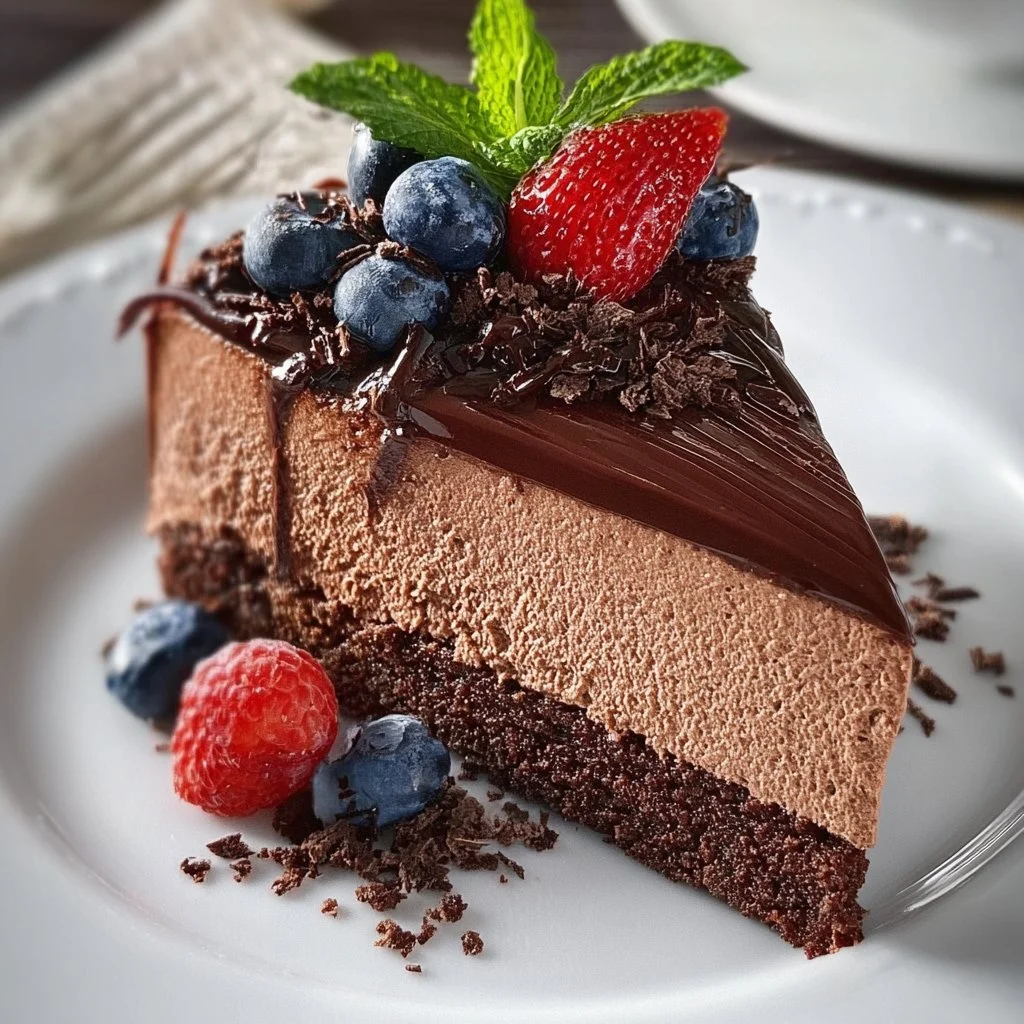
- Dark Chocolate: Choose a robust, ruby-style fortified wine to stand up to the bitterness of high-cacao chocolate without tasting overwhelmed.
Common Mistakes When Serving Sweet Wine
Many drinkers make simple errors that mask the delicate aromatics of quality dessert bottles. Avoiding these missteps ensures a better tasting experience.
- Serving Too Warm: Pour dessert wines too warm, and the alcohol fumes will overpower the fruit. Keep lighter styles chilled and richer styles slightly below room temperature.
- Using Standard Wine Glasses: Standard glasses concentrate harsh ethanol smells. Use smaller dessert or tulip-shaped glassware to direct aromas toward your nose.
- Pouring Large Portions: Because of their high sugar and alcohol content, standard pours should range between two and three ounces rather than standard five-ounce servings.
Frequently Asked Questions
How long does an opened bottle of dessert wine last?
Most opened dessert wines last much longer than dry table wines thanks to their sugar and alcohol content. Lighter late-harvest wines last up to a week in the fridge, while fortified wines like Port can last for several weeks if corked and kept cool.
Is dessert wine always sweet?
While most styles contain significant residual sugar, their sweetness is balanced by sharp natural acidity or high alcohol. This structure prevents them from tasting like simple syrup.
Can dessert wines be aged in the cellar?
Yes. High-end Sauternes, vintage Port, and top-tier German Riesling Auslese can age for decades, gradually shifting from bright fruit notes to complex secondary flavors like leather, dried mushroom, and toffee.
What temperature should dessert wine be served at?
Serve lighter styles like Icewine and Moscato well-chilled around 45 degrees Fahrenheit. Richer styles like vintage Port or aged Madeira shine slightly warmer, around 60 degrees Fahrenheit.



