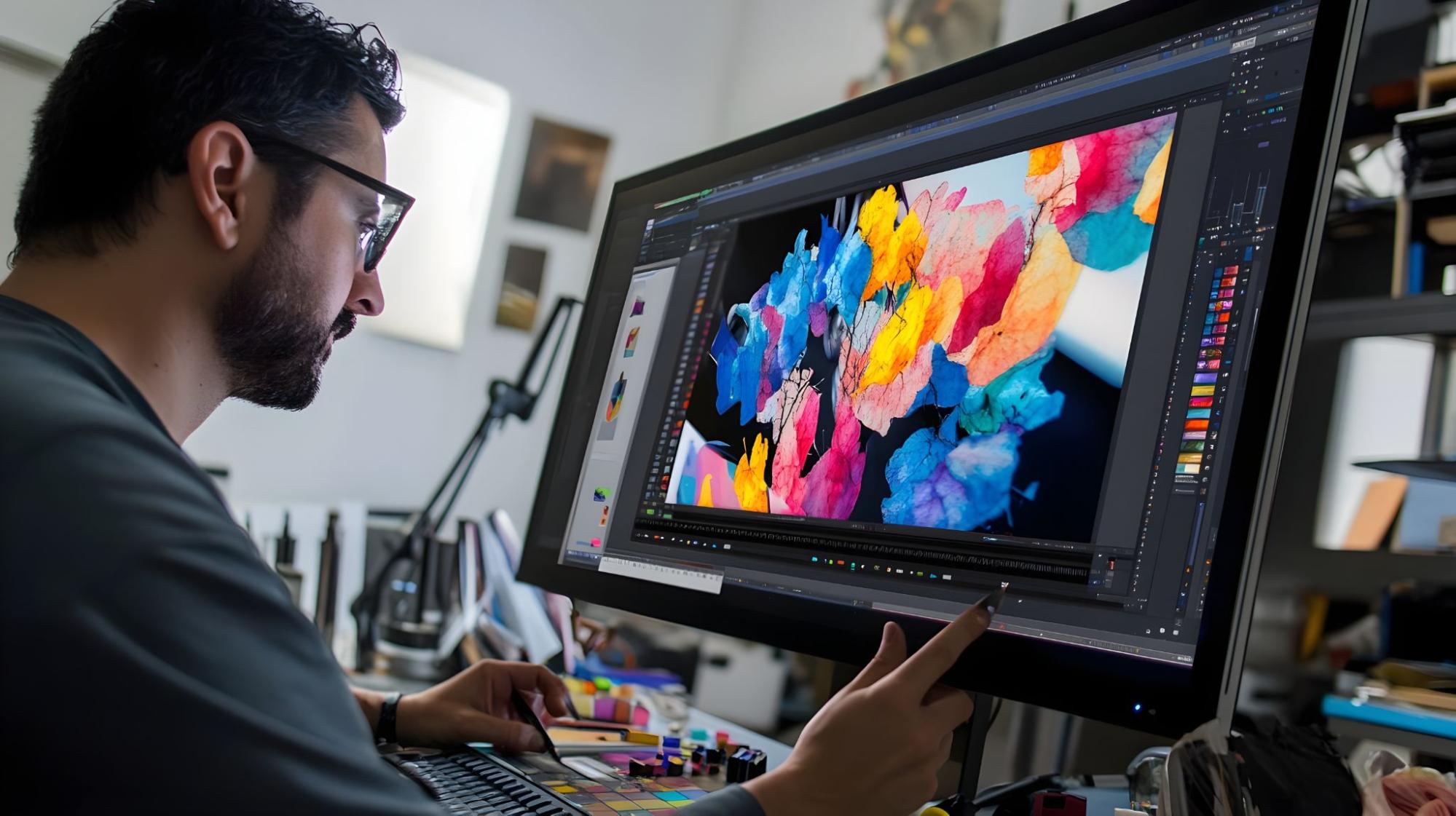
Creating a custom strip for your team starts long before the whistle blows. Whether you play in a weekend league or build digital concepts for fun, you need a clear plan to turn your vision into professional sportswear.
A great jersey balances team identity, color theory, and functional fabric choices. If you rush the layout, you end up with clashing colors and illegible squad numbers. This guide walks you through every step required to build a standout strip from scratch.
Finding Your Visual Identity
Every iconic kit tells a story. Before you open a design template, look at your club's history, local geography, or cultural roots. You want a theme that connects players and supporters instantly.
- Club Heritage: Look at past crests, club colors, or regional flags for natural inspiration.
- Modern Aesthetics: Balance classic stripes with contemporary geometric patterns or minimalist accents.
- Player Psychology: Choose dominant colors that project confidence on the pitch.
Don't copy existing professional templates too closely. Instead, adapt classic motifs like central hoops, diagonal sashes, or pinstripes into something unique for your squad.
Choosing Colors and Patterns
Color choice defines visibility and mood. Stick to a maximum of three core colors to keep the design clean. You need a primary base color, a secondary color for sleeves and collars, and a sharp accent color for trim and sponsor logos.
High contrast matters. Dark shirts need light numbers so referees can spot players easily. If you pick a navy blue base, use white or bright yellow typography.
Pattern selection dictates how dynamic the shirt looks in motion. Traditional vertical stripes slim the torso, while horizontal hoops broaden the frame. Modern sublimation printing allows for complex fades, subtle tonal graphics, and gradient textures that look sharp under stadium lights.
Integrating Crests and Sponsors
Your badge is the heart of the jersey. Place it over the heart on the left chest, with your manufacturer logo or brand mark balanced on the right.
Sponsor placement requires careful scaling. A massive block logo ruins an otherwise elegant chest design. Work with monochrome versions of sponsor logos if the original brand colors clash with your palette.
Typography for names and numbers must remain legible from a distance. Standard block fonts work well, but custom geometric typefaces add a modern edge. Check out the typography guidelines on FIFA for official tournament numbering regulations if you plan to compete in sanctioned events.
Fabric Selection and Technical Specs
A great visual design fails if the material feels cheap or heavy. Modern football kits rely on lightweight polyester blends engineered for high-performance athletics.
Look for moisture-wicking technology that pulls sweat away from the skin during intense matches. Mesh side panels improve breathability in high-heat areas. For professional production standards, review technical apparel specifications provided by major sportswear brands like Adidas.
Common Mistakes to Avoid
Amateur designers often fall into predictable traps that hurt the final product. Watch out for these common errors:
- Too many details: Cluttering the chest with gradients, sponsors, and busy patterns makes the shirt look messy.
- Poor contrast: Using dark grey text on a black background makes player numbers unreadable.
- Ignoring traditions: Straying too far from core club colors often alienates loyal supporters.
- Skipping physical samples: Ordering fifty kits without checking a physical prototype first usually leads to sizing or color discrepancies.
Frequently Asked Questions
How many colors should a football kit have?
Stick to two or three main colors. Using more than three creates visual clutter and makes matching shorts and socks difficult.
What is the best file format for printing a custom crest?
Always use vector formats like SVG or AI. Raster images like JPEG or PNG lose quality and appear pixelated when printed on fabric.
Can I design a football kit on my phone?
Yes. Several mobile apps and online configurators let you build and preview custom shirts directly from your device before sending files to a manufacturer.
How do I ensure player numbers meet league rules?
Most leagues require contrasting block numbers on the back and smaller numbers on the front or shorts. Always check your specific league handbook before finalizing typography.



