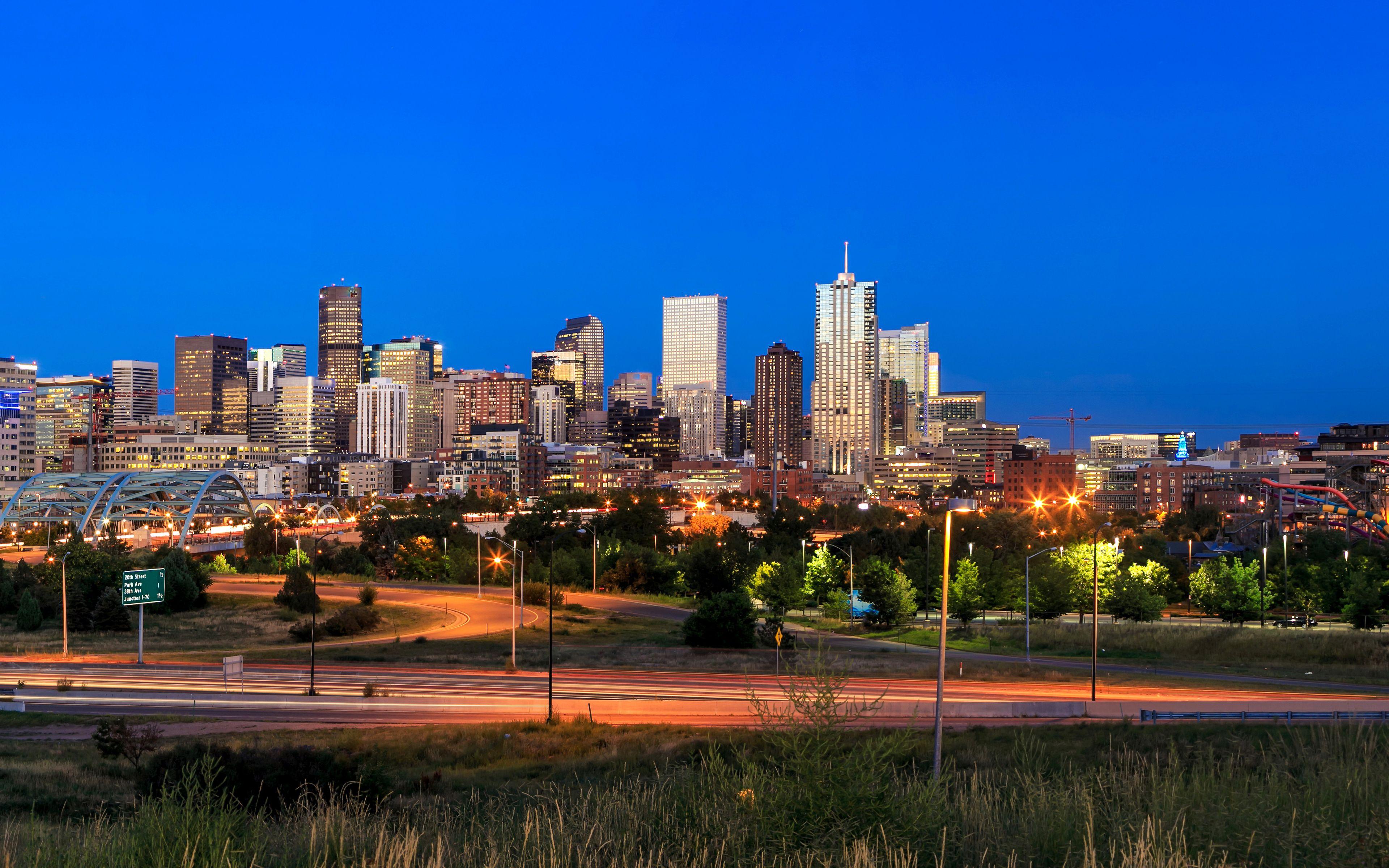
Mountain Time operates on a distinct rhythm that bridges the gap between the frantic pace of the East Coast and the laid-back attitude of the Pacific. If you are scheduling calls, planning a move, or simply trying to understand how Denver clocks tick, knowing the exact offsets changes everything. Denver sits in the Mountain Time Zone, observing Mountain Standard Time (MST, UTC-7) during the winter months and Mountain Daylight Time (MDT, UTC-6) during the summer. This placement puts the city two hours behind New York and one hour ahead of Los Angeles, creating a unique geographic and psychological middle ground.
Daily life in this zone revolves heavily around natural daylight patterns and outdoor recreation culture. Because sunset shifts dramatically across the seasons in the Rocky Mountain region, residents adapt their working hours, exercise routines, and social calendars to maximize daylight. Understanding how this specific offset functions helps you coordinate national teams, manage remote work schedules, and appreciate why life in Colorado moves at its own distinct tempo.
Mechanics of the Denver Time Zone
Denver operates on UTC-7 for standard time and UTC-6 for daylight saving time. The transition happens twice a year, aligning with federal regulations across most of the United States. Clocks spring forward one hour on the second Sunday in March and fall back one hour on the first Sunday in November.
This shift alters how Denver relates to global and domestic business hubs. For example, when New York is waking up at 9:00 AM Eastern Time, Denver is just firing up coffee pots at 7:00 AM Mountain Time. Conversely, San Francisco residents on Pacific Time are one hour behind Denver, meaning a 5:00 PM closing call in Colorado hits the West Coast at a manageable 4:00 PM.
Standard Time Versus Daylight Saving Time
The shift between MST and MDT creates noticeable changes in evening daylight. During summer months under MDT, sunsets in Denver can stretch past 8:30 PM, giving residents ample time after a standard workday to hit mountain trails or cycle through city parks. Winter brings early darkness, with MST pushing sunsets closer to 4:30 PM. This contrast shapes seasonal habits, driving outdoor fitness spikes in summer and cozy indoor routines in winter.
How Mountain Time Shapes Daily Routines
Time zones do more than dictate what numbers appear on a digital clock; they structurally influence commerce, media consumption, and work-life balance.
- The Remote Work Advantage: Being centrally located within the continental United States makes Denver an ideal hub for remote workers. You can easily book morning syncs with East Coast clients and afternoon check-ins with West Coast partners without pulling extreme hours.
- Early-Riser Culture: Because the sun crests the Rockies early during summer months, local businesses often open their doors earlier. Coffee shops fill up by 6:30 AM, and trailheads see heavy foot traffic before standard office hours begin.
- Media and Financial Markets: Financial markets in New York open at 9:30 AM Eastern Time, which translates to 7:30 AM in Denver. Traders and finance professionals in Colorado must adjust to early morning briefings. Major television broadcasts and live sporting events similarly air earlier relative to local evening hours.
Geographic Boundaries and Quirks
The Mountain Time Zone covers a massive expanse of the American West, but it contains notable local variations. While all of Colorado observes Mountain Time, neighboring states and counties sometimes fracture standard boundaries. For official federal guidelines and time zone maps, you can review resources provided by the National Institute of Standards and Technology.
Navigating these borders requires attention if you travel frequently within the region. Certain western territories or tribal lands maintain unique observances regarding daylight saving time, meaning a short drive across a state line can occasionally disrupt your calendar sync.
Common Scheduling Mistakes to Avoid
Miscalculating time zone conversions remains a frequent pitfall for remote teams and travelers. Keep these common errors in mind to prevent missed appointments:
- Ignoring the Transition Dates: Failing to account for the exact weekend when daylight saving time ends or begins causes a one-hour mismatch with international or non-observing partners for a brief multi-week window.
- Confusing Mountain Time with Central Time: It is easy to mix up MST with CST when booking cross-country flights or virtual conferences, pushing your schedule off by a full sixty minutes.
- Assuming Uniform Business Hours: Because Denver wakes up earlier relative to the Pacific Coast, expecting a West Coast colleague to answer urgent messages at 8:00 AM Mountain Time often leads to frustration.
Frequently Asked Questions
What is the exact time difference between Denver and New York?
Denver is consistently two hours behind New York year-round. When it is 12:00 PM in New York, it is 10:00 AM in Denver, regardless of whether daylight saving time is active.
Does all of Colorado stay on Mountain Time?
Yes, the entire state of Colorado observes the Mountain Time Zone and follows federal daylight saving time rules uniformly.
How does Mountain Time affect remote work coordination?
The central positioning allows professionals to overlap comfortably with both Eastern and Pacific standard working hours, making it one of the most flexible time zones for national communication. For travel planning tools, check the Official Denver Tourism Site for local event scheduling tips.
Why do evenings feel longer in Denver during summer?
Because Denver sits near the western edge of its time zone boundary and adopts Mountain Daylight Time, solar noon occurs later relative to clock time, stretching daylight deep into the evening hours.



