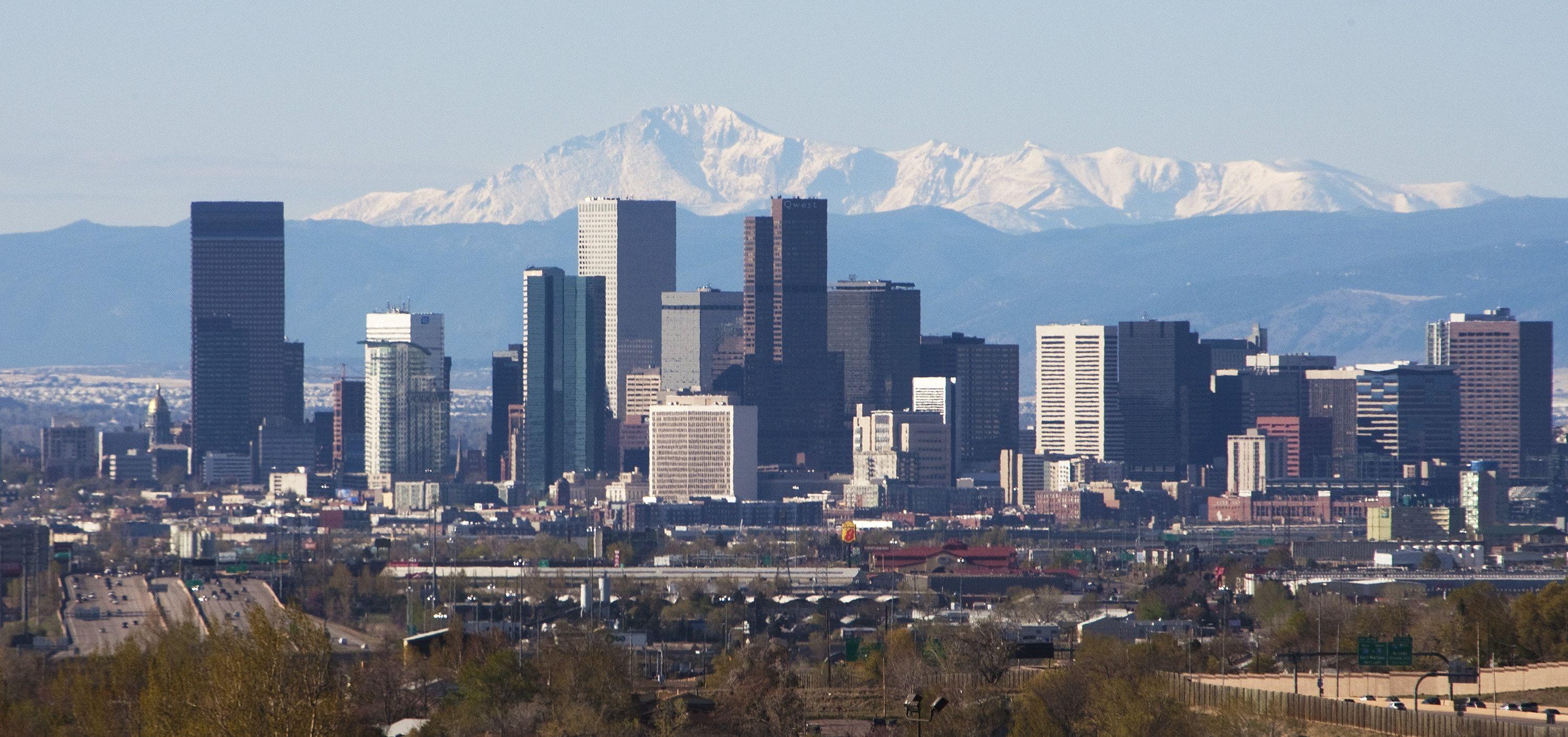
Denver International Airport operates as the primary high-altitude aviation hub in North America, managing massive passenger volumes while contending with unique environmental constraints. Situated over 5,000 feet above sea level, the facility relies on sprawling acreage and specialized infrastructure to connect the Rocky Mountain region to global markets.
Understanding how Denver International Airport handles its extreme elevation, massive footprint, and ongoing modernization projects reveals the complexities of running a mega-hub. The facility doesn't just move people; it functions as an economic engine for Colorado while pushing the limits of aircraft performance in thin air.
Altitude Realities and Aircraft Performance
Operating an airport at 5,387 feet above sea level introduces severe aerodynamic challenges. Lower atmospheric pressure means reduced air density, which directly impacts both lift generation and engine efficiency. Planes require longer takeoff rolls because engines produce less thrust and wings generate less lift until the aircraft achieves higher ground speeds.
Summer heat compounds these difficulties. When ambient temperatures rise, density altitude climbs significantly, sometimes making conditions feel as though the aircraft is operating at over 8,000 feet. Airlines factor these variables into payload limits, fuel loads, and departure runways.
To accommodate these performance realities, the airfield features exceptionally long pavement. Runway 16R/34L stretches for 16,000 feet, making it the longest commercial runway in North America. This immense length gives heavily loaded wide-body jets the extra distance required to lift off safely during warm summer afternoons when thin air robs engines of peak performance.
Master Layout and Terminal Architecture
The airport spans roughly 53 square miles, making it the largest airport in the United States by land area. This vast footprint was intentionally designed to isolate aircraft movement from terminal congestion, preventing the gridlock common at older, land-locked urban airports.
- Jeppesen Terminal: The iconic tented central terminal handles ticketing, baggage claim, and security screening. Its fabric roof mirrors the snow-capped Rocky Mountains.
- Concourse A: Connects via a pedestrian bridge or underground train system, handling a mix of domestic and international flights.
- Concourse B: Serves as the primary operational base for United Airlines, featuring the highest concentration of gates and heavy traffic volume.
- Concourse C: Primarily houses Southwest Airlines operations alongside regional carriers.
Passengers move between the central terminal and the three parallel concourses using an underground automated guideway transit system. Because the concourses sit miles apart separated by active taxiways, walking between them is impossible, making the underground train the central artery of the passenger experience.
Managing Record-Breaking Passenger Volumes
Passenger traffic through the facility has surged past previous historical models, with the airport regularly serving over 80 million travelers annually. This rapid growth strained legacy infrastructure, prompting extensive terminal and gate renovations designed to handle future expansion toward 100 million annual passengers.
The multi-phase Great Hall Project redesigns the Jeppesen Terminal to improve security throughput and passenger flow. By modernizing security checkpoints and relocating ticketing counters, the airport aims to eliminate bottlenecks that historically caused long queues at peak travel hours.
Airlines have also invested heavily in physical expansions. Recent concourse gate additions across Concourses A, B, and C brought dozens of new boarding bridges into service. These expansions give carriers room to base more aircraft locally and introduce additional nonstop domestic and international routes.
Economic Impact on the Rocky Mountain Region
Beyond its function as a transit point, the airport acts as a primary economic catalyst for the American West. Billions of dollars flow through the local economy annually, supported by direct employment for tens of thousands of aviation, cargo, and hospitality workers.
- Cargo Operations: Dedicated freight facilities handle massive volumes of international cargo, serving as a distribution center for the Rocky Mountain states.
- Tourism Access: The hub provides direct entry for millions of tourists traveling to Colorado ski resorts, national parks, and business centers.
- Regional Connectivity: Smaller regional airports across Wyoming, Montana, and western Nebraska rely on the hub for connecting flights to global destinations.
This concentration of traffic makes the facility a crucial node in the national airspace system. Delays or weather disruptions at the airport ripple across the country, affecting flight schedules from coast to coast.
Common Traveler Mistakes and Practical Tips
Navigating a mega-hub of this scale requires preparation. Travelers unfamiliar with the layout often run into avoidable delays.
- Underestimating Transit Times: Checking bags, clearing security, and taking the underground train to Concourse B or C takes longer than at smaller regional facilities. Arriving at least two hours before domestic flights is standard practice.
- Ignoring Weather Vulnerabilities: Mountain weather shifts rapidly. Sudden winter snowstorms or spring convective activity can trigger ground stops, requiring passengers to monitor airline apps closely.
- Confusing Terminal Sides: The terminal splits into East and West sides based on airline. Dropping passengers off on the wrong side adds unnecessary walking and terminal congestion. Check your specific airline's designated side before arriving.
For official updates on security wait times, parking availability, and flight statuses, consult the Denver International Airport Official Site. You can also review aviation safety guidelines and airspace management via the Federal Aviation Administration.
Frequently Asked Questions
Why do planes take longer to take off from this airport?
The elevation of over 5,000 feet creates thin air with lower density. This reduces engine thrust and wing lift, requiring aircraft to accelerate down longer runways before achieving flight speed.
Can you walk between the concourses?
No, the concourses are isolated by active taxiways and vast distances. Passengers must use the underground underground train system to travel between the Jeppesen Terminal and Concourses A, B, and C.
How many runways does the facility operate?
The airfield features six independent runways, including a massive 16,000-foot runway that accommodates heavily loaded international flights operating in high-altitude conditions.
What is the purpose of the tented roof on the main terminal?
The peaked fabric roof of the Jeppesen Terminal was engineered to withstand heavy snow loads while mimicking the visual silhouette of the nearby Rocky Mountain peaks.
How is the airport preparing for future growth?
Ongoing infrastructure initiatives like the Great Hall Project and recent gate expansions across all major concourses aim to modernize security screening and increase capacity to support over 100 million annual travelers.


