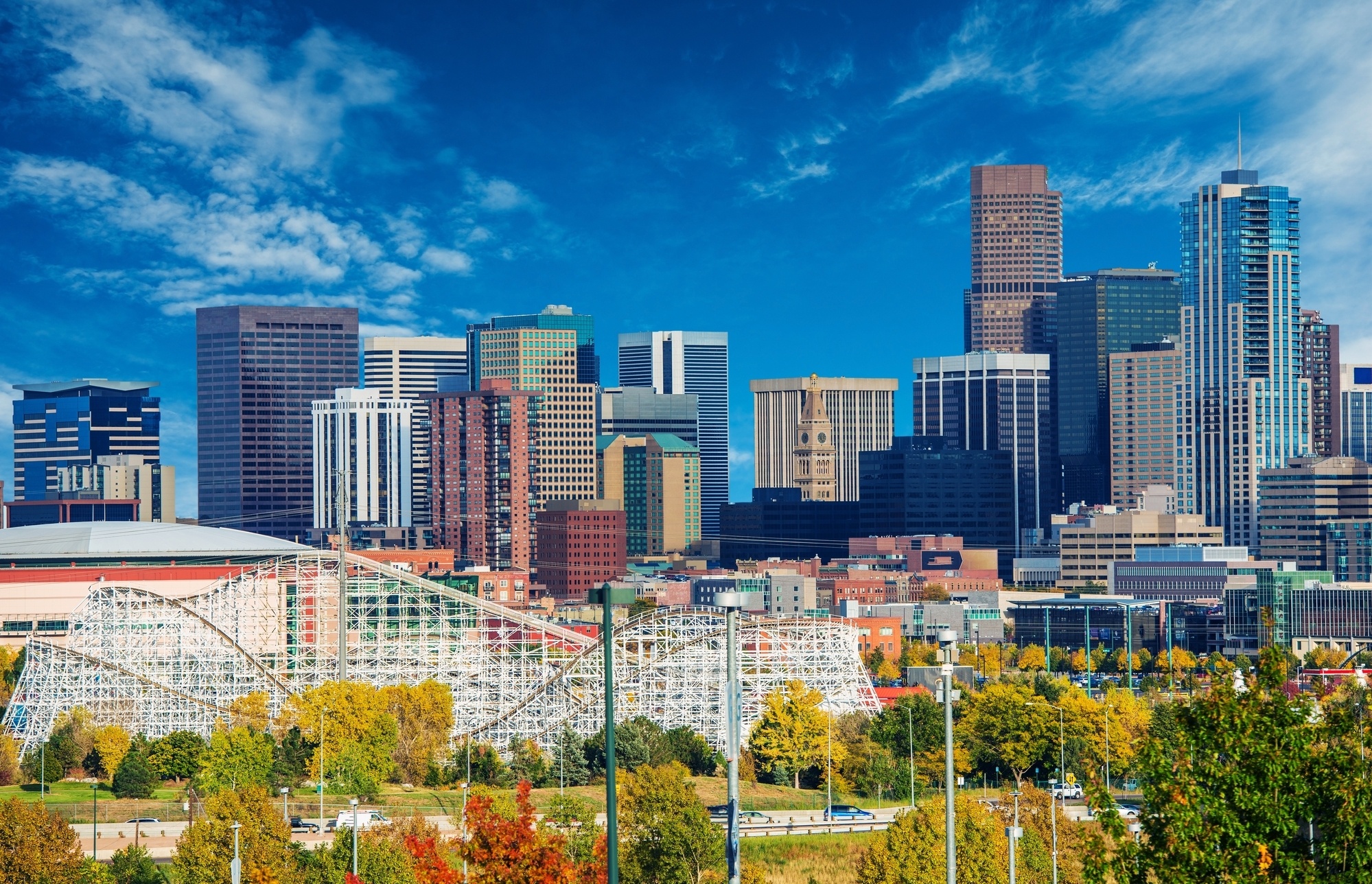
Denver operates on Mountain Standard Time (MST) during the winter months, sitting at UTC-7, and shifts to Mountain Daylight Time (MDT) at UTC-6 during the summer. Knowing the exact local time matters for coordinating business logistics, scheduling virtual meetings across North America, or catching flights out of Denver International Airport. If you're syncing with teams on the East Coast or the West Coast, Denver sits comfortably in the middle, trailing New York by two hours and leading Los Angeles by one hour.
Beyond checking the clock, tracking the pulse of this high-altitude urban center means looking at how its geographic positioning influences a rapidly expanding regional economy. From aerospace hubs to a booming tech corridor, the Mile High City acts as the primary gravitational pull for the Rocky Mountain West.
Understanding Denver Time and Seasonal Shifts
The local clock in Denver is governed by the Mountain Time Zone, which covers a massive slice of the western United States. Daylight Saving Time rules dictate that clocks spring forward one hour on the second Sunday in March and fall back one hour on the first Sunday in November.
When the time shifts back to standard time in late autumn, daylight hours shrink noticeably, giving residents roughly ten hours of sunlight per day. Summer months stretch evening daylight past 8:00 PM, driving outdoor culture and late-afternoon commerce.
For professionals managing distributed teams, translating these hours correctly avoids missed calls. Standard business hours from 9:00 AM to 5:00 PM in New York translate to 7:00 AM to 3:00 PM in Denver. Meanwhile, London offices operating on GMT/BST are seven to eight hours ahead, meaning morning coordination with British partners happens early in the Denver workday.
The Economic Engine Driving the Mountain West
Time zones are just the framework; the real story of Denver lies in its economic acceleration. Sitting at an elevation of exactly one mile above sea level, the city anchors a metropolitan region housing over 2.5 million people. According to the U.S. Census Bureau, the population within the city and county limits has continued a steady upward trajectory, crossing past 740,000 residents.
This demographic growth aligns with strong economic indicators across Colorado, where the gross state product reaches multi-billion dollar heights. Key sectors fueling this regional momentum include:
- Aerospace and Defense: Colorado ranks among the nation's top aerospace economies, hosting major defense contractors and research facilities.
- Technology and Telecommunications: Often dubbed the "Silicon Mountain," the area attracts software startups and enterprise tech campuses migrating from coastal tech hubs.
- Energy and Sustainability: Traditional energy sectors sit alongside a surging clean-tech and renewable energy engineering base.
- Logistics and Aviation: Denver International Airport serves as a massive connecting hub for North American and international transit, driving continuous commercial real estate activity.
Urban Density and Infrastructure Growth
A growing population places unique demands on municipal infrastructure. Urban planners in Denver focus heavily on transit-oriented development, expanding light rail networks, and modernizing bike corridors to manage congestion.
Office vacancy rates and commercial building permits fluctuate as hybrid work models reshape downtown commercial spaces. Even with shifting workplace dynamics, residential demand remains resilient. The local median household income hovers near $94,700, reflecting a highly educated workforce drawn to the region's unique blend of urban amenities and outdoor recreation.
Frequently Asked Questions
What time zone is Denver in right now?
Denver observes Mountain Standard Time (MST, UTC-7) during winter and Mountain Daylight Time (MDT, UTC-6) during the summer daylight saving period.
How many hours behind New York is Denver?
Denver is consistently two hours behind New York City. When it is 4:00 PM in New York, it is 2:00 PM in Denver.
Does Denver observe Daylight Saving Time?
Yes. Clocks move forward one hour on the second Sunday of March and move backward one hour on the first Sunday of November.
What is the main economic driver in Denver?
The regional economy relies on a diverse mix of professional and technical services, healthcare, aerospace, financial services, and hospitality tied to tourism in the Rocky Mountains.



