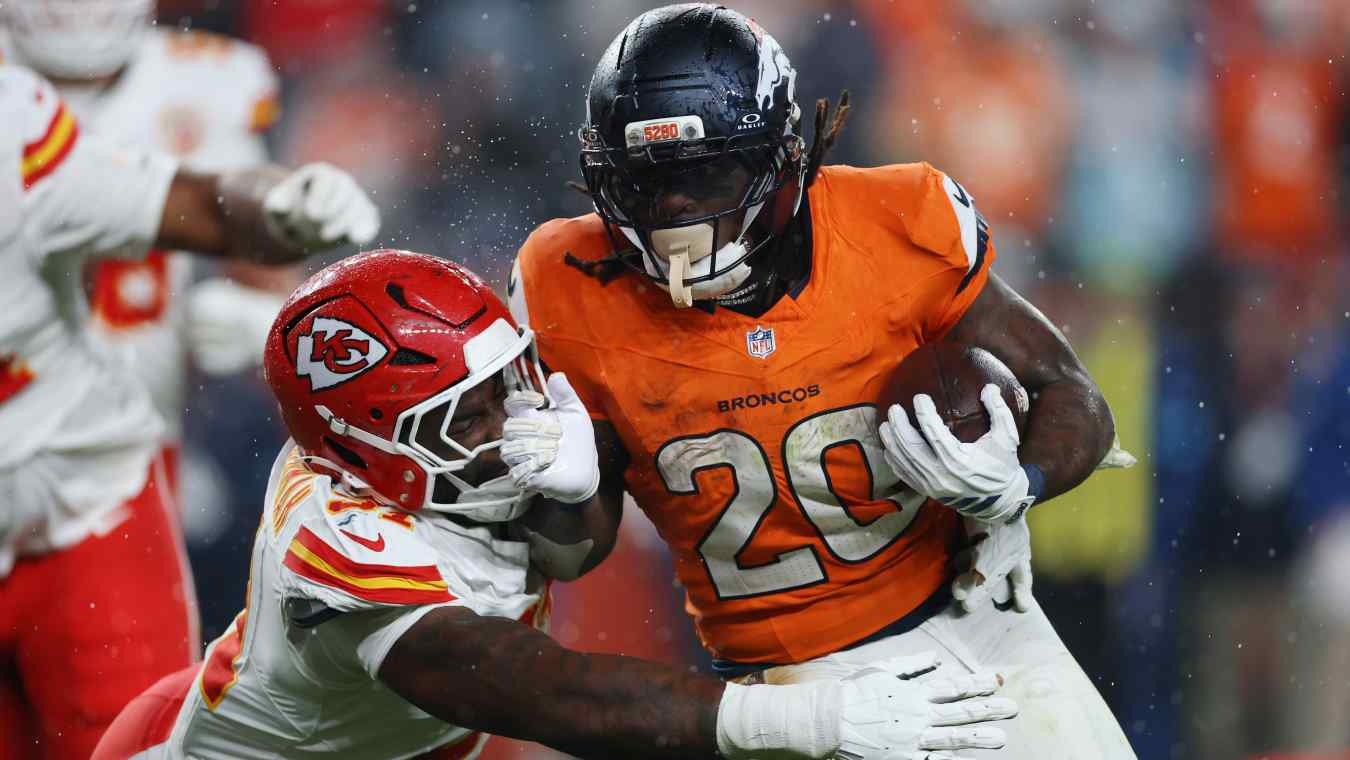
The Denver Broncos stand as one of the most resilient franchises in professional football. Founded in 1960 as charter members of the American Football League, the team endured a difficult first decade before transforming into a powerhouse of the National Football League. Understanding this franchise requires looking past basic win-loss records to examine the eras, personnel decisions, and tactical evolutions that shaped the organization into a three-time Super Bowl champion.
Franchise Origins and Early Struggles
The organization kicked off its inaugural season in 1960 wearing unconventional brown and yellow-striped socks left over from a university team purchase. During their ten years in the upstart American Football League, they never posted a single winning season, finishing last in their division six times. Despite these struggles, the franchise achieved several historic milestones.
- Gene Mingo: Became the first African-American placekicker in professional football.
- Lionel Taylor: Led the American Football League in receptions five times as a dominant wide receiver.
- Marlin Briscoe: Smashed barriers as the first starting African-American quarterback of the modern era during the 1968 season.
The team merged into the National Football League in 1970. It took three years under head coach John Ralston for the franchise to secure its first winning campaign in 1973, setting the stage for a dramatic rise later that decade.
The Orange Crush Era
The defensive identity of the franchise crystallized in the late 1970s behind a fierce defensive unit known as the Orange Crush. Named after the vibrant orange home jerseys and a popular citrus soda of the era, the defense propelled the team to a 12-2 record in 1977 and their first-ever AFC championship.
Anchored by linebackers Randy Gradishar and Tom Jackson, the defense terrorized opposing quarterbacks and compensated for an offense still finding its identity. Although they fell to the Dallas Cowboys in Super Bowl XII, this defensive standard established a competitive culture that defined the organization for decades.
The John Elway Legacy
The arrival of quarterback John Elway in a 1983 draft-day trade altered the trajectory of the franchise. Over sixteen seasons, Elway dragged outmatched rosters to multiple Super Bowls in the 1980s before finally capturing back-to-back championships at the close of his career.
1986: AFC Championship (Lost Super Bowl XXI)
1987: AFC Championship (Lost Super Bowl XXII)
1989: AFC Championship (Lost Super Bowl XXIV)
1997: Super Bowl XXXII Champions (Defeated Green Bay Packers 31-24)
1998: Super Bowl XXXIII Champions (Defeated Atlanta Falcons 34-19)
Head coach Mike Shanahan, paired with elite running back Terrell Davis, built a zone-blocking rushing attack that complemented Elway's arm strength. Davis rushed for over 2,000 yards in 1998 and earned NFL Most Valuable Player honors, capping off Elway's career with a dominant victory in Miami. Learn more about the historic team structure through the Denver Broncos Official Site.
The Peyton Manning Years
Following a lengthy rebuilding period in the 2000s, executive John Elway signed record-setting free agent quarterback Peyton Manning in 2012. This partnership instantly returned the team to elite status.
The 2013 squad set an all-time NFL record by scoring 606 points in a single regular season, slicing through opposing defenses with an aerial attack featuring Demaryius Thomas, Eric Decker, Wes Welker, and Julius Thomas. Though that specific iteration stumbled against the Seattle Seahawks in Super Bowl XLVIII, the front office retooled the defense.
In 2015, a historic pass-rush led by Von Miller and DeMarcus Ware carried an aging Manning to a victory in Super Bowl 50 against the Carolina Panthers. That defense allowed the lowest passing yards in the league and dominated opponents through sheer pressure.
Common Misconceptions About Franchise History
Many casual observers misunderstand how the team built its championship rosters, often attributing success entirely to high draft picks. In reality, strategic front office management played a massive role.
- Myth: The team built its 1990s champions solely through early draft picks.
- Fact: Key contributors like tight end Shannon Sharpe were late-round selections, and important pieces arrived via savvy free agency acquisitions.
- Myth: Peyton Manning single-handedly carried the 2015 team.
- Fact: While Manning provided veteran leadership, the historic defense carried the weight during the postseason run, scoring multiple touchdowns and shutting down elite offenses.
Review franchise statistics and historical game logs via Pro Football Reference.
Frequently Asked Questions
When were the Denver Broncos founded?
The franchise was founded on August 14, 1959, as a charter member of the American Football League, and began play in the 1960 season.
How many Super Bowls have the Broncos won?
The franchise has won three Super Bowl titles: Super Bowl XXXII (1998 season), Super Bowl XXXIII (1999 season), and Super Bowl 50 (2015 season).
What was the Orange Crush defense?
The Orange Crush was the nickname given to the fierce Denver defense in the late 1970s, led by linebackers like Randy Gradishar and Tom Jackson, which helped secure the team's first AFC pennant.
Who holds the franchise records for passing?
John Elway holds numerous historic franchise passing records for longevity and total wins, while Peyton Manning holds single-season records, including the historic 55-touchdown performance from the 2013 season.


