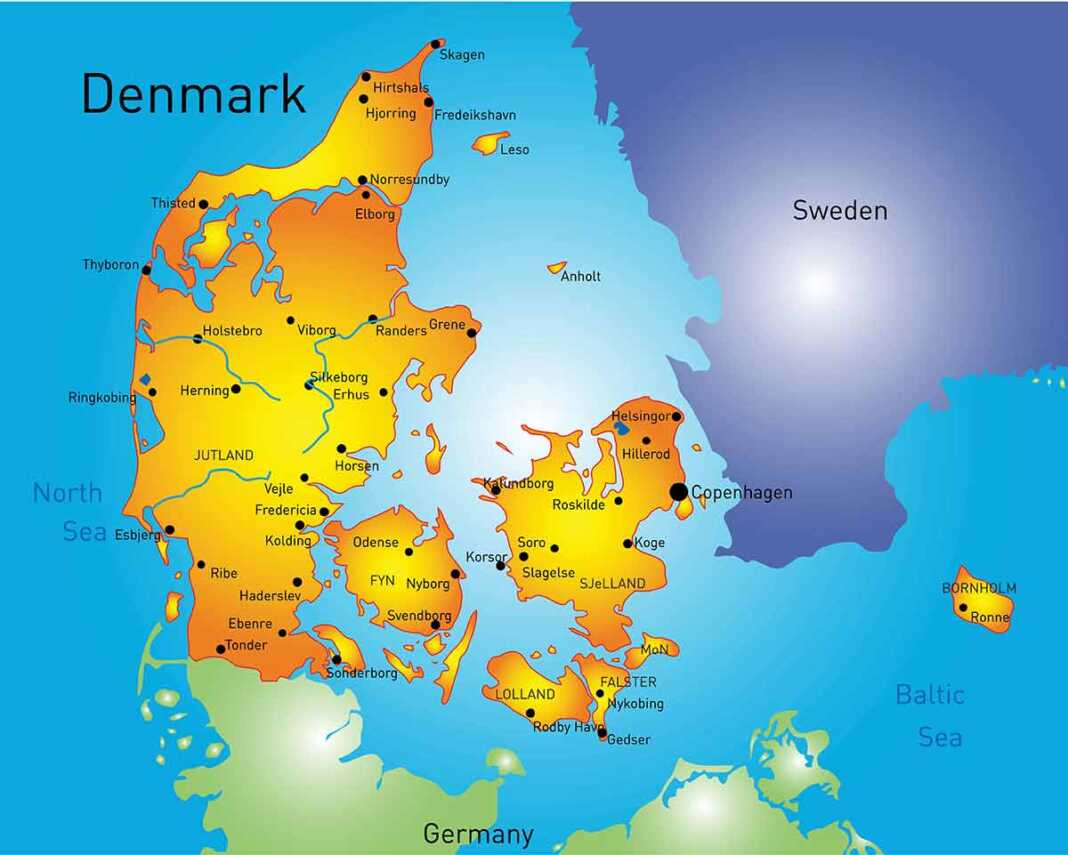
Denmark heats over sixty percent of its homes through a centralized network of pipes circulating hot water beneath city streets. Instead of individual boilers burning fossil fuels in every basement, entire towns draw warmth from large-scale renewable sources, industrial waste heat, and deep geothermal wells. This approach makes Denmark the global benchmark for urban thermal efficiency.
If you're wondering how a small Nordic nation built a nationwide heating grid that runs largely on green energy, the secret lies in cooperative ownership models, strict municipal planning, and long-term carbon tax policies. Let's look at how this system operates, why it outpaces conventional heating, and what other countries can learn from it.
The Mechanics of Danish District Heating
District heating works by distributing thermal energy from a central production plant to residential, commercial, and industrial buildings. Water gets heated centrally and pumped through insulated underground supply pipes. Once it delivers heat to a building's radiators or tap water system, the cooled water returns through a parallel pipe to be reheated.
Denmark's network isn't just about moving hot water; it's about integrating multiple energy sources into a single flexible grid. Modern Danish plants combine several production methods into efficient hubs:
- Combined Heat and Power (CHP): Traditional power plants waste massive amounts of heat through cooling towers. Danish CHP plants capture this waste heat and redirect it into the district heating network, pushing overall fuel efficiency past ninety percent.
- Large-Scale Heat Pumps: These pumps extract thermal energy from ambient air, purified wastewater, or nearby lakes, using renewable electricity to run compressors.
- Biomass and Geothermal Integration: Sustainable wood chips, straw residues, and deep underground thermal reservoirs provide baseload warmth during cold winter months.
- Large Thermal Stores: Huge insulated water tanks store surplus heat generated by wind turbines when electricity prices drop, releasing it later when heating demand spikes.
Why Denmark Succeeded Where Others Failed
Many nations struggle to adopt district heating because of high upfront infrastructure costs and fragmented property ownership. Denmark bypassed these hurdles through deliberate policy choices made decades ago.
Following the energy crises of the 1970s, the Danish government passed legislation granting local municipalities the authority to dictate heating zoning. Municipalities could legally require neighborhoods to connect to a collective district heating grid if it proved more cost-effective and environmentally friendly than individual gas or oil heating.
Furthermore, Danish law historically required district heating companies to operate on a non-profit, consumer-owned cooperative basis. When consumers own the utility, profits don't drive up bills. Instead, savings get reinvested directly into system upgrades, efficiency improvements, and grid expansions.
The Economic and Environmental Impact
The shift toward sustainable district heating transformed Denmark's carbon footprint. By replacing individual natural gas and oil boilers with centralized renewable sources, the country slashed urban greenhouse gas emissions significantly.
Beyond environmental benefits, the system buffers consumers against volatile fossil fuel markets. When global natural gas prices fluctuate wildly, Danish consumers connected to local biomass, geothermal, and waste-heat grids experience much more stable heating bills. It also creates a thriving domestic clean-tech sector, exporting pumps, valves, and smart-grid software worldwide. You can read more about national energy data on the Danish Energy Agency portal.
Common Mistakes in Designing District Networks
Cities attempting to replicate Denmark's success often stumble by mismanaging system temperatures and community engagement. Here are the pitfalls to avoid:
- Operating at High Supply Temperatures: Older grids pumped water at ninety degrees Celsius, causing massive heat losses in transit. Modern Danish networks run on fourth-generation low-temperature systems, dropping supply water below sixty degrees Celsius.
- Ignoring Consumer Feedback: District heating requires high initial participation rates to justify pipe installation costs. Failing to educate residents on long-term cost savings usually leads to local pushback.
- Overlooking Return Temperatures: If a building's internal heating system returns water that is still too hot, the efficiency of the central plant plummets. Smart utilities incentivize building owners to optimize their indoor heat exchangers.
For a broader look at global urban sustainability frameworks, check out the C40 Cities climate leadership group.
Frequently Asked Questions
How does district heating save money for homeowners?
While the initial connection fee can be steep, district heating eliminates the need to buy, service, and replace individual boilers. Because plants use large-scale renewable sources and waste heat, fuel costs remain lower and more predictable over a thirty-year asset lifecycle.
What happens if the central plant breaks down?
Most advanced Danish networks feature redundant boilers or interconnected backup loops between neighboring towns. If one plant shuts down for maintenance, auxiliary units or neighboring grids can feed warm water into the affected zone seamlessly.
Can old buildings connect to low-temperature district heating?
Yes, though older, poorly insulated buildings require larger radiator surface areas to heat indoor spaces efficiently at lower water temperatures. Many municipalities offer grants or technical audits to help owners upgrade insulation before connecting.
How do smart meters improve district heating efficiency?
Smart meters track real-time flow rates and temperature drops across individual buildings. Utilities use this data to identify leaky pipes, detect faulty indoor thermostats, and balance thermal pressure across the entire city network.



