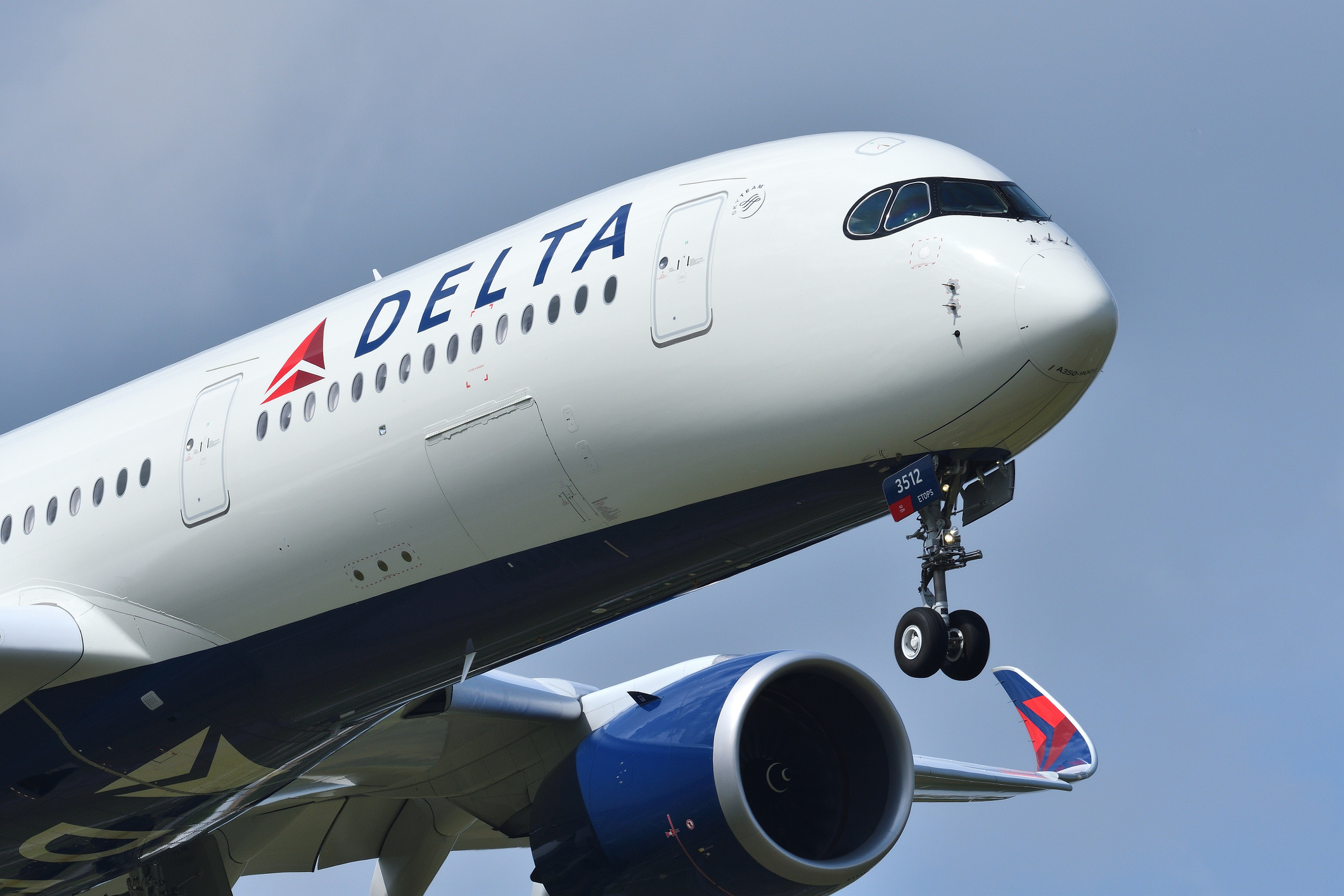
Landing a flight deck position at Delta Air Lines is a major career milestone for professional aviators. When researching compensation, contract details, and hiring standards, pilots frequently look to industry resources like Airline Pilot Central. Navigating this data requires a clear understanding of how Delta's pay scales, minimum qualifications, and fleet structures actually work in practice.
This guide breaks down everything you need to know about Delta pilot compensation, upgrading timelines, competitive hiring prerequisites, and life on the line.
Understanding Delta Air Lines Pilot Compensation
Compensation structures at major legacy carriers are heavily defined by collective bargaining agreements, longevity steps, and aircraft size categories. Delta's pilot contract establishes clear hourly rates that scale upward with every year of service, maxing out at year twelve for each specific fleet type.
First Officer Pay Scales
First officers start on narrowbody or regional equipment and progress toward widebody long-haul aircraft. Entry-level first officers on narrowbody equipment typically earn an hourly base rate starting around $125.52 during their first year.
As pilots gain seniority and transition to larger widebody aircraft like the Airbus A350 or Airbus A330, first officer hourly rates climb significantly, reaching up to $330.44 per hour by year twelve. Factoring in an average guarantee of 75 to 85 credited hours per month, junior first officers can expect initial annual earnings between $120,000 and $170,000, while senior widebody first officers regularly gross upwards of $250,000 to $350,000.
Captain Pay Scales
Upgrading to captain brings a substantial jump in earning potential. First-year narrowbody captains start with hourly rates around $229.12. Senior widebody captains flying international routes on aircraft like the Boeing 787 or Airbus A350 earn top-tier hourly rates reaching $483.74.
Total annual compensation for captains varies by aircraft and schedule flexibility:
- Newly upgraded narrowbody captains generally clear $250,000 to $350,000 in their first transition years.
- Experienced narrowbody captains earn between $350,000 and $450,000 annually.
- Senior widebody captains command total annual earnings ranging from $450,000 to over $650,000 when factoring in international overrides and schedule premiums.
Profit Sharing and Retirement Benefits
Base hourly pay is only part of the financial picture. Delta operates one of the most lucrative profit-sharing programs in the commercial aviation sector. Individual profit-sharing checks routinely add $20,000 to $50,000+ per year to a pilot's gross earnings depending on annual company profitability.
On the retirement front, Delta provides a non-elective 401(k) contribution of 17%, which sets a high standard across legacy carriers. This contribution is deposited by the company regardless of employee matching, building a substantial retirement portfolio over a career span.
Delta Pilot Minimum Qualifications and Hiring Process
Meeting the baseline FAA requirements is only the first hurdle. Because Delta receives thousands of applications from highly qualified military and regional aviators, standing out requires exceeding minimum thresholds.
Core Eligibility Requirements
Applicants must meet strict federal and company-specific prerequisites before submitting an application through the Delta Careers Portal:
- Minimum age of 23 years old.
- Current FAA First Class Medical Certificate.
- FAA Commercial Pilot Certificate with Instrument-Airplane rating.
- Current Airline Transport Pilot (ATP) written exam completion.
- Minimum of 1,500 hours of total documented flight time, with preference given to turbine-heavy backgrounds.
- Valid passport and legal authorization to work in the United States without current or future sponsorship.
- A four-year college degree, which is heavily preferred and provides a competitive edge.
The Multi-Stage Selection Workflow
The interview and evaluation process is thorough and designed to test both technical judgment and cultural fit:
- Application Review: Logbooks, certifications, and professional histories are evaluated independently by multiple members of the application review team.
- Online Assessment: Candidates who pass the initial screen complete an Aon-administered behavioral and cognitive assessment focusing on teamwork and operational judgment.
- Panel Interview: Invited applicants travel to Atlanta for a rigorous panel interview consisting of line pilots and human resources representatives. Questions center around situational judgment and behavioral scenarios ("Tell Me About a Time"). Candidates also undergo a psychological evaluation.
- Conditional Job Offer (CJO): Successful candidates receive a CJO pending background checks, drug screenings, and final document verifications.
Fleet Structure and Career Progression
Delta maintains a diverse, modern fleet optimized for domestic hub-and-spoke operations and extensive long-haul international routes. Pilots operate a mix of narrowbody and widebody aircraft.
Fleet Mix
- Narrowbody Fleets: Airbus A321, Airbus A320, Airbus A319, Boeing 737-800, Boeing 737-900, Boeing 737-10 (incoming), and Boeing 757.
- Widebody Fleets: Airbus A350, Airbus A330, Airbus A330neo, and Boeing 767.
Upgrades and Seniority
Career progression depends heavily on natural fleet turnover and company growth. Delta employs roughly 17,300 pilots, and steady retirement rates drive continuous movement across seats and equipment types.
While upgrade timelines fluctuate based on economic cycles and active hiring volumes, narrowbody captain upgrades typically occur within 4 to 12 years of joining the mainline carrier. Seniority dictates everything from schedule flexibility and route bidding to base assignments across major hubs like Atlanta, Detroit, Minneapolis, New York, and Salt Lake City.
Common Mistakes to Avoid When Applying
Many well-qualified pilots sabotage their applications through avoidable administrative and behavioral errors.
- Inaccurate Logbook Totals: Discrepancies between logged hours and formal application entries trigger immediate disqualification during document verification. Audit your totals meticulously before submission.
- Treating the Online Assessment Casually: The Aon assessment measures personality traits and operational psychology. Rushing through it without understanding the behavioral framework can end your candidacy early.
- Underprepared Behavioral Examples: Saying "we" instead of "I" during panel interviews makes it difficult for interviewers to gauge your individual leadership and decision-making under pressure. Use clear, structured examples that highlight your personal accountability as pilot-in-command.
- Ignoring Medical Fine Print: Letting your First Class Medical lapse or failing to document minor special issuances properly creates administrative bottlenecks during the pre-employment screening phase.
Frequently Asked Questions
How long does training take after getting hired at Delta?
New hires complete a two-week company indoctrination program in Atlanta, followed by aircraft-specific type rating training utilizing advanced full-motion flight simulators under Delta's Advanced Qualification Program (AQP). Total training duration prior to Initial Operating Experience (IOE) generally spans two to three months depending on the fleet.
Does Delta require a college degree for pilots?
While a four-year college degree is not a strict federal mandate, Delta officially lists a degree as "highly preferred." In a competitive hiring environment, candidates with a degree hold a distinct advantage over those without one.
What is the mandatory retirement age for Delta pilots?
Like all commercial airline pilots operating under FAA regulations, Delta pilots must retire from Part 121 operations upon reaching age 65.
How does the Delta Propel program work for aspiring pilots?
Propel is Delta's defined career pathway program for university students and certified flight instructors. It provides a Qualified Job Offer (QJO) after participants meet specific milestones, which typically include building hours and serving a designated tenure as a captain at Delta's wholly-owned regional subsidiary, Endeavor Air, before transitioning to the mainline flight deck.


