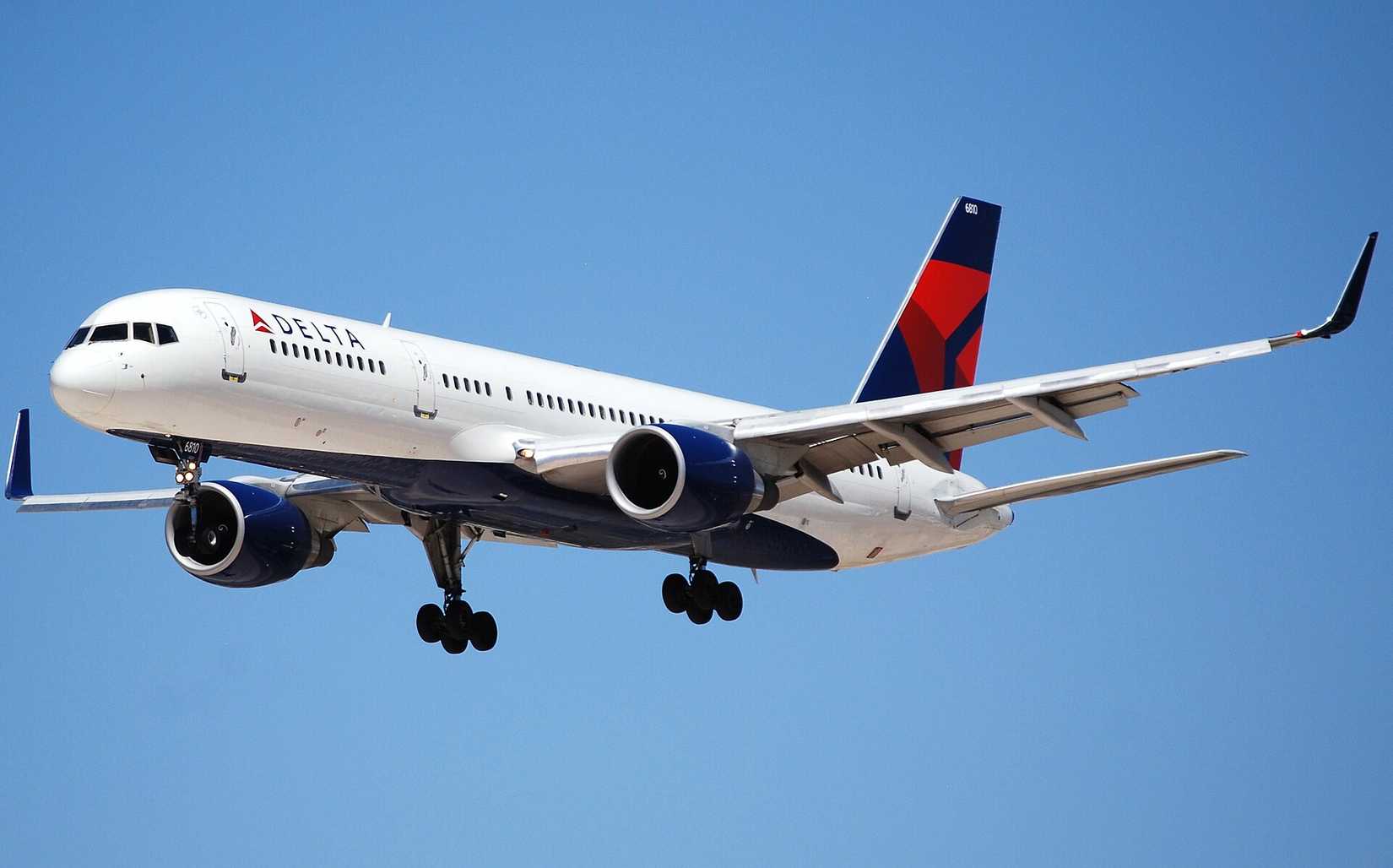
Delta Air Lines is reshaping commercial aviation by pairing sustained high load factors with a targeted fleet renewal strategy. Instead of chasing sheer passenger volume, the carrier focuses on premium demand capture and asset efficiency. This approach stabilizes margins even as fuel costs and operational hurdles fluctuate across the industry.
Behind these financial results lies a precise operational shift. By integrating next-generation aircraft and upgrading cabin layouts, Delta extracts higher yields per available seat mile while keeping non-fuel unit costs manageable. Understanding how these mechanics drive future profitability requires looking past headline revenue numbers into the core operational pillars.
Decoding Delta Air Lines Load Factors
Load factor measures the percentage of available seating capacity that a carrier actually fills with paying passengers. For major network airlines, high load factors serve as the primary engine for top-line revenue growth. Delta routinely maintains strong load factors across core domestic and transcontinental corridors, driven by optimized hub scheduling and dense corporate travel networks.
Volume alone doesn't guarantee a healthy bottom line. The distinction lies in the passenger mix. Delta prioritizes high-yield business travelers and premium leisure segments who purchase seats in Delta Comfort, Delta Premium Select, and Delta One. When planes fly full with a high proportion of premium-fare travelers, revenue per available seat mile expands significantly. For another look on this story, check out the recent update from Forbes.
Hub Strength and Network Optimization
Network density dictates how efficiently an airline deploys its fleet. Delta anchors its operations in major commercial hubs like Atlanta, Minneapolis, Detroit, Salt Lake City, Seattle, Los Angeles, and New York-JFK.
- Hub-and-Spoke Dominance: Concentrating flights through major airports allows Delta to feed regional traffic into high-capacity international trunk routes.
- Yield Management: High-frequency departures in key business markets let the airline adjust pricing dynamically, capturing last-minute corporate bookings at premium rates.
- Partner Integration: Joint ventures with international alliance partners expand global reach without requiring Delta to take on direct financial exposure for underperforming foreign routes.
The Financial Impact of Fleet Modernization
Operating older aircraft introduces hidden financial drains, from higher maintenance expenses to excessive fuel burn. Delta's fleet modernization program replaces aging frames with modern, fuel-efficient models like the Airbus A321neo, A220, and A350.
Newer planes deliver immediate savings on fuel consumption, which remains one of the largest volatile expenses for any airline. Furthermore, standardized cabin interiors across modern fleet families reduce maintenance turnaround times and spare parts inventory costs. Passengers experience updated seating layouts, faster inflight Wi-Fi connectivity, and expanded overhead bin capacities, which directly support higher customer satisfaction scores.
Key Fleet Investments
Delta's capital allocation targets specific segments of the passenger experience:
- Widebody Refurbishments: Introducing next-generation business class suites on widebody aircraft strengthens corporate competitiveness on lucrative transatlantic and transpacific routes.
- Narrowbody Efficiency: Bringing in fuel-efficient narrowbody jets optimizes short- and medium-haul domestic routes, protecting margins against low-cost carrier pricing pressure.
- Cabin Consistency: Uniform product offerings across the fleet minimize operational disruptions when aircraft swaps become necessary due to weather or air traffic control delays.
Loyalty Economics and Ancillary Revenue
Ticket sales represent only part of Delta's overall business model. The SkyMiles loyalty program and co-branded credit card partnership with American Express generate high-margin, recurring revenue streams that insulate the carrier from pure ticket price wars.
Cardholders contribute billions in annual cash remuneration through co-brand spending. Because loyalty earnings operate independently of day-to-day seat pricing volatility, they provide a reliable financial buffer during broader economic downturns. Additional ancillary streams, such as Delta TechOps third-party maintenance services, further diversify income away from passenger ticketing alone.
Operational Reliability as a Competitive Advantage
Travelers increasingly prioritize on-time performance and baggage handling reliability over minor price differences. Delta consistently ranks near the top among major U.S. carriers for punctuality and low mishandled baggage rates.
Maintaining tight turnaround times at busy gates requires disciplined crew scheduling and real-time operational data tracking. When an airline avoids cascading flight delays, it reduces hotel voucher expenses, passenger compensation claims, and crew overtime costs, preserving operating margins.
Frequently Asked Questions
How do load factors influence airline profitability?
High load factors mean fewer empty seats are flown, maximizing revenue per flight. When combined with strong yields from premium cabins, high load factors allow carriers to cover fixed operating expenses more easily and generate net income.
Why is fleet modernization critical for legacy carriers?
Older aircraft burn more fuel and require frequent, expensive maintenance overhauls. Modernizing the fleet lowers operational costs, improves fuel efficiency, and provides the updated cabin amenities that premium travelers expect.
What role does the SkyMiles program play in Delta's financial strategy?
The loyalty program and co-branded credit card agreements generate high-margin, predictable cash flow. This income stream helps balance the cyclical nature of passenger ticket sales and funds ongoing investments in customer experience and balance sheet strength.
How do fuel price fluctuations affect airline margins?
Jet fuel accounts for a substantial share of total operating expenses. Sudden spikes in fuel prices compress operating margins unless offset by higher ticket prices, fuel hedging strategies, or greater fleet fuel efficiency. You can track broader industry trends and financial disclosures directly through Delta News Hub and Delta Air Lines Investor Relations.


