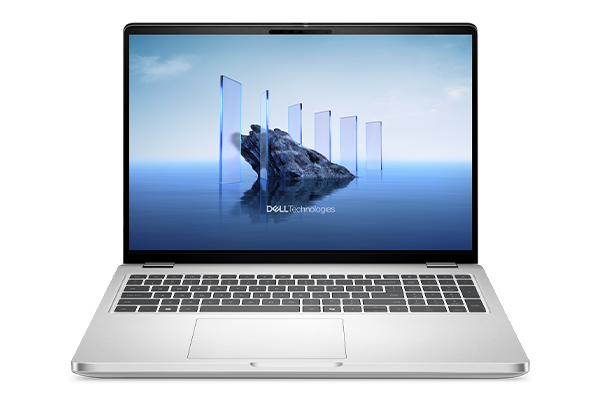
Choosing a mid-range machine often feels like a compromise. You want snappy performance for daily work, but you don't want to pay high-end prices. The Dell Inspiron i5 laptop targets this exact sweet spot, offering an accessible entry point for students, remote workers, and casual users. If you're weighing whether this machine can handle your daily grind without stuttering, let's break down how it actually performs in the real world.
At its core, this machine relies on a balance of efficient multi-core processing and solid-state storage. It isn't built to rival heavy gaming rigs or professional video editing workstations, but that's not what it's trying to be. Instead, it aims to deliver dependable everyday capability. Let's examine its construction, performance metrics, and hidden limitations to help you decide if it fits your workflow.
Design and Build Quality
Right out of the box, the Inspiron features a clean, utilitarian aesthetic. Most configurations come in a dark carbon black or platinum silver finish. The chassis is constructed primarily from durable plastics with a textured finish that resists fingerprints reasonably well. While it doesn't have the cold, premium feel of an all-aluminum XPS or MacBook chassis, it feels structurally sound for daily commuting.
Portability is a strong suit. Weighing around 3.6 to 4 pounds depending on the exact screen size (typically 15.6 inches), it slips into a standard backpack without weighing you down. Dell incorporates small rubber feet on the bottom hinge. When you open the lid, it lifts the rear slightly, improving airflow underneath and creating a more ergonomic typing angle.
Processing Power and Daily Performance
Under the hood, configurations generally house a 12th or 13th generation Intel Core i5 processor (such as the i5-1235U or i5-1334U). These chips use a hybrid architecture with performance and efficiency cores designed to handle multitasking efficiently.
When launching web browsers with dozens of tabs, managing heavy Excel spreadsheets, and running Zoom calls simultaneously, the machine responds without noticeable lag. You can check official hardware details directly on the Dell Official Site.
However, you must pay close attention to the memory configuration. Many base models ship with 8GB of RAM. While 8GB is adequate for basic browsing and document editing, it fills up quickly if you push multitasking. If you buy an 8GB variant, expect to notice occasional slowdowns when heavy background apps run. Fortunately, many Inspiron models allow you to upgrade the RAM yourself, which breathes extra life into the system for a minimal cost.
Display and Input Devices
The standard 15.6-inch Full HD (1920x1080) display gets the job done for office work, web surfing, and streaming movies. Colors are reasonably accurate for daily use, though peak brightness usually hovers around 250 nits. This means outdoor visibility or working under harsh direct office overhead lights can be challenging.
The keyboard features comfortable key travel, making long typing sessions relatively fatigue-free. Models featuring a 15-inch form factor include a dedicated numeric keypad, which is a massive productivity booster if you work frequently with numbers and spreadsheets. The trackpad is responsive, supporting multi-touch Windows gestures smoothly, though it has a slightly hollow click sound.
Battery Life and Thermal Management
Battery endurance on the Inspiron i5 is respectable for a budget-oriented machine. Under normal workloads—such as writing documents, browsing the web at medium brightness, and listening to music—you can expect roughly 6 to 7 hours of use. Heavy video streaming or constant Zoom calls will drain it closer to 4 hours.
The inclusion of fast-charging technology (ExpressCharge) helps mitigate shorter battery spans by replenishing a significant percentage in under an hour. Under heavy loads, the internal cooling fan kicks on. While it isn't deafening, you will hear a soft whirring sound when rendering tasks or updating software push the processor to its limits.
Common Mistakes to Avoid
Many buyers run into preventable frustrations with this laptop due to oversight during purchase or setup. Keep these pitfalls in mind:
- Skipping RAM Upgrades: Assuming 8GB will permanently satisfy heavy professional demands will lead to disappointment. Budget an extra module if you plan to run memory-heavy software.
- Expecting Gaming Performance: Integrated Intel graphics handle casual indie titles or older games fine, but modern AAA gaming will stutter heavily.
- Neglecting Display Limitations: Do not buy this machine expecting color-critical photo editing; the color gamut is optimized for productivity, not professional studio work.
- Ignoring Bloatware: Like most consumer laptops, it arrives with pre-installed trial software. Spend twenty minutes cleaning startup apps to maximize initial speed.
Frequently Asked Questions
Can I upgrade the storage on this laptop?
Yes. Most models feature an M.2 NVMe solid-state drive slot, and some chassis variants even permit adding a secondary drive or upgrading the existing stick for higher capacity.
Is this laptop good for college students?
It is a reliable option for students needing a dependable machine for writing papers, attending virtual lectures, and managing research. Its sturdy build handles being carried across campus well.
Does the screen support touch input?
It depends on the specific sub-model SKU. Many retail configurations feature touchscreens, but always verify the exact model number if touch functionality is a priority for your workflow.
How does it handle video editing?
Light video cuts in entry-level software are manageable, but rendering complex 4K timelines will strain both the processor and the integrated graphics. Look toward mobile workstation classes if editing is your primary job.



