Navigating Delaware state taxes feels straightforward at first glance because the state levies no general sales tax. Yet, residents quickly discover a mix of progressive income taxes, low property assessments, and distinct business levies that shape the local financial landscape. Whether you're moving to the First State or auditing your current tax strategy, understanding how the Delaware Division of Revenue collects its share keeps you compliant and prevents unexpected penalties.
This guide breaks down every core tax obligation for Delaware residents, covering personal income brackets, property tax realities, hidden transactional levies, and practical answers to common tax questions.
Individual Income Tax Brackets and Rates
Delaware uses a graduated individual income tax system with rates ranging from $2.20%$ to $6.60%$ across multiple taxable income tiers. Residents file using Form PIT-RES, and your tax liability depends on your taxable income after standard or itemized deductions.
- Under $2,000$: Taxed at $0%$ (no tax owed on the first tier).
- $2,000 to $5,000$: Taxed at $2.2%$ on the amount over $2,000$.
- $5,000 to $10,000$: Graduated rates moving from $3.9%$ to $4.8%$.
- $10,000 to $20,000$: Taxed at $5.2%$ to $5.5%$.
- $20,000 to $60,000$: Taxed at $5.6%$ to $6.2%$.
- Over $60,000$: The top marginal rate of $6.6%$ kicks in for all income exceeding that threshold.
Unlike federal rules, Delaware allows a standard deduction of $3,250$ for single filers and $6,500$ for married couples filing jointly. Residents aged 60 or older also qualify for an additional pension exclusion of up to $12,500$ on eligible retirement income.
Property Taxes and Local Assessments
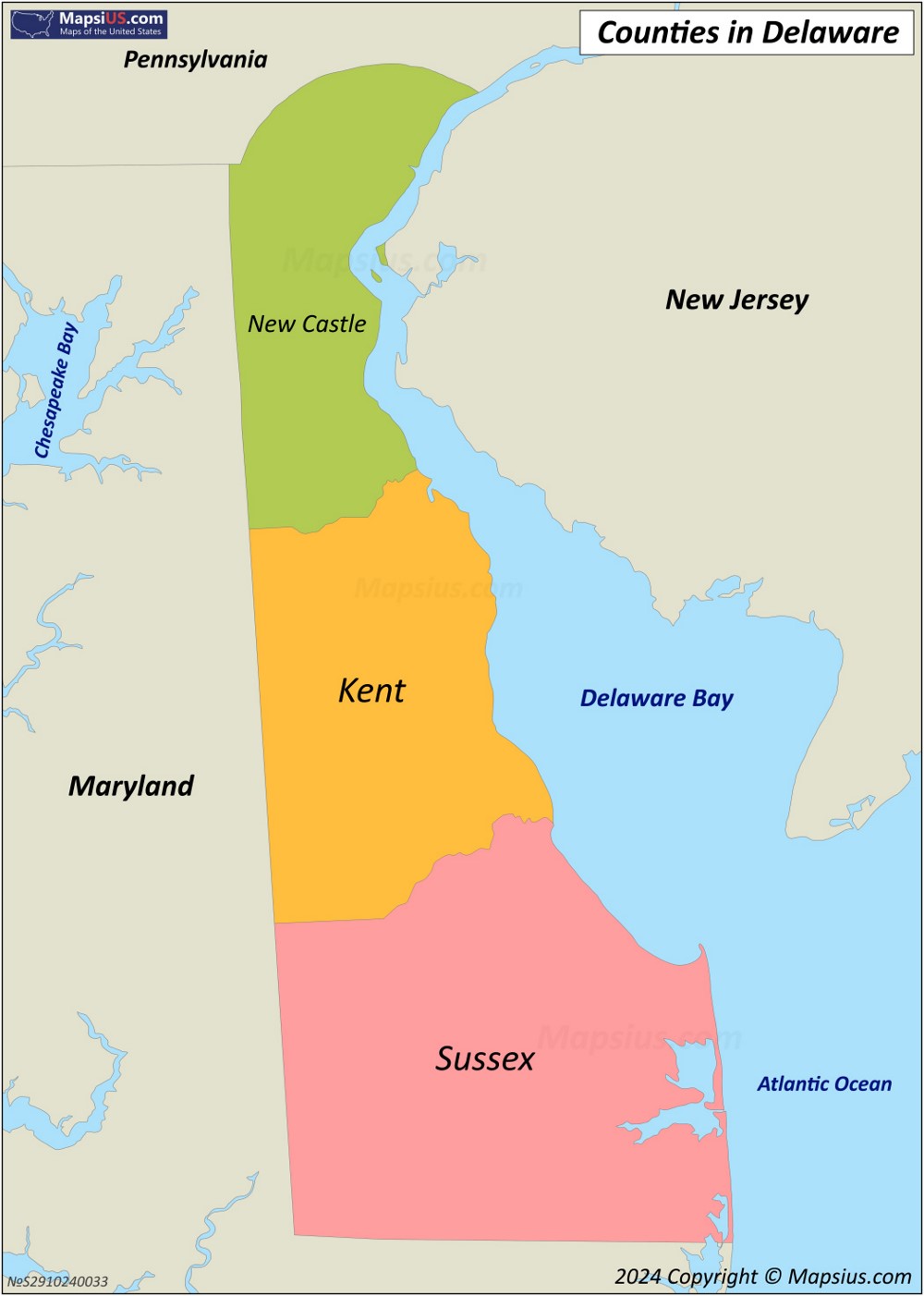
While many states rely heavily on state-level property collections, Delaware keeps property taxes decentralized. County governments and local school districts levy these taxes based on assessed property values rather than current market value.
- Effective Rates: Delaware boasts one of the lowest effective property tax rates in the nation, averaging around $0.54%$ of owner-occupied home value.
- Assessments: Assessments are rarely tied to recent purchase prices. Instead, counties rely on historical base-year valuations (such as 1983 in New Castle County), meaning your tax bill won't automatically skyrocket following a hot real estate market surge.
- Senior Exemptions: Homeowners aged 65 or older who meet specific multi-year residency and income limits can apply for partial school property tax credits or assessment reductions. You must file your application with your local county assessment office before the annual deadline, typically April 30th.
You can check specific local assessment guidelines directly through the Kent County Levy Court portal or equivalent local offices.
Understanding the Delaware Gross Receipts Tax
If you operate a business, freelance, or run a service-oriented enterprise in the state, you'll encounter the Delaware Gross Receipts Tax. It's a frequent point of confusion because it is levied on the seller's total gross revenues rather than the consumer.
- No Deductions: Unlike standard net income taxes, you cannot deduct the cost of goods sold, labor, rent, or shipping expenses when calculating gross receipts tax.
- Industry Rates: Rates fluctuate by business classification, generally ranging from about $0.09%$ to nearly $2.0%$. For instance, general service providers and wholesalers pay $0.3983%$, while retailers pay $0.7468%$.
- Exclusions: Most businesses receive a monthly exclusion (typically $100,000$) or a quarterly exclusion ($300,000$), meaning tax applies only to revenue generated above that threshold.
For detailed filing frequencies, electronic coupon submissions, and official rate charts, consult the Delaware Division of Revenue Gross Receipts Tax FAQ.
Estate, Inheritance, and Excise Taxes
Delaware maintains a taxpayer-friendly stance regarding legacy planning and consumer goods:
- No Death Taxes: Delaware has no state-level inheritance tax or estate tax, allowing beneficiaries to inherit assets without state-level probate penalties.
- Excise Taxes: While everyday retail purchases skip sales tax, the state collects specific excise levies on motor fuel ($23$ cents per gallon) and cigarettes ($2.10$ per pack).
Frequently Asked Questions
Does Delaware really have zero sales tax?
Yes. Delaware imposes no state or local sales tax on retail goods, restaurant meals, or software purchases. The price marked on the shelf is what you pay at the register.
Do out-of-state remote workers living in Delaware owe state income tax?
Yes. If you live in Delaware, you're taxed on your worldwide income regardless of where your employer is physically located. If you commute to an office in a neighboring state like Pennsylvania or Maryland, you may need to file non-resident returns there and claim a resident tax credit on your Delaware return to avoid double taxation.
When are Delaware individual income tax returns due?
Annual state individual income tax returns are typically due on April 15th. If April 15th falls on a weekend or holiday, the deadline shifts to the next business day. You can file and track payments electronically through the official Delaware Tax Portal.
Does forming a Delaware LLC create personal tax exemptions?
No. Forming a business entity in Delaware doesn't automatically exempt you from personal income taxes or local gross receipts taxes if you actively conduct business operations within state borders. Entity formation alone requires separate annual franchise tax filings depending on your corporate structure.



