Navigating Delaware state taxes requires paying close attention to unique statutory deadlines and a graduated income tax structure. Unlike most states that align with federal filing dates, Delaware residents face an individual income tax deadline of April 30 for state returns. Meanwhile, corporations, pass-through entities, and estimated quarterly payments follow distinct schedules that catch unprepared filers off guard.
Understanding how the First State handles personal income brackets, corporate tax obligations, and property assessments ensures you avoid costly penalties. Whether you manage a local business or file as an individual resident, knowing these rules ahead of time clarifies what you'll actually owe.
Delaware Individual Income Tax Brackets and Rates
Delaware uses a progressive individual income tax system with rates ranging from 0% to 6.6%. Tax brackets apply across distinct income thresholds, culminating in the top marginal rate of 6.6% for taxable income exceeding $60,000.
- $0 to $2,000: 0% tax rate
- $2,001 to $5,000: 2.2%
- $5,001 to $10,000: 3.9%
- $10,001 to $20,000: 4.8%
- $20,001 to $25,000: 5.2%
- $25,001 to $60,000: 5.55%
- $60,001 and above: 6.6%
Filing status plays a major role in your final liability. Delaware does not double bracket widths for joint filers, which introduces a structural marriage penalty for dual-income households. On the bright side, the state exempts Social Security benefits from taxation, reducing the burden for retirees living on fixed incomes. Capital gains are taxed at ordinary income rates rather than a separate preferential rate.
Key Filing Deadlines to Remember
While federal individual income tax returns are traditionally due on April 15, Delaware grants residents an extension to file their state returns by April 30.
Filing your paperwork late incurs steep penalties, but remember that the extension applies only to the paperwork, not your tax liability. If you owe state taxes, payments are expected by the original April deadline to prevent interest from accruing.
For a comprehensive look at official filing instructions, consult the Delaware Division of Revenue.
Business and Corporate Tax Obligations
Delaware maintains a flat corporate income tax rate of 8.7%, which applies to corporations doing business within the state boundaries. Pass-through entities like S corporations and partnerships face earlier compliance checkpoints, with returns traditionally due in mid-March to give shareholders time to receive their Schedule K-1 forms before personal filing deadlines.
In addition to corporate income tax, businesses incorporated in Delaware must manage the annual Franchise Tax. This fee is mandatory for all entities formed in the state, regardless of whether they physically operate within Delaware. Failing to pay the franchise tax by the designated March deadline leads to administrative forfeiture and severe penalties.
Property, Sales, and Excise Taxes
One reason Delaware remains an attractive destination for retirees and businesses alike is its lack of a state or local sales tax. Purchases made at retail stores, restaurants, and auto dealerships carry a 0% state sales tax rate.
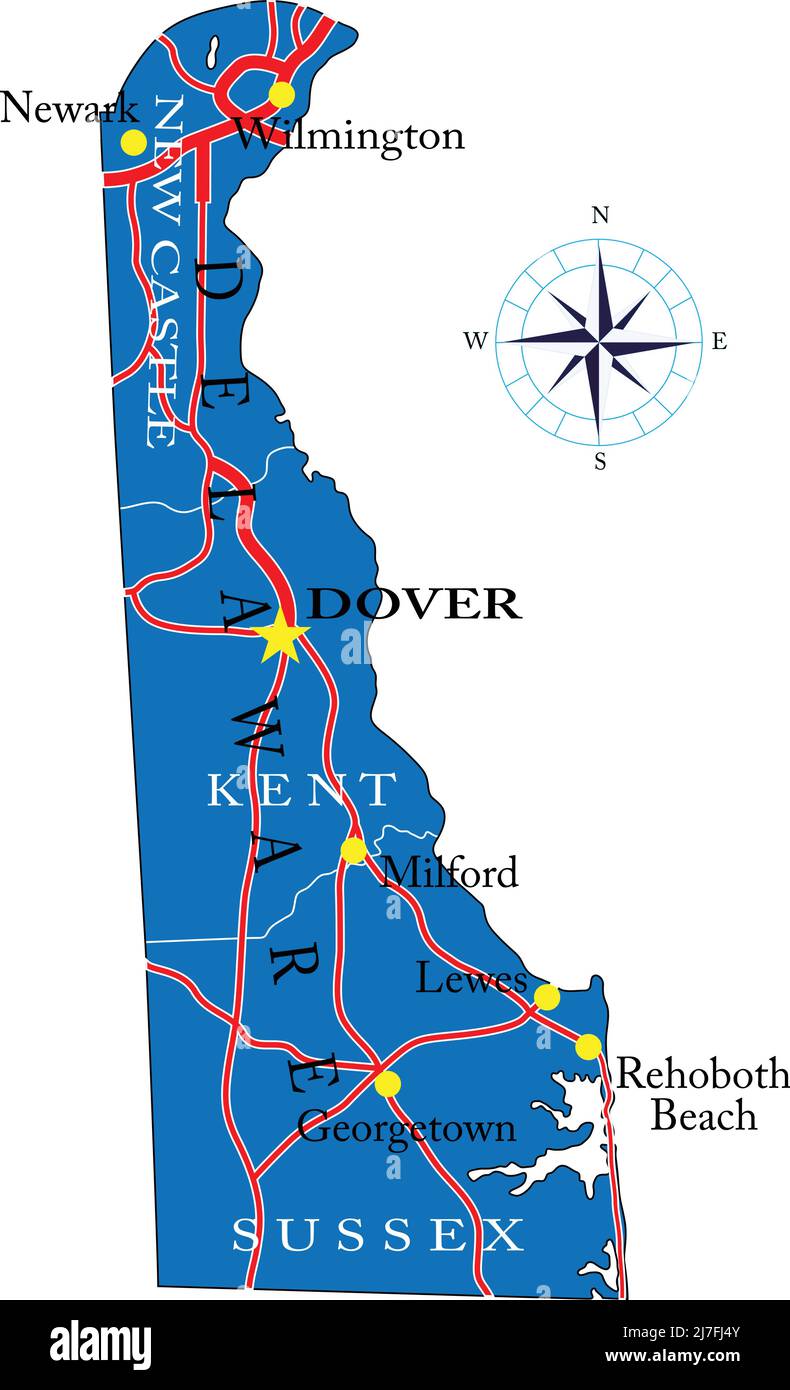
Property taxes are managed at the county level rather than by the state, resulting in relatively low effective property tax rates across New Castle, Kent, and Sussex counties. The statewide effective property tax rate averages around 0.54% of owner-occupied housing value, though median payments vary depending on your specific municipality. Excise taxes apply to specific goods, including a 23-cent per gallon gas tax and a $2.10 per pack cigarette tax.
Common Taxpayer Mistakes to Avoid
- Confusing the filing extension with payment deadlines: Requesting more time to submit your return via the state portal doesn't delay your payment obligation. Pay estimated dues by April to bypass interest charges.
- Overlooking quarterly estimated payments: Freelancers and self-employed workers must submit state quarterly estimates if they expect to owe more than $400 in tax, mirroring federal requirements.
- Neglecting franchise tax filings: Business owners frequently miss the corporate franchise tax deadline while waiting for their regular income tax paperwork, risking active entity status.
- Failing to utilize electronic portals: Submitting paper returns increases processing delays. Payments and filings should be routed through the Delaware Taxpayer Portal for immediate confirmation.
Frequently Asked Questions
Does Delaware tax retirement income or pensions?
Delaware taxes traditional pension income, IRA distributions, and 401(k) withdrawals as ordinary income. However, taxpayers aged 60 and older can claim a pension exclusion of up to $12,500 against eligible retirement income, while those under 60 receive a lower exclusion limit.
What happens if I file my Delaware state return after April 30?
Filing after the April 30 deadline without an approved extension triggers a failure-to-file penalty, calculated as a percentage of the net tax due per month. Interest also accrues daily on any unpaid balance until the account is settled in full.
Do remote workers living in Delaware owe state tax?
Yes. Delaware taxes residents on all income earned worldwide, regardless of where the employer is located. If you live in Delaware but commute to work in another state, you may qualify for a resident tax credit for taxes paid to your work state.
How do I check the status of my Delaware tax refund?
You can track your state tax refund online by visiting the official Delaware Department of Finance website and using their secure refund status tracker tool with your Social Security number and expected refund amount.