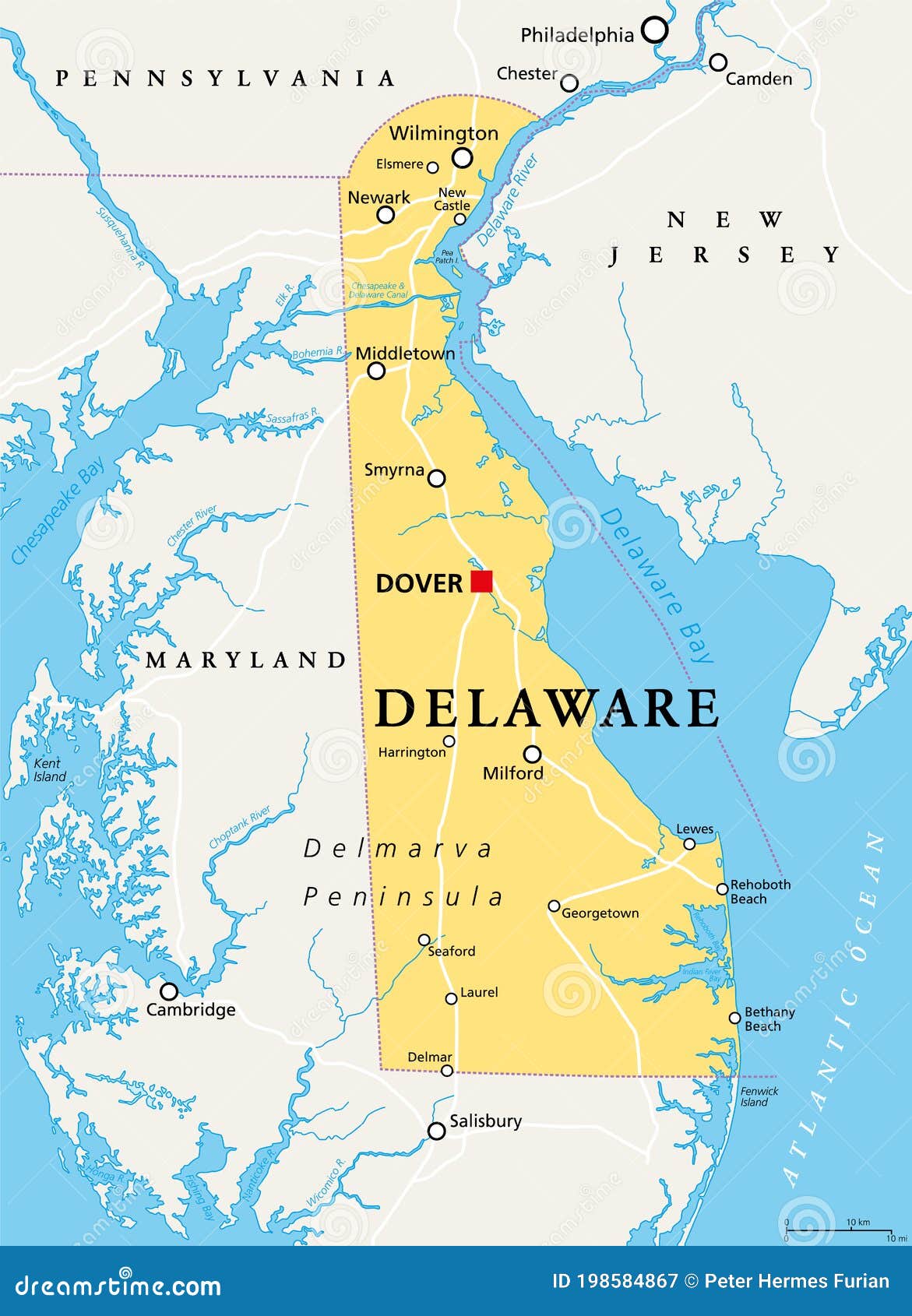
Operating across rural highways, bustling interstate corridors, and local communities, the Delaware State Police functions as the primary statewide law enforcement agency for the First State. Formed in 1923 as a specialized highway traffic patrol, the organization has evolved into a comprehensive public safety institution. Troopers handle everything from highway traffic enforcement and collision reconstruction to complex criminal investigations, homicides, and specialized tactical responses across New Castle, Kent, and Sussex counties.
Understanding how this agency operates requires looking beyond basic patrols. The state police division coordinates emergency communications, manages state bureaus of identification, and maintains specialized units ranging from aviation support to explosive ordnance disposal.
Origins and Historical Evolution
The roots of modern state policing in Delaware trace back to the early growth of automobile travel. Before 1923, local constables and municipal police departments handled law enforcement, leaving major roadways largely unmonitored as traffic volume surged. Recognizing the rising dangers on inter-city roads, state lawmakers established the Highway Traffic Police on April 23, 1923, creating a dedicated cadre of officers tasked with curbing reckless driving and enforcing vehicle registration laws.
Over subsequent decades, lawmakers expanded the agency's mandate far beyond simple traffic control. The force officially adopted the name Delaware State Police as responsibilities broadened to encompass rural crime investigation, statewide forensic identification, and specialized tactical response. Today, the agency operates under the umbrella of the Delaware Department of Safety and Homeland Security, maintaining professional standards through rigorous academy training and statewide accreditation.
Jurisdiction and Core Operational Responsibilities
Jurisdiction boundaries define how state troopers interact with municipal police departments and county sheriff offices. Under Delaware Code Title 11, the state police serve as the primary law enforcement agency within the state. They hold exclusive jurisdiction for major criminal investigations—such as homicides, suicides, suspicious deaths requiring medical examiner review, kidnappings, and sexual offenses—outside the incorporated limits of municipalities that maintain their own established police departments.
On state highways and interstate systems like Route 1 and Interstate 95, troopers hold primary responsibility for traffic regulation, speed enforcement, and commercial vehicle safety compliance. If a major collision or emergency occurs, troopers coordinate directly with local departments. Furthermore, on-duty troopers possess statewide arrest authority for offenses committed anywhere within their jurisdiction, ensuring seamless response capabilities regardless of municipal lines.
Organizational Structure and Troop Barracks
To maintain an effective presence across the state's geography, the agency deploys personnel through a network of regional barracks known as Troops. Each of Delaware's three counties houses designated operational centers shared by uniformed patrol units and criminal investigative units.
- New Castle County: Served by troops including Troop 1 (Penny Hill), Troop 2 (Bear), Troop 6 (Prices Corner), and Troop 9 (Odessa). These facilities manage dense commuter corridors, commercial hubs, and suburban neighborhoods.
- Kent County: Centered primarily around Troop 3 near Rising Sun, overseeing the state capital region and surrounding agricultural tracts.
- Sussex County: Managed by Troop 4 in Georgetown and Troop 5 in Bridgeville, alongside Troop 7 in Lewes, addressing coastal traffic influxes, seasonal tourism spikes, and rural communities.
These barracks house both patrol personnel and specialized detectives, allowing local commanders to deploy resources dynamically based on crime trends and traffic patterns.
Specialized Divisions and Support Units
Beyond standard patrol cruisers, the division relies on specialized tactical and investigative sections to address complex public safety challenges.
The Aviation Unit operates helicopters from northern and southern hangars, providing aerial search-and-rescue capabilities, traffic monitoring, and rapid transport during critical incidents. For specialized tactical scenarios, the Special Operations Response Team (SORT) handles high-risk warrant service and hostage rescue, supported part-time by tactical control units across the state.
Investigative assets include the Homicide Unit, the State Bureau of Identification, and the Computer Crime Unit, which combat digital fraud and protect children online. Roadway safety is further reinforced by the Collision Reconstruction Unit, which investigates fatal and severe crashes to determine root causes, and the Commercial Motor Vehicle Enforcement Unit, which inspects heavy trucks for safety and weight compliance at state weigh stations.
Emergency Communications and Public Safety Infrastructure
Effective response times depend on centralized dispatch infrastructure. The agency operates state-of-the-art 911 Public Safety Answering Points (PSAPs) across all three counties—known as RECOM in New Castle County, KENTCOM in Kent County, and SUSCOM in Sussex County. These centers dispatch state troopers as well as local municipal agencies that do not maintain independent dispatch operations.
Citizens seeking non-emergency administrative services, collision reports, or community outreach information can access resources directly through the Official Delaware State Police Website. The site provides public crime tips, sex offender registry searches, and recruitment portals for individuals interested in joining the academy.
Frequently Asked Questions
What is the difference between a Delaware State Trooper and a local municipal police officer?
State troopers hold statewide jurisdiction and focus heavily on state highways, unincorporated areas, and major criminal investigations like homicides. Municipal police officers focus specifically on enforcing laws and ordinances within city or town limits, such as Wilmington or Dover.
How can I obtain a copy of a traffic crash report handled by the state police?
Crash reports can typically be requested online through the state's official digital portal or by contacting the specific Troop barracks where the accident was investigated. You will need the date, location, and report number provided by the responding trooper.
Does the Delaware State Police handle commercial truck inspections?
Yes. The Commercial Motor Vehicle Enforcement Unit operates permanent weigh stations along major freight routes like U.S. Route 13 and U.S. Route 301, checking trucks for weight limits, mechanical fitness, and driver log compliance.
What qualifications are required to apply for the Delaware State Police Academy?
Applicants must generally be United States citizens, meet specific age requirements, possess a valid driver's license, and pass comprehensive physical fitness tests, written examinations, background checks, and psychological evaluations. Detailed requirements are published regularly on the official recruitment portal.


